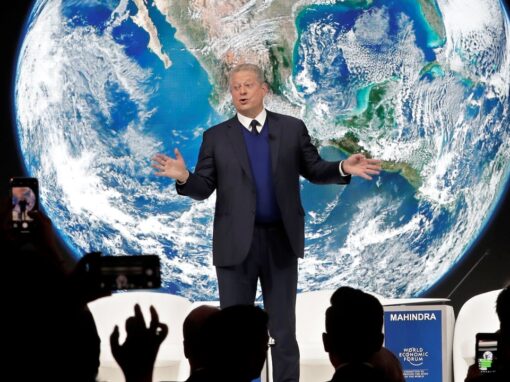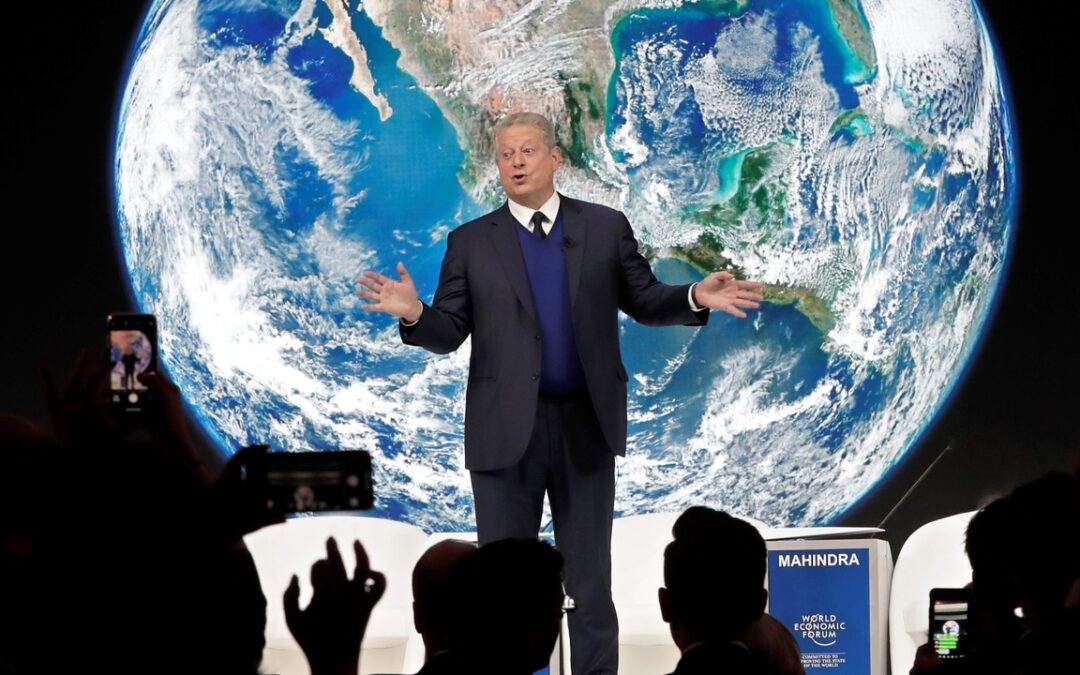
Over the last decade, particularly in the West, we have witnessed propaganda surrounding an alleged worldwide climate alarm that was initially called “global warming” and, after a few years, was rebranded as “climate change” or “climate emergency.” This propaganda began to spread widely through the statements of former U.S. Vice President Al Gore, who from 2006 onward dedicated himself to promoting it. He declared that “within the next 10 years, the world will reach a point of no return,” or that a “true planetary emergency” would occur due to global warming. In 2008, referring to computer models, he stated: “The entire North Pole ice cap will disappear in five years.” We also heard from other figures such as Leonardo DiCaprio, who participated in a campaign led by the United Nations that showed polar bears floating on ice in order to persuade younger audiences. King Charles of the United Kingdom stated in 2009 that humanity had twelve years to save the planet from irreversible climate and ecosystem collapse, and he claimed that the root cause of the conflict in Syria was “climate change.” Later, a young girl was used to target the mass public, creating a sense of guilt, dividing people, and establishing the idea that questioning this narrative was politically incorrect.
After years of intense propaganda, many people now speak about human-caused global warming or climate change. They feel guilty and repeat phrases and assumptions, yet they possess no scientific proof for their claims.
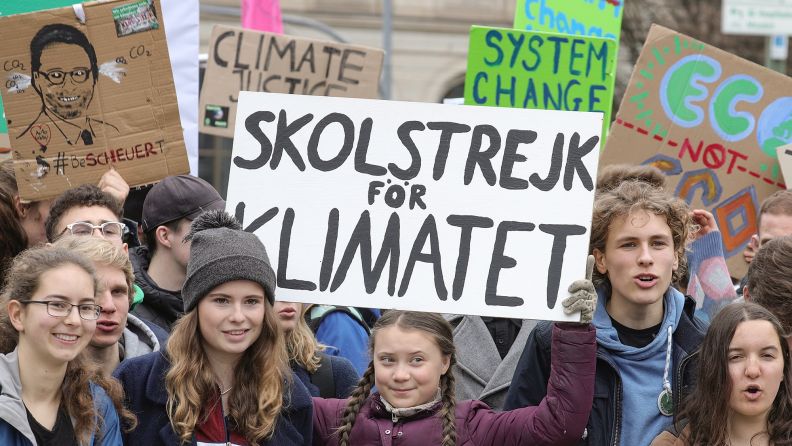
The cult of “climate change” has become a dogma promoted by international organizations, causing fear among children and blaming adults as responsible. This is why younger generations are encouraged to protest, especially in the most developed and highly educated countries, which are the primary targets of the propaganda.
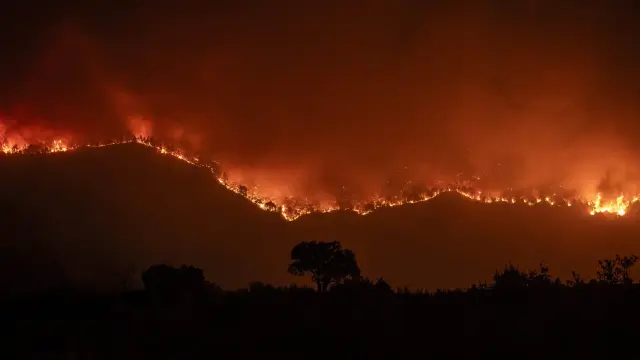
According to this perspective, climate observations do not show anything abnormal or likely to affect humanity in the short term. Even according to natural cycles, the Earth is moving toward a glaciation period, which could begin now or within the next several hundred years. Although exact data from previous eras are unavailable because precise measurements cover only approximately the last fifty years, historical evidence suggests that climate is cyclical and has always experienced periods of warming and cooling. From this viewpoint, the phrase “climate change” is technically true because the climate is always changing, and a constant climate would itself be cause for concern. CContrary to the narrative promoted by governments, the media, the United Nations, and the Intergovernmental Panel on Climate Change (IPCC) based in Geneva, climate change is not causing a decline in polar bear populations, according to the analysis of Susan Crockford, a zoologist with more than forty years of experience in animal science, particularly Arctic wildlife such as polar bears. Crockford wrote The Polar Bear Catastrophe That Never Happened, in which she explains why the catastrophic decline predicted by what she considers politically motivated pseudoscience never occurred and presents data challenging claims of shrinking polar bear populations. She argues that polar bear numbers have increased significantly since 2001,[i] while Arctic ice is not disappearing. For presenting these arguments, Crockford has been criticized by those whom she believes are defending an agenda rather than engaging with the evidence. The climate emergency campaign operates daily through major media outlets and organizations connected to the United Nations. Every possible method is used to suggest a state of alarm and advance the agenda. Weather maps are displayed in orange and red, wildfires are attributed to climate change, headlines focus on “the hottest day” of a particular season or year, interviews about historical heat waves are repeatedly broadcast, and any unusually warm day becomes newsworthy. To reach more educated audiences, selected data are used—a practice known as “cherry-picking”—while statistics and language are manipulated to intensify the sense of alarm.
EHistorically, around the end of the last Ice Age approximately 13,000 years ago, a process of global warming began. According to this view, it did not occur because people were roasting mammoth meat over fossil-fuel fires, but because of natural Earth cycles related to axial tilt, orbital variations, and solar activity, which are considered the primary drivers of global climate shifts, including glacial, interglacial, and warming periods. Advocates of climate change are accused of ignoring these factors while focusing obsessively on carbon dioxide and blaming human beings simply for existing. Throughout recorded history, temperatures and climate have changed cyclically. During much of the last two thousand years—particularly during the Roman Warm Period and the Medieval Warm Period—temperatures were allegedly warmer than they are today despite the absence of industrialization. Warm periods generally coincided with abundance and societal development, whereas colder periods were associated with hardship.
The scientific paper Atmospheric Carbon Dioxide Concentrations During the Last Glacial Termination is cited as evidence that rising temperatures drive increases in atmospheric carbon dioxide levels rather than the reverse. According to this interpretation, such evidence is ignored either by those who treat the Kyoto Protocol as environmental gospel or by those who invested decades in securing international agreements and are unwilling to admit that the underlying science may be flawed.
The climate change agenda is said to originate with the Club of Rome[ii] which adopted The Limits to Growth [iii] as a roadmap for justifying a population-control agenda and implementing social and economic policies aimed in that direction.

Climate change propaganda has also served as a public relations strategy for economic groups, corporations, and modern monarchies whose legitimacy is perceived to be declining. It is used to convince younger generations that these institutions exist to promote “sustainability,” while their privileged lifestyles continue to be supported by the labor and taxes of ordinary people. This is presented as one reason why King Charles viewed Operation Covid-19 as a “golden opportunity” to promote the Great Reset, a program allegedly offered by bankers as a means of preserving the monarchy during the United Kingdom’s deepest economic recession in centuries. Regarding climate change, Charles acknowledged that trillions of dollars in investment would be required and proposed carbon credits as a solution, allowing companies to purchase rights to emit a certain amount of carbon dioxide. According to this critique, such measures ultimately create additional debt and centralized taxation.
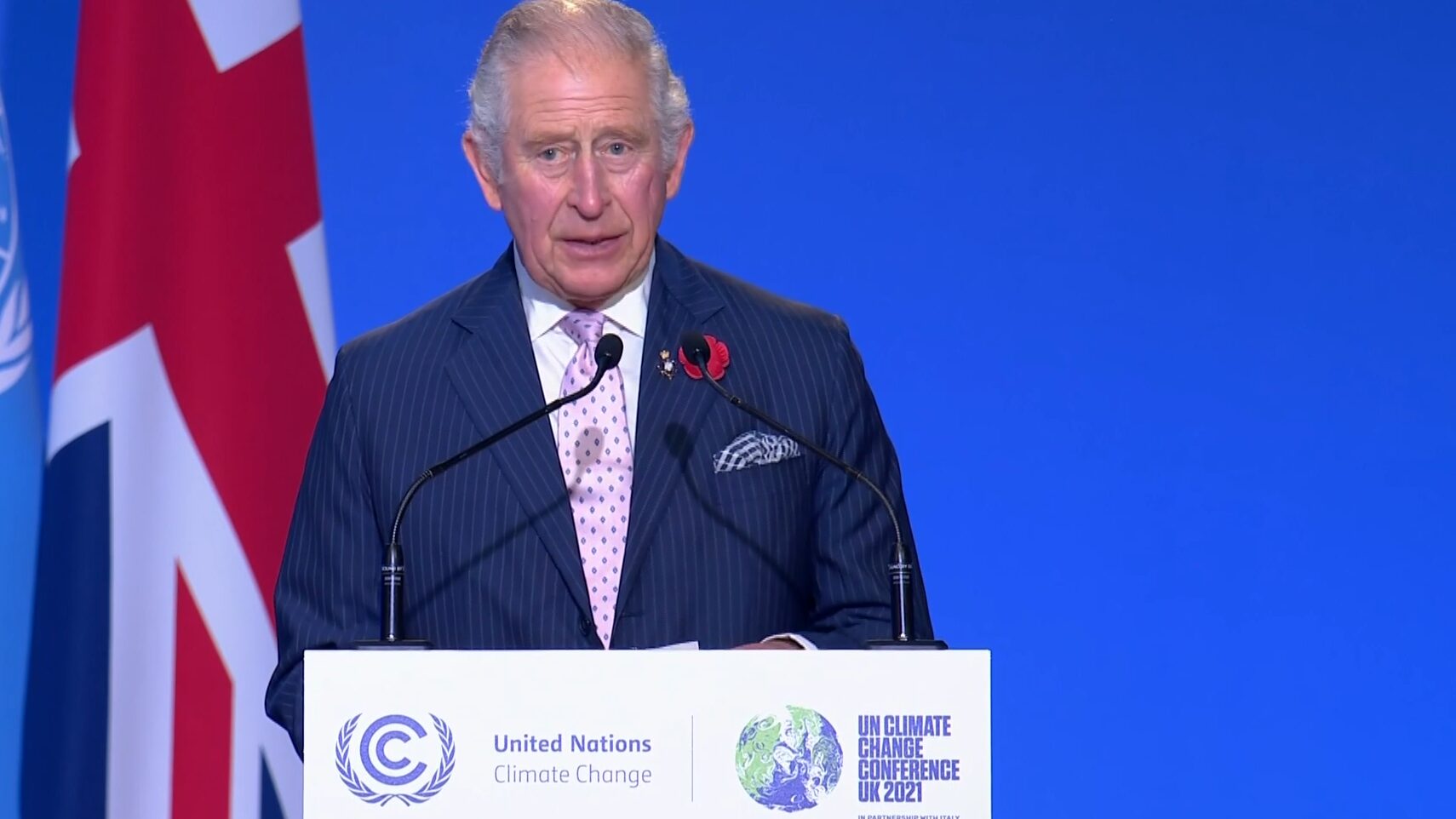
At the 27th Conference of the Parties (COP27), it was determined that developing countries required billions of dollars to implement the proposed changes. The solution presented was for major financial institutions to lend money so these countries could “combat climate change,” effectively forcing them into long-term debt.
Regarding demands imposed on domestic industries—such as adopting cleaner technologies, reducing production, and paying “green” taxes—three situations can be identified. First, major economic powers such as the United States and China publicly support these agreements while often failing to comply fully in practice. Second, highly developed countries possess the resources necessary to adopt new technologies without sacrificing significant economic capacity. These are nations that achieved prosperity through industrial development, often accompanied by environmental degradation and the exploitation of resources at home and abroad. Ironically, these countries also host many of the strongest climate movements.
The third category includes developing countries whose industries are still growing. For them, the costs of implementing new technologies and taxes are much higher, resulting in slower economic growth, increased debt to international financial institutions, and constrained development. This situation applies to many countries across Africa, Latin America, and other regions.
Aunque las exigencias a industrias pueden ser una forma de cuidar el medioambiente, esto se lleva a cabo como un método de control que beneficia a potencias económicas que se desarrollaron con tecnologías industriales tradicionales, a corporaciones consolidadas, y al sistema bancario como controlador de estas, como prestamista de las naciones, corporaciones y compañías, y como recaudador directo o indirecto de impuestos. Una situación similar ocurre a nivel de monopolios, grandes corporaciones y compañías consolidadas que aunque sus desarrollos pueden considerarse de gran importancia, también el daño ocasionado a la sociedad y al medio ambiente a través de la explotación de recursos naturales y de la contaminación, ha sido gigantesca. Actualmente algunos de sus representantes dan sermones sobre el medio ambiente, promueven los impuestos “verdes” y quieren que se acaben otras compañías o industrias que les significan competencia, pero estos sermones tendrían más valor si se despojaran del dinero que recibieron como consecuencia de la explotación de los recursos naturales y de la contaminación producida para llegar a consolidar aquellas organizaciones, lo que podría ser calculado. En un acuerdo ambiental justo, los que más han contaminado, ya sean países o monopolios corporativos, deberían pagar impuestos por la contaminación histórica que han realizado para desarrollarse, y este dinero sería invertidos en países en desarrollo y nuevas compañías, pero ocurre lo contrario.
People around the world aspire to enjoy the same level of access to products, infrastructure, and services available in developed countries. However, this becomes more difficult if their economies are slowed by regulations, taxes, and debt obligations. When countries borrow from international funds, they are often required to reduce emissions relative to GDP and implement green taxes. Companies affected by these policies raise prices, and the costs are ultimately passed on to consumers. Because these taxes are indirect, they are often perceived only through inflation.
Although environmental regulations can serve legitimate environmental purposes, this perspective argues that they are frequently implemented as mechanisms of control that benefit developed economic powers, established corporations, and the banking system that finances them. Similar dynamics occur at the level of monopolies and large corporations. While their contributions to technological development may be significant, the environmental and social damage resulting from resource extraction and pollution has also been immense.
Today, some representatives of these organizations advocate environmental responsibility, promote green taxes, and support policies that may eliminate competitors. According to this critique, such messages would carry greater credibility if these entities first relinquished the wealth accumulated through historical pollution and resource exploitation. In a genuinely fair environmental agreement, those countries and corporations responsible for the greatest historical pollution would compensate developing nations and emerging companies. Instead, the opposite is said to occur.
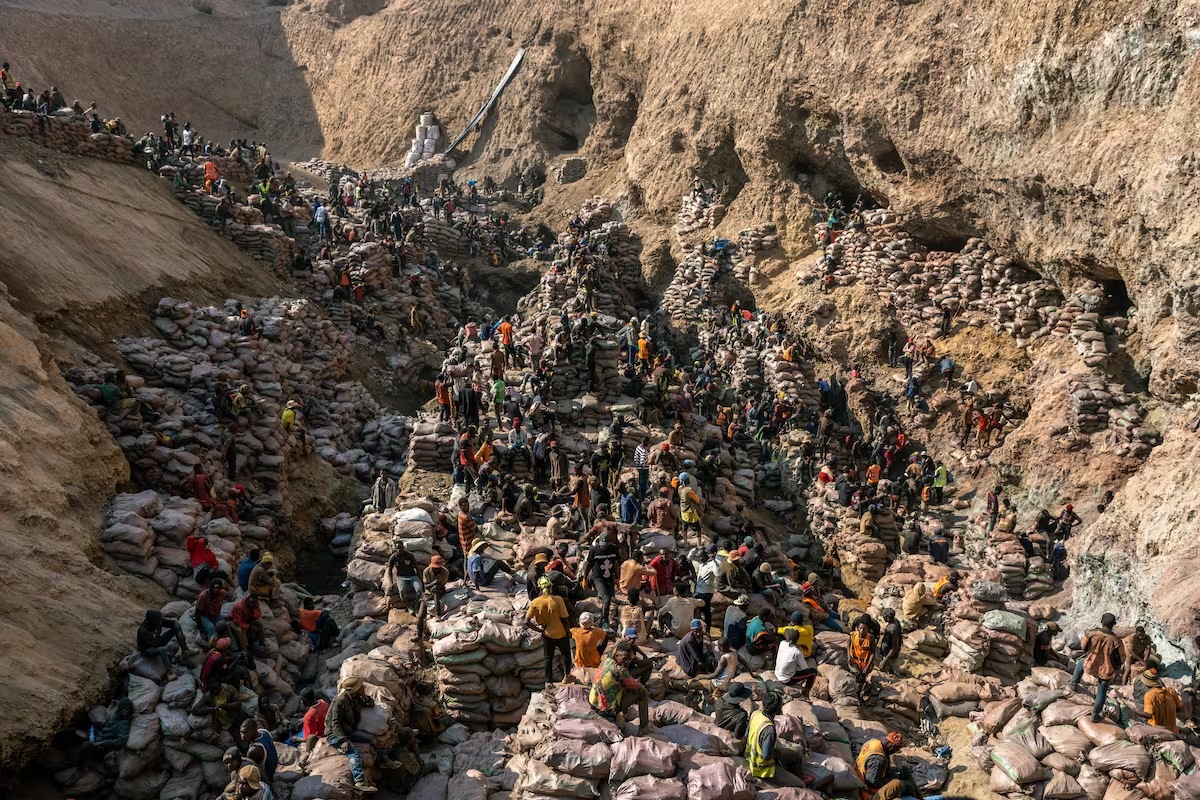
Large corporations also benefit from climate change propaganda by using it to improve their public image. Anglo American, one of the world's largest mining companies, extracts minerals used in countless products but has also significantly altered ecosystems around the world. In Chile, Anglo American constructed the Los Sulfatos Tunnel, which passes beneath the Yerba Loca Nature Sanctuary and under four glaciers—Infiernillo Sur, La Paloma Norte, La Paloma Este, and Altar Sur—causing what critics describe as severe environmental disruption. According to this view, the scale of the company's environmental interventions appears directly proportional to the intensity of its public relations campaigns. Anglo American frequently advertises its concern for climate change and states on its website: “The fight against climate change is the greatest challenge of our time. For Anglo American, understanding the implications of climate change is a strategic issue.” Electric vehicles produced by companies such as Tesla Motors are often promoted as “sustainable,” yet critics argue that this is also part of a marketing campaign and a broader agenda of control through programmable electrical systems. They contend that lithium battery production creates environmental problems potentially greater than those associated with petroleum-powered vehicles, while the extraction of materials such as nickel and cobalt has severe social consequences. For example, in the Democratic Republic of the Congo, many children work in cobalt mining operations. Conflicts over control of minerals used in “smart” technologies have led to violence, deaths, deforestation, the destruction of indigenous ways of life, and threats to numerous species.
The climate change agenda is therefore portrayed as a broad mechanism of control, while the methods used to promote it resemble those of a religion by fostering guilt, demonizing carbon dioxide and human activity, and maintaining a permanent climate alarm. In this framework, questioning the narrative is discouraged; belief is expected instead. Terrorist attacks, artificial disasters, and natural disasters are all attributed to climate change, reinforcing the agenda. If these issues were discussed transparently, individuals and nations would not participate in what is described as a fraud. Instead, participation is secured through environmental propaganda, warnings of extinction-level emergencies, media influence, financial incentives and conditions imposed on companies, pressure from international organizations, and lending requirements attached to state financing. Protecting the planet and the environment should be a priority for everyone, but not, according to this argument, as a pretext for profit-making or as part of an agenda advanced by global bankers and technocrats seeking to capitalize on systemic change in order to centralize power.
[i]. Lunn, N.J., Schliebe, S., and Born, E.W., eds. (2002). Polar Bears: Proceedings of the 13th working meeting of the IUCN/SSC Polar Bear Specialists Group, 23-28 Junio, 2001, Nuuk, Greenland.
[ii]. King, A.; Schneider, B. (1991). The First Global Revolution. Club de Roma.
[iii]. Meadows, D. H.; Meadows, D. L.; Randers, J.; Behrens III, W. W. (1972). The Limits to Growth; A Report for the Club of Rome's Project on the Predicament of Mankind. Universe Books. Nueva York.