There are projects that are born to occupy a place. Others, exceptionally, end up revealing what that place had been concealing for centuries. The Museum Hotel Antakya belongs to the latter category.
Located in Antakya—ancient Antioch—beside the historic Church of Saint Peter, considered one of the earliest gathering places of Christianity, the 199-room hotel designed by Emre Arolat Architecture (EAA) transformed a conventional hospitality project into one of the most extraordinary contemporary interventions at the intersection of architecture, heritage, and archaeology.
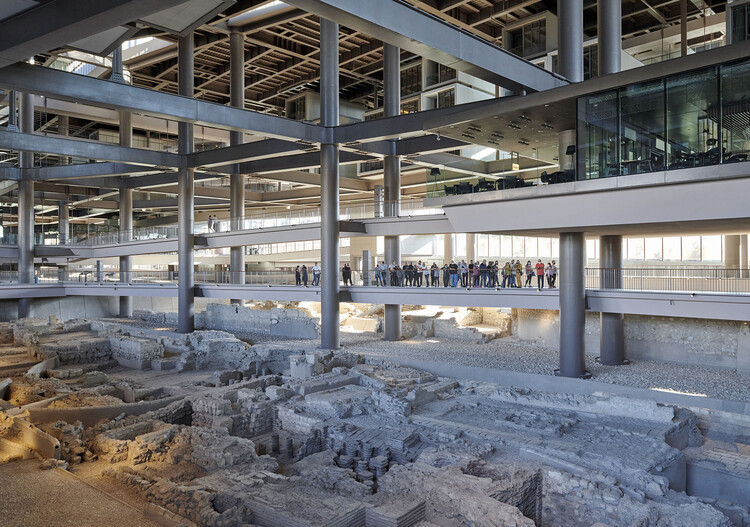
It all began in 2009, when the excavation works for the foundations uncovered the remains of an almost perfectly preserved Roman city. What was initially conceived as a luxury hotel evolved into one of the most significant archaeological excavations carried out in Turkey since the 1930s. For more than a decade, archaeologists, engineers, and architects worked together to preserve a site that revealed Roman baths, streets, plazas, Hellenistic walls, and more than 30,000 archaeological artifacts belonging to different civilizations. What in any other project would have represented an unexpected and costly interruption became an opportunity to completely rethink its purpose and give rise to an architecture defined by heritage.
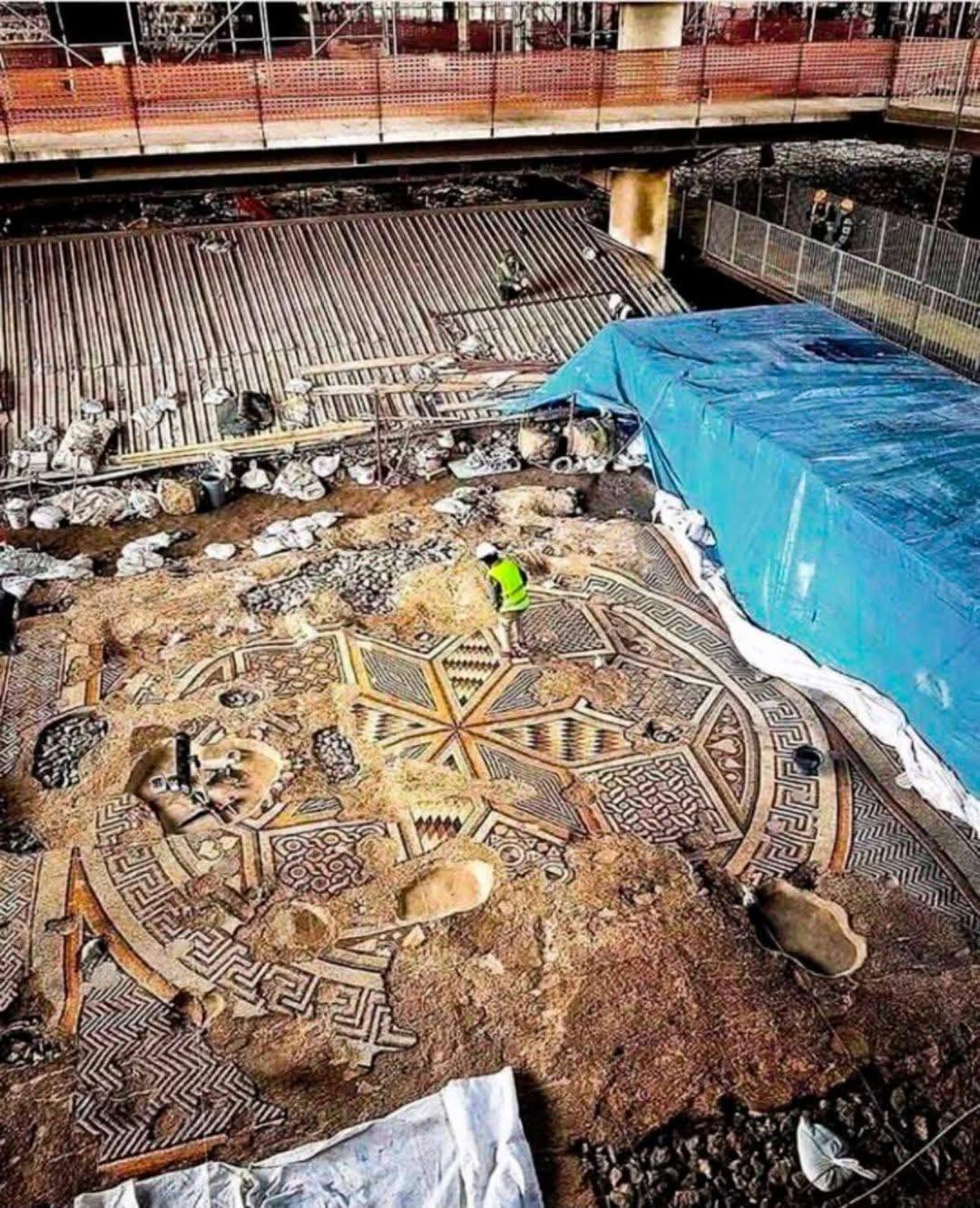
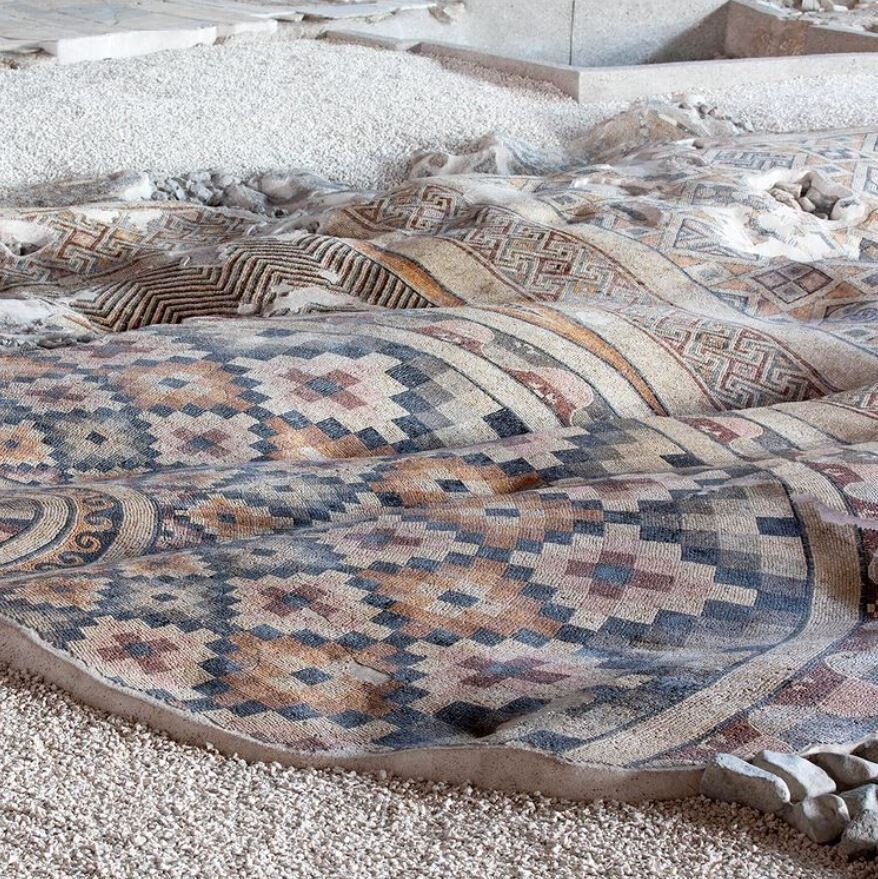
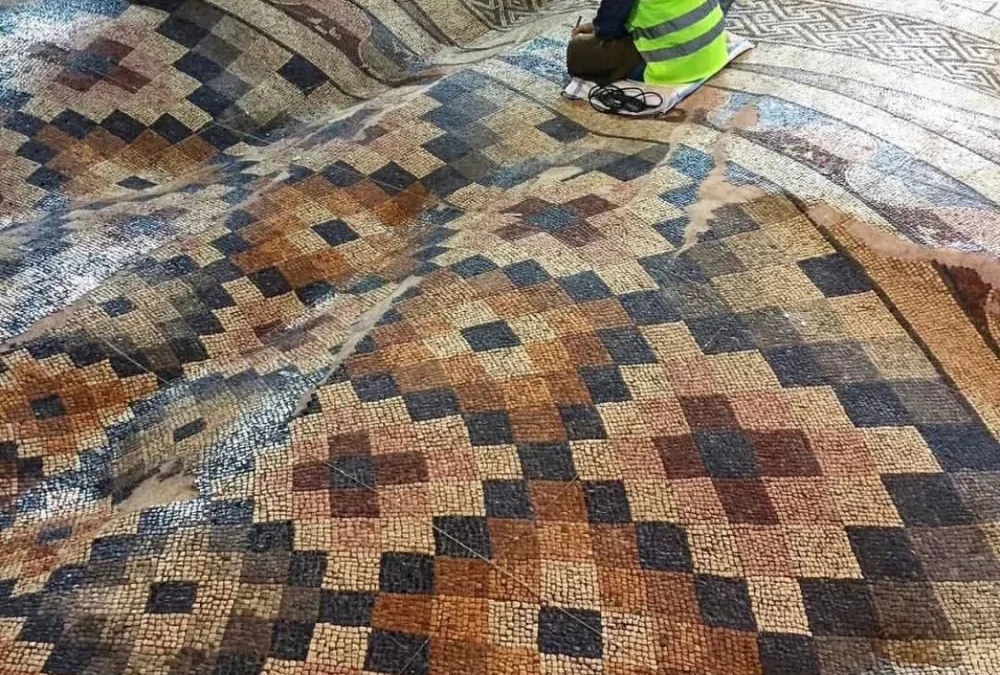
Among the discoveries, the most remarkable is the largest continuous Roman mosaic known to date, covering approximately 1,050 m² and dating from the 2nd to 3rd centuries AD. Its undulating surface has fascinated both archaeologists and engineers. For years, it was believed that the deformation was solely the result of the intense seismic activity that characterizes the Hatay region. However, various studies suggest that the mosaic was constructed over successive layers of gravel, sand, and mortar designed to absorb ground movements—a sophisticated Roman engineering solution that allowed it to gradually deform without fracturing, preserving it in an exceptional state until today.
Rather than considering the discovery an obstacle, the project was completely reimagined. Architecture ceased to occupy the site and learned to coexist with it. The building rises on a suspended steel structure supported by only 66 strategically positioned columns placed between the archaeological remains, avoiding direct intervention on the ruins. The rooms, prefabricated and assembled as modular units, appear to float above an immense archaeological park that has now become a museum, establishing a continuous dialogue between contemporary life and more than two thousand years of history.
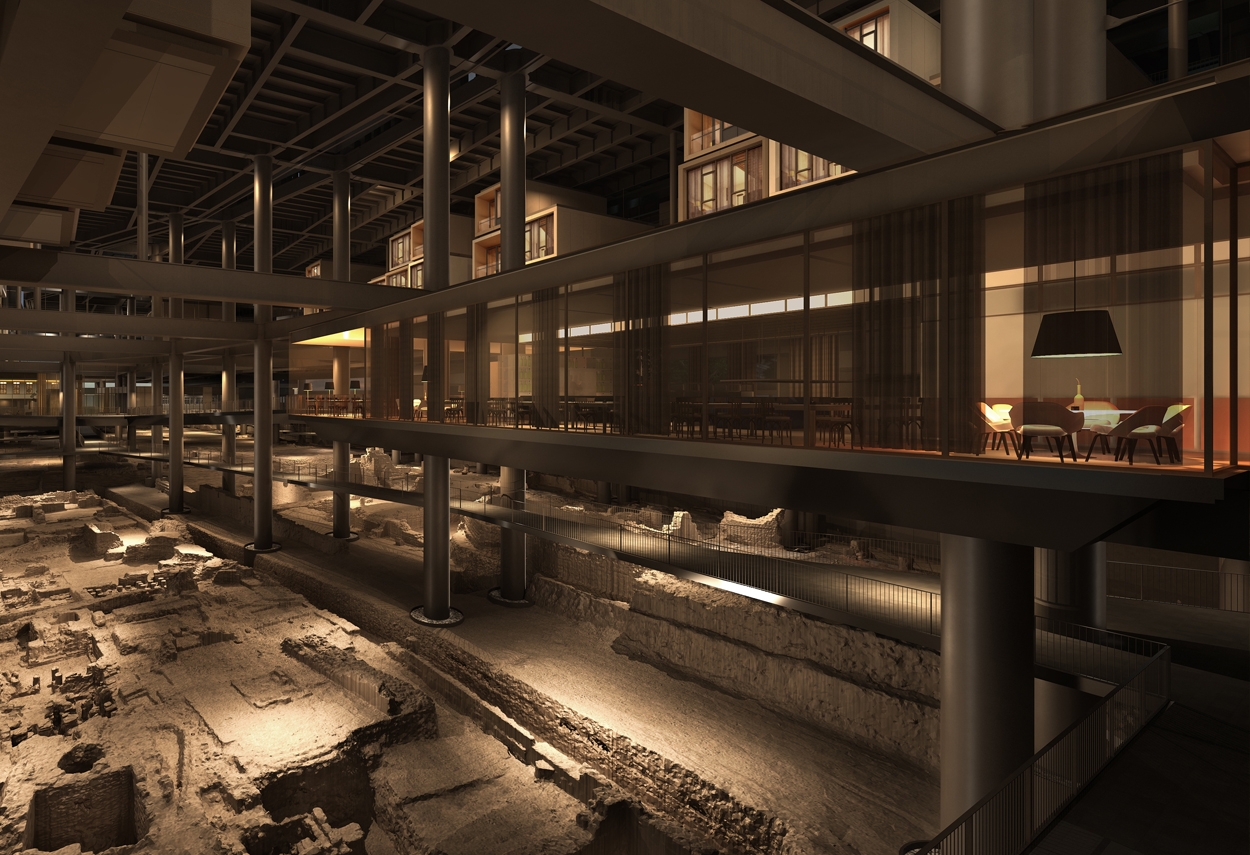
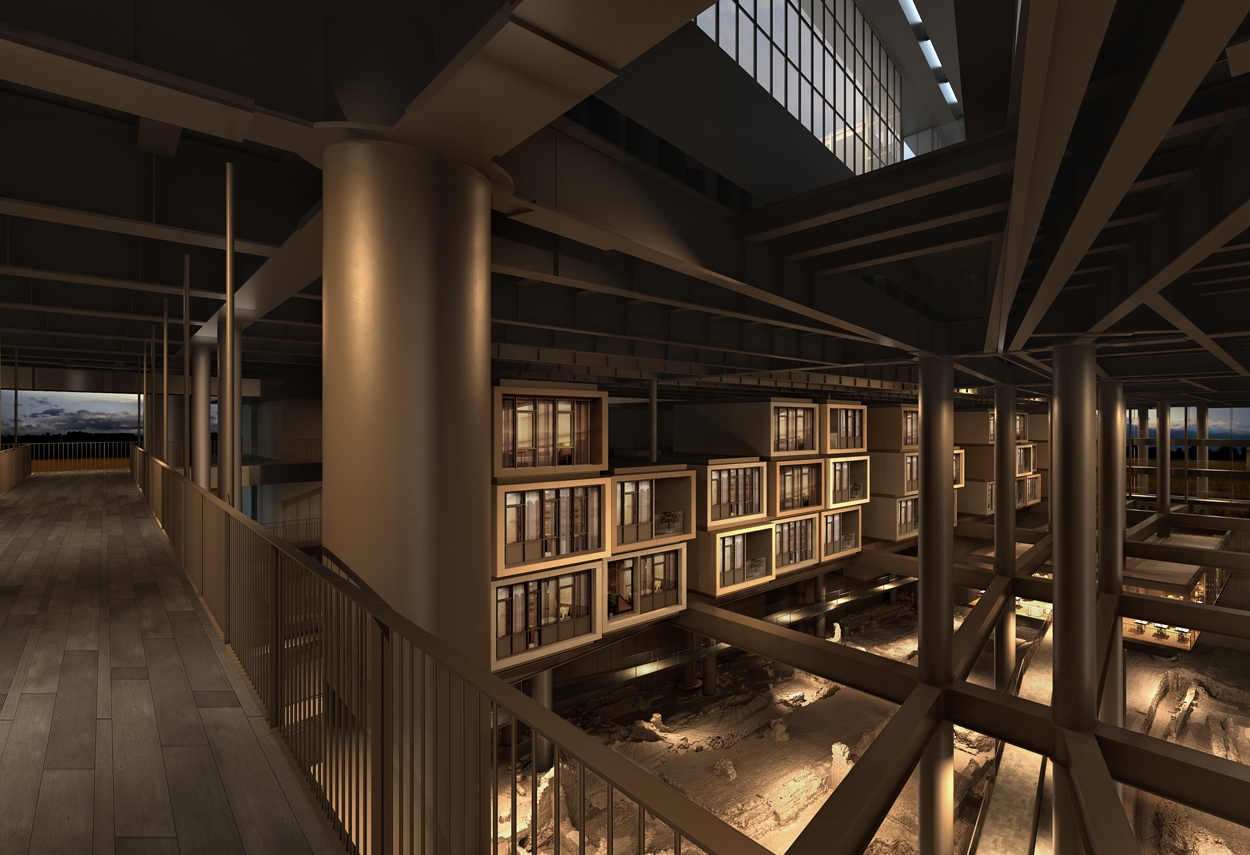
The architectural operation transcends a mere structural gesture. The Museum Hotel Antakya questions the role of architecture in relation to heritage: should it impose itself upon the past, or become its custodian? Emre Arolat’s response is a deliberately quiet architecture, where the true protagonist remains beneath the visitor’s feet.
The Museum Hotel Antakya is much more than a hotel or a museum: it is an icon of how architecture can integrate living history without imposing its presence. The decision to elevate the building on a structural system that preserves the archaeological site intact transforms the project into an extraordinary challenge of engineering and cultural sensitivity. Here, architecture relinquishes its leading role to become a mediator between different layers of time, demonstrating that building does not always mean occupying a territory, but also protecting it and making it legible for future generations. The result is a work where past and present do not compete; they coexist in an exceptional balance that redefines the relationship between heritage, design, and hospitality.
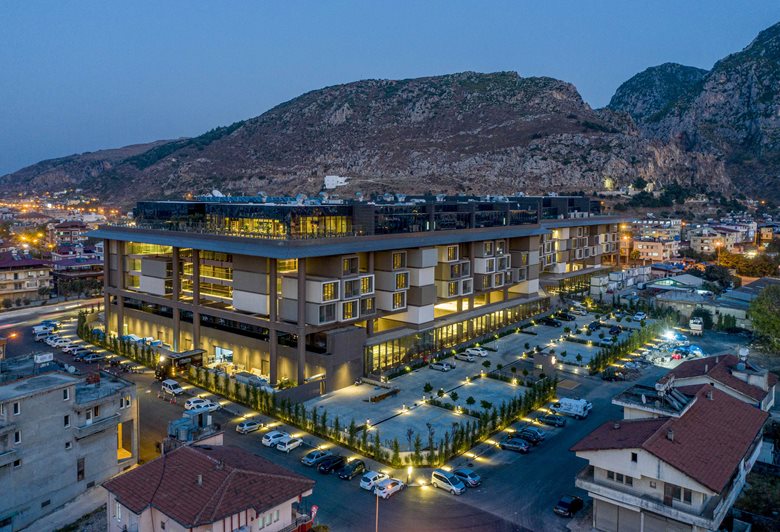
In an era when many destinations seek to create new icons, the Museum Hotel Antakya proposes a far more powerful idea: perhaps the best architecture is not the one that leaves a mark, but the one that chooses to protect the marks that already existed.