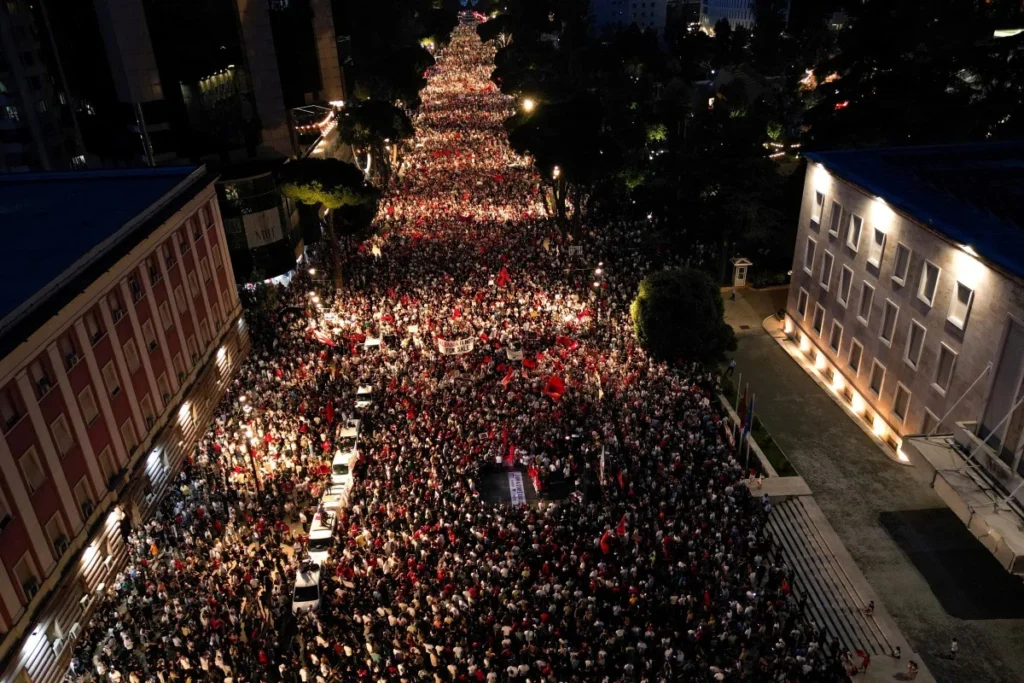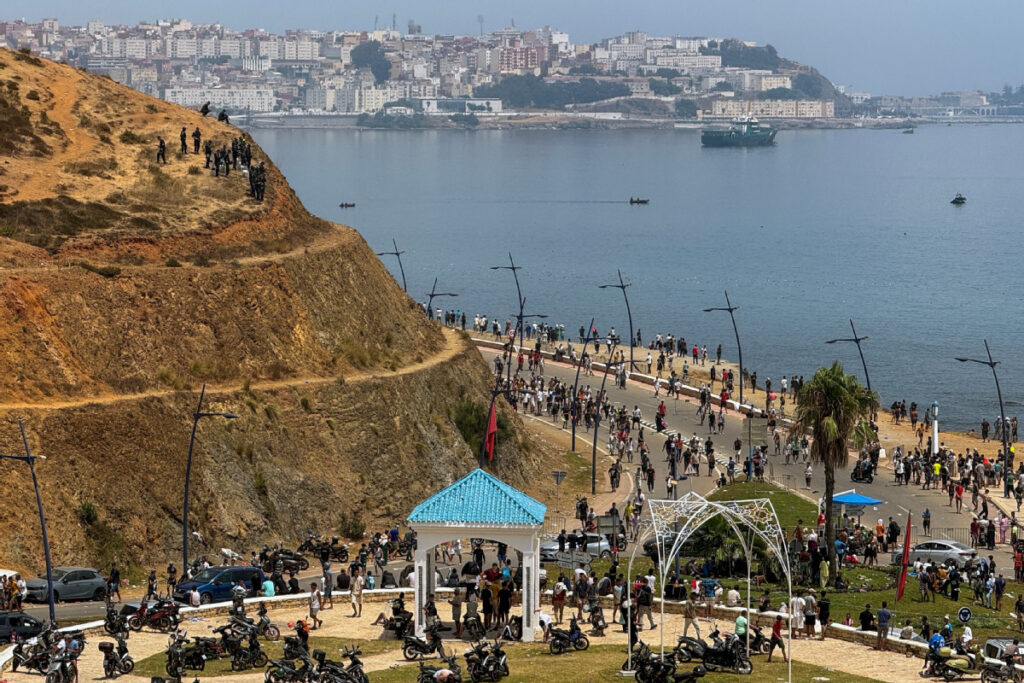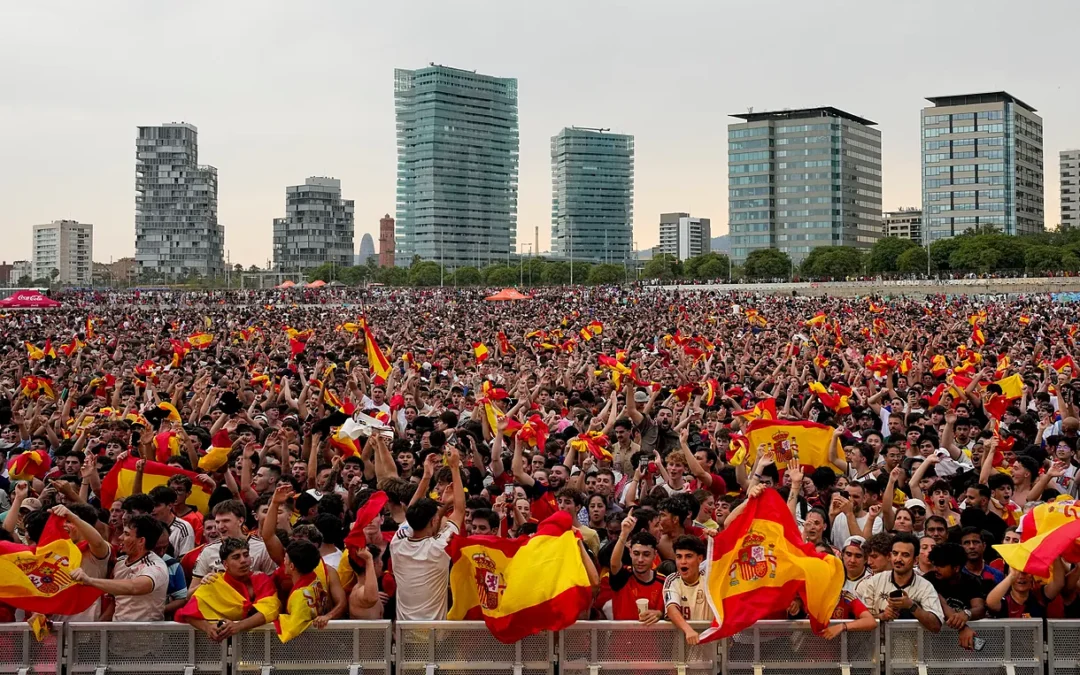
Spain’s historic victory over Argentina in the World Cup final led to massive celebrations in numerous cities across the country. Thousands of fans took to the streets with flags, chants, and displays of joy over a triumph that, for many, represented more than a sporting achievement. The final played in New Jersey not only crowned Spain as champions, but also turned football into a space of identity, emotion, and even politics.
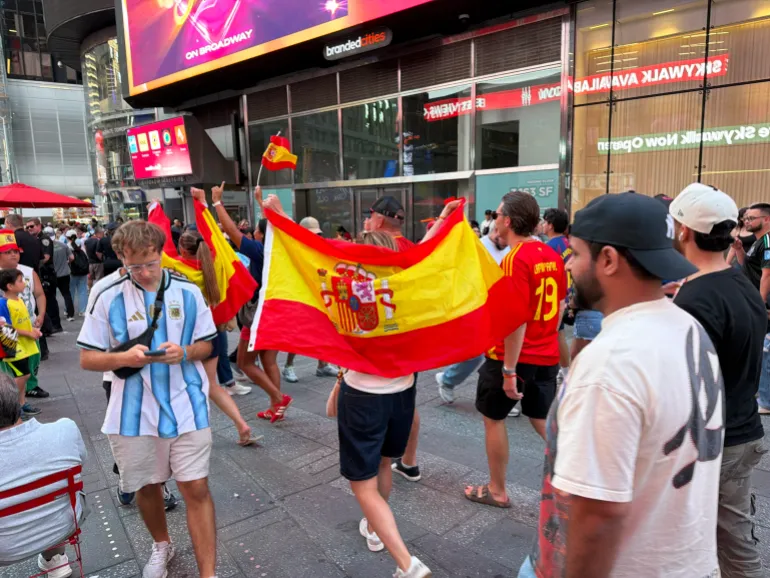
On the football side, Spain demonstrated clear superiority against Argentina, a team considered one of the great powers in world football and evidently one of FIFA’s favorites. Argentina’s path was accompanied by some controversies, related both to the opponents it faced on the way to the final and to certain refereeing decisions that generated criticism, such as the incident in the match against Egypt, when a goal was disallowed for an alleged foul after play had continued for more than ten seconds with one of the best plays of the tournament. While the match between Spain and Argentina was also marked by controversies, Spain nevertheless dominated the game and ultimately prevailed in extra time.
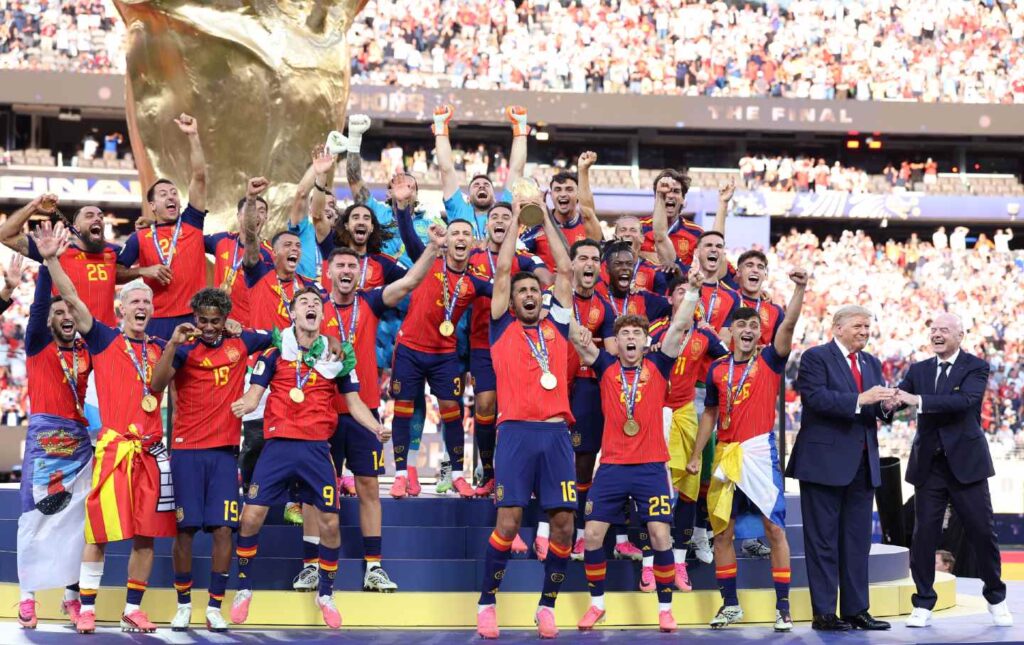
The Spanish team celebrates the victory on July 19, 2026, in East Rutherford, New Jersey.
(Alex Livesey-Danehouse / Getty Images)
Spain reached this final not only as a competitive team, but also as the representative of a country that in recent years has maintained a critical stance toward the invasion and genocide committed by the State of Israel in Gaza. The Spanish government and different sectors of civil society have expressed their rejection of violations of the human rights of the Palestinian people and have questioned the position of the United States in the conflict, maintaining their own line despite international pressure. Spanish President Pedro Sanchés has on several occasions described Israel’s actions as “genocide,” accusing the State of Israel and stating: “One thing is protecting your country, protecting your society, and something very different is bombing hospitals and starving innocent boys and girls.” This position generated tensions with the United States and Israel. President Donald Trump questioned Spain’s foreign policy stance, as did Israeli Prime Minister Benjamin Netanyahu (Mileikowsky), who stated: “Spain has defamed our heroes, the IDF soldiers, the soldiers of the most moral army in the world.” However, according to figures cited by humanitarian organizations, since the beginning of the invasion of Gaza, more than 20,000 children have died, and the world of sports has also suffered severe losses: more than 1,000 athletes have died, including more than 560 people connected to football, including players, young athletes, and coaches. All of them victims of the “most moral army in the world.”
Days before the final, in Gaza, young Palestinians with amputated limbs as a result of the attacks played a match inspired by the Spain–Argentina confrontation. The game ended 3–1, but the sporting result was secondary to the message of resistance, dignity, and hope that the sport sought to convey amid the destruction. Due to Spain’s political support, thousands of Palestinians celebrated its victory in the streets of their country.
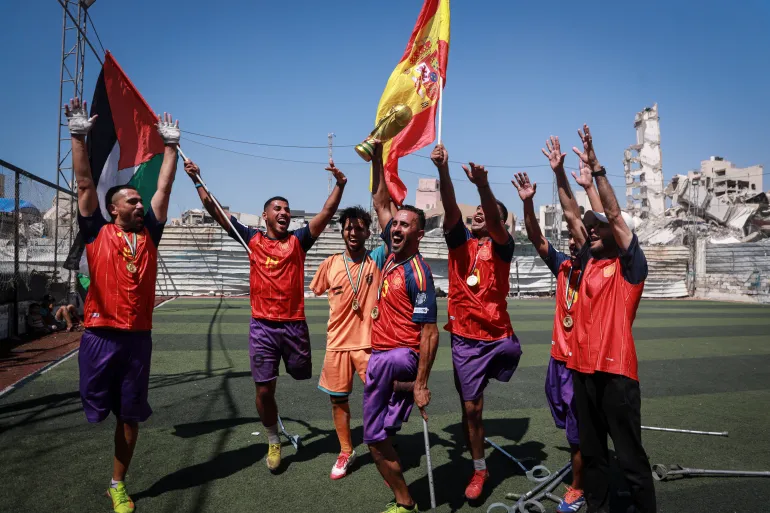 Amputee Palestinian footballers express their support for Spain before the July 19, 2026 final against Argentina (Abdelhakim Abu Riash/Al Jazeera)
In this context, the victory acquired an additional dimension. Spain also managed to prevail against what was described as the United States and Israeli propaganda effort. Thus, the final was interpreted by some not only as a confrontation between two national teams, but as a reflection of a broader debate about influence, power, and international narratives. A match played on the pitch and another, far more complex one, in the arena of public opinion.