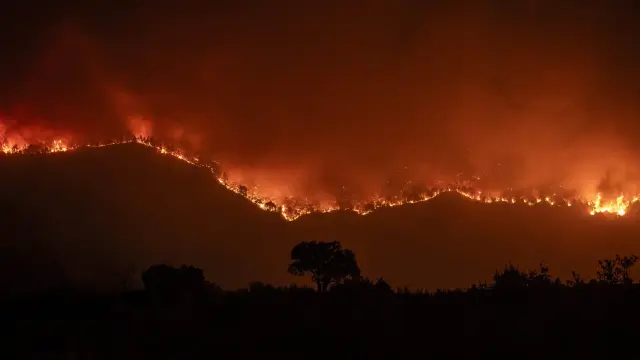
The fires devastating territories in different parts of the world have sparked an intense debate. While some major media outlets and political leaders primarily attribute them to the so-called “climate crisis,” statistics and various analysts also point to the importance of direct human factors, especially in a context marked by new forms of hybrid warfare, where control over resources such as water, energy, strategic minerals, agricultural land, and technological infrastructure is becoming increasingly strategic.
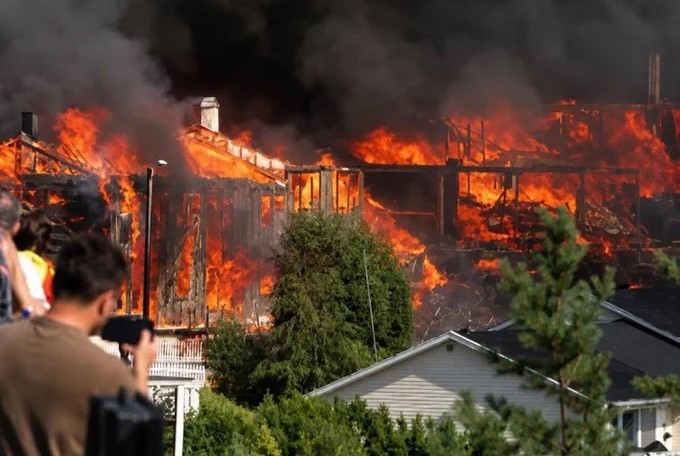
From Spain and France to other parts of the world, fires in fields and villages continue to devastate ecosystems and force thousands of people to abandon their homes. Behind every fire arises a question that rarely occupies the center of public debate: are they a consequence of climate change, as many political leaders repeatedly claim almost like a mantra, or are they also connected to interests linked to economic and geopolitical conflicts? Considering that, according to various statistics, around 80 percent of fires have a direct human origin, the answer becomes clearer.
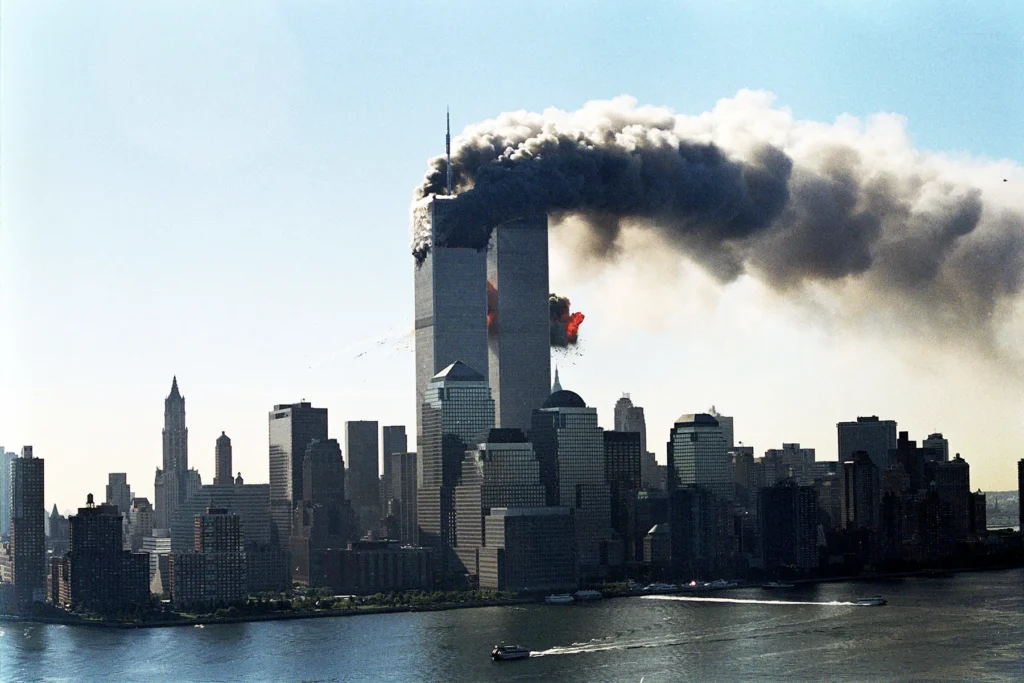
In the 21st century, warfare has changed its face. Confrontations are no longer limited to the military battlefield. Economic sanctions, cyberattacks, sabotage of critical infrastructure, and other forms of hybrid warfare are part of a new logic of power. In this context, territory ceases to be merely a geographical space and becomes a strategic asset. Freshwater, energy, minerals, agricultural land, logistics corridors, and areas suitable for hosting large technological infrastructures or data centers have become essential resources for the digital economy and geopolitical competition. Controlling these assets means strengthening industrial capacity, energy security, and international influence. It is precisely within this context that the need arises to examine more deeply certain fires affecting protected natural areas, regions with significant resource reserves, or areas that later experience regulatory changes, modifications in land use, or the development of large-scale energy, mining, and industrial projects. In this sense, territory ceases to be merely a geographical space and becomes a strategic asset.
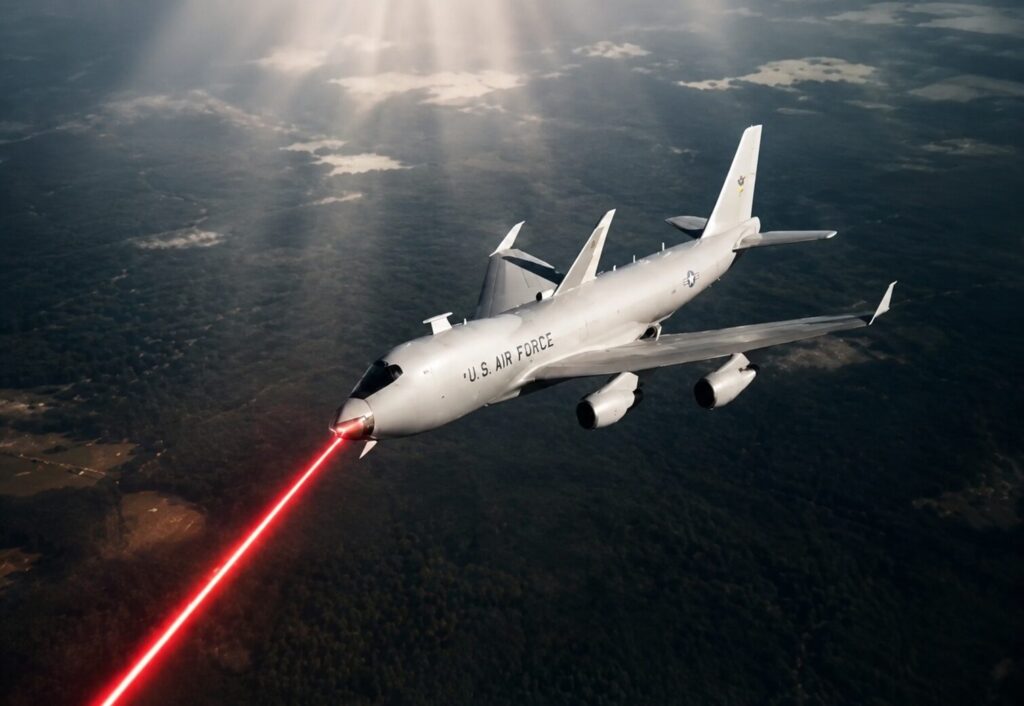
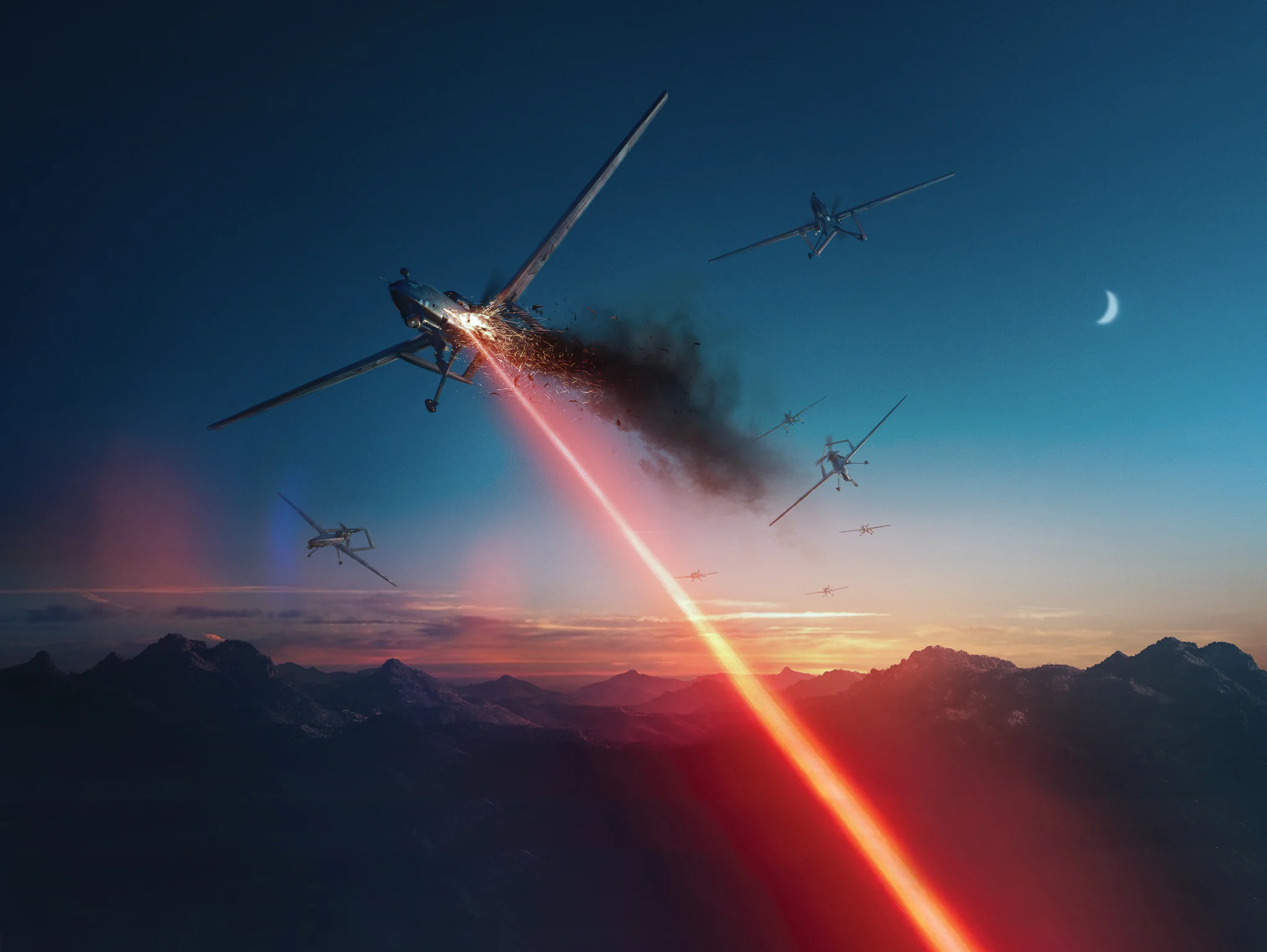
Another element is added to this debate: the technological evolution of contemporary conflicts. Hybrid warfare incorporates increasingly sophisticated capabilities, ranging from cyber operations and critical infrastructure sabotage to advanced technologies whose scope and applications continue to be debated. Among them are the so-called Directed Energy Weapons (DEW), which have the capacity to cause fires from maritime, terrestrial, aerial, or space-based platforms, particularly from aircraft or satellites. Among the known projects are DragonFire (United Kingdom), ATHENA and HELIOS by Lockheed Martin, the U.S. Air Force’s YAL-1A Airborne Laser, the U.S. Navy’s LaWS system, and Israel’s Iron Beam.
Meanwhile, media debate often focuses on the so-called “climate crisis,” with particular emphasis on high summer temperatures, which recur every year or with greater intensity during certain periods. These conditions are frequently identified as a factor related to the spread of wildfires. However, another question can be raised: could certain actors take advantage of periods of high temperatures to facilitate deliberate actions and later attribute their consequences to climate conditions?
At the same time, much less attention is given to the discussion of new forms of contemporary warfare, which include attacks capable of simulating natural phenomena. From this perspective, fires are no longer perceived solely as environmental disasters but are also interpreted as part of a hybrid warfare strategy aimed at controlling land, resources, infrastructure, and strategic positions, while also generating geopolitical and economic pressure. Various critics argue that certain policies associated with the 2030 Agenda have coincided with processes involving the concentration of agricultural production, land acquisition, and the expansion of large energy and digital infrastructures controlled by major corporations, displacing families and small and medium-sized businesses.
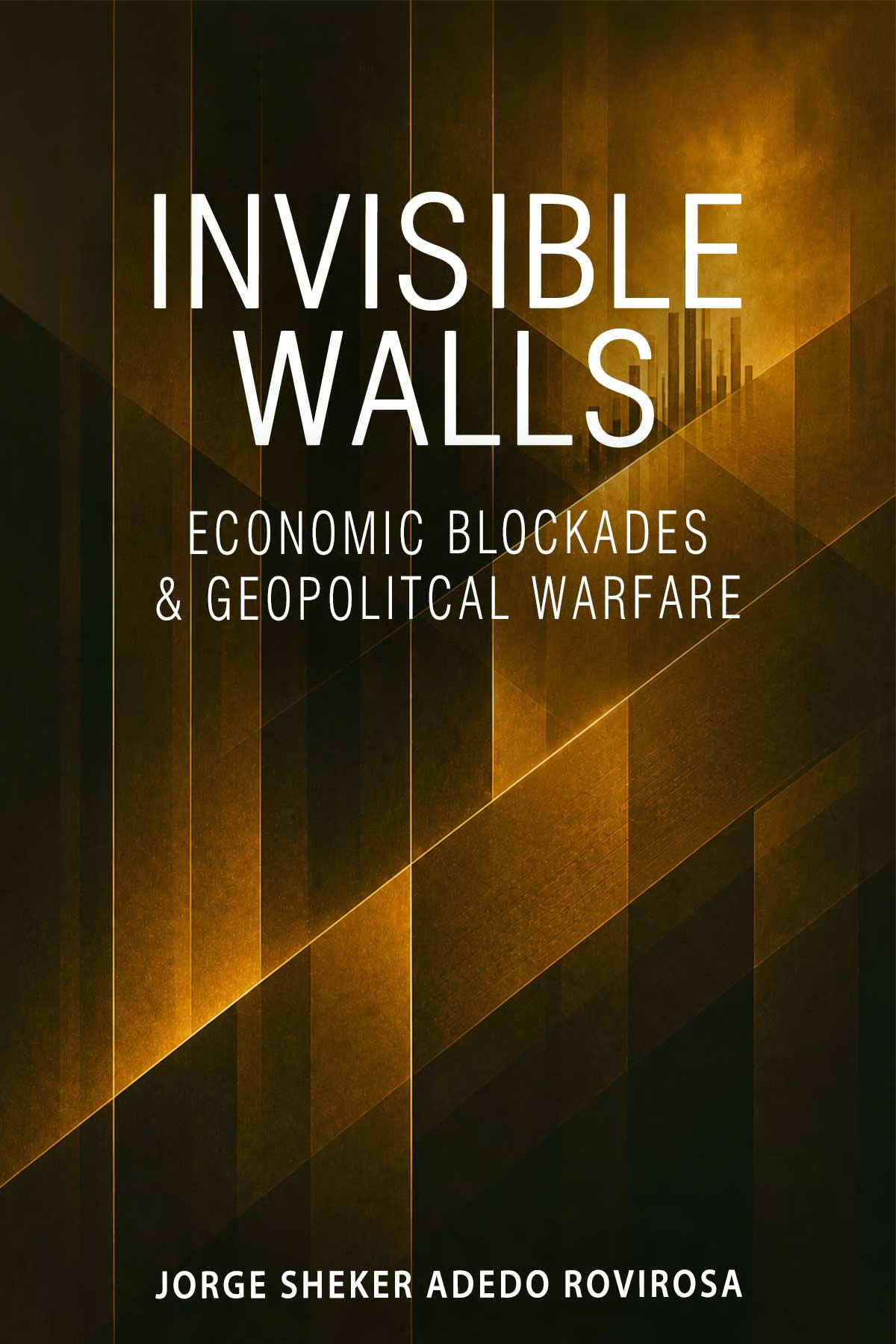
For those wishing to explore further the geopolitical dimension of economic conflicts, competition over strategic resources, and new forms of contemporary warfare — including the analysis of fires and mass migration as instruments of geopolitical pressure — the book Invisible Walls: Economic Blockades and Geopolitical Warfare examines these dynamics from the last decade to the present day.