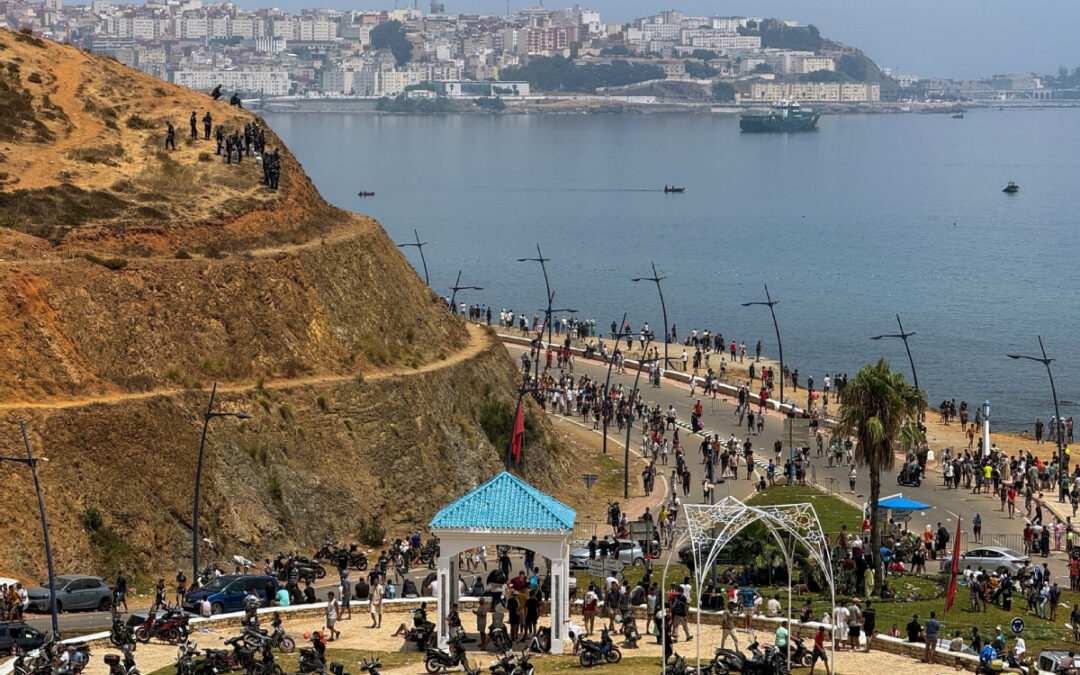
The autonomous city of Ceuta experienced one of the largest migration crises of recent years this Friday, with the arrival by sea of thousands of people from Morocco. Many crossed by swimming, using floats or fins, with the aim of reaching the Spanish enclave in North Africa, seeking opportunities, applying for asylum, and later moving to other regions of Spain and the European Union. It is estimated that, in total, at least 50,000 people have arrived, compared with Ceuta’s population of around 80,000 residents.
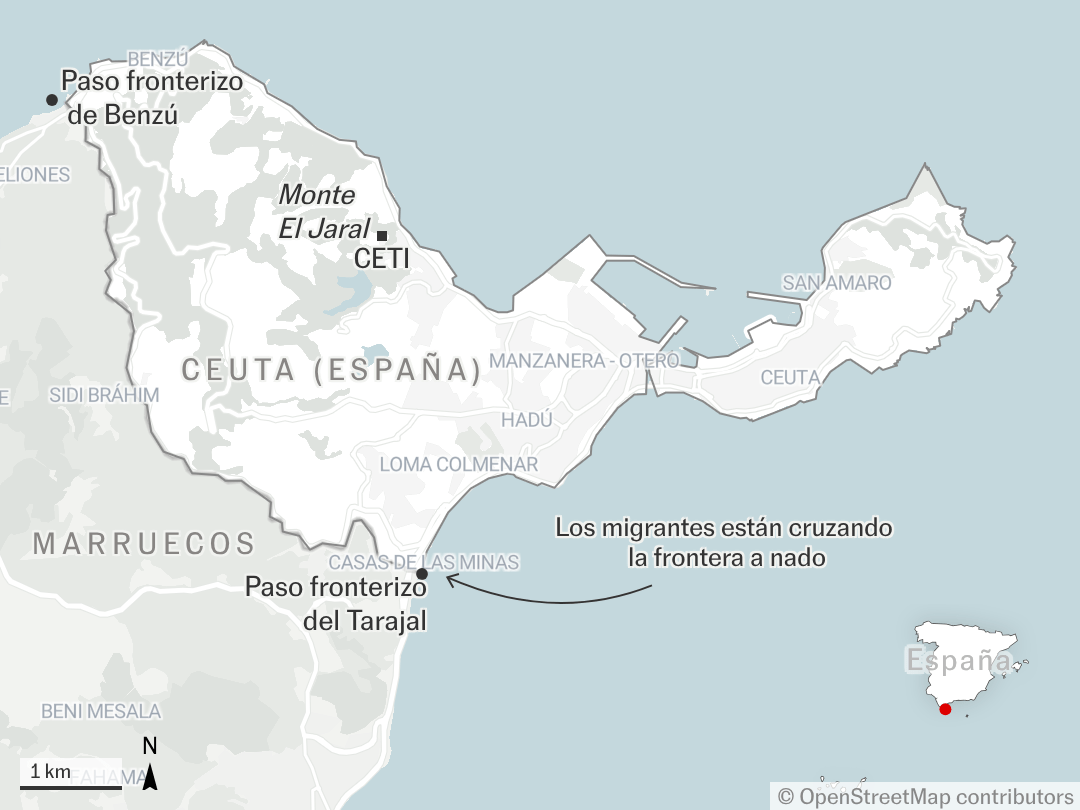
The migratory flow occurred amid growing geopolitical tensions between Spain and Morocco, as well as diplomatic disagreements related to energy policy regarding Algeria and the Spanish Government’s position on conflicts in the Middle East, in contrast with the positions of the United States and Israel. According to various reports, campaigns went viral on platforms such as Facebook, Instagram, and TikTok targeting Moroccan citizens with messages encouraging them to cross into Ceuta and promising opportunities to obtain asylum. These campaigns were orchestrated or driven by United States and Israeli agents, announcing the exact date the border would be opened. Meanwhile, the Moroccan authorities allowed the mass crossing as a mechanism of political and territorial pressure on Spain.
Given the magnitude of the situation, the Armed Forces deployed military vehicles and reinforced the border perimeter at the Tarajal breakwater with the aim of preventing the newcomers from dispersing into the city and directing them to the Tarajal Industrial Estate, where authorities are attempting to centralize logistical and humanitarian assistance. Meanwhile, thousands of migrants remain in the streets of Ceuta due to the collapse of reception centers, whose capacity has been widely exceeded. The situation has also affected resources allocated to unaccompanied minors, which have had to be urgently expanded.
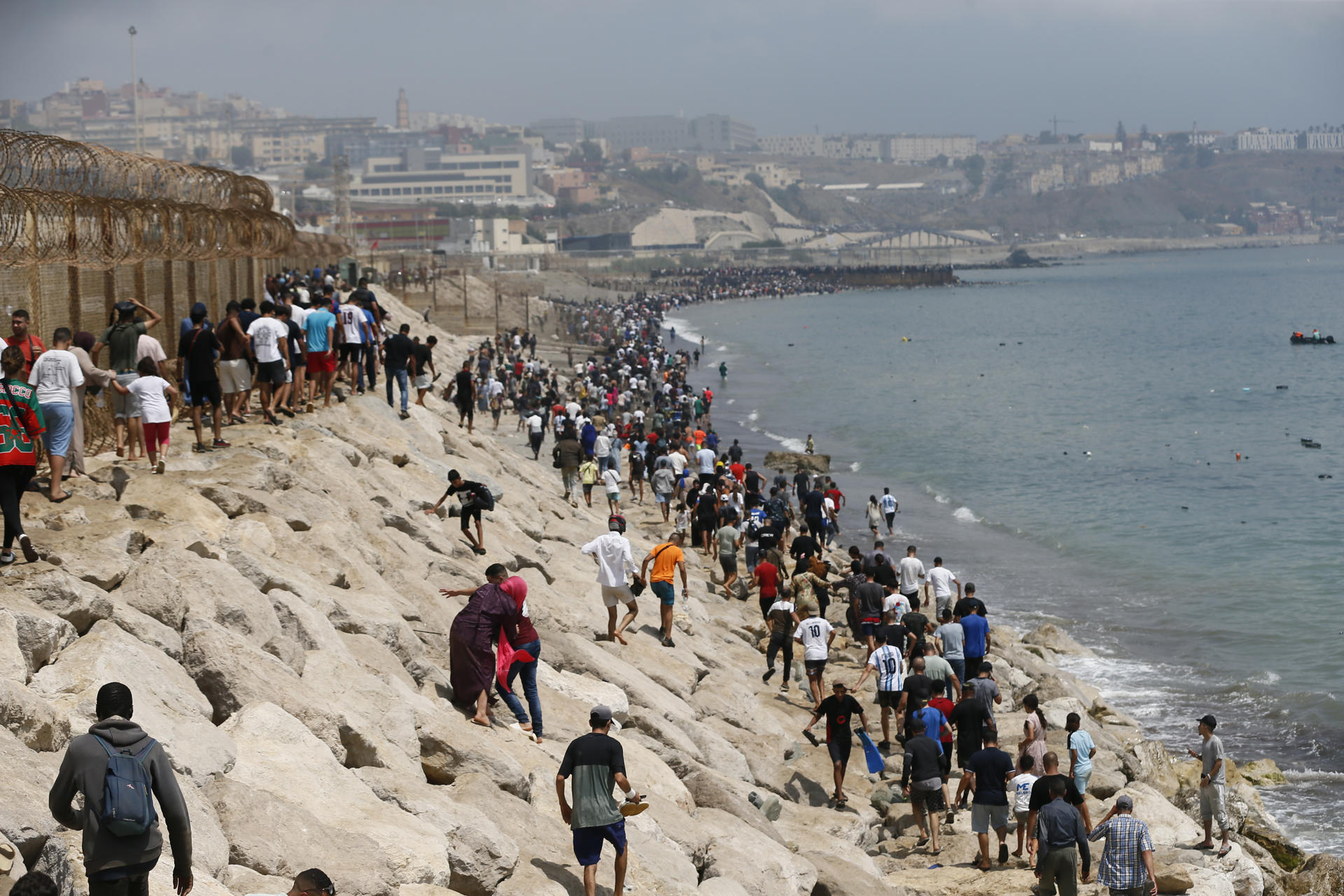
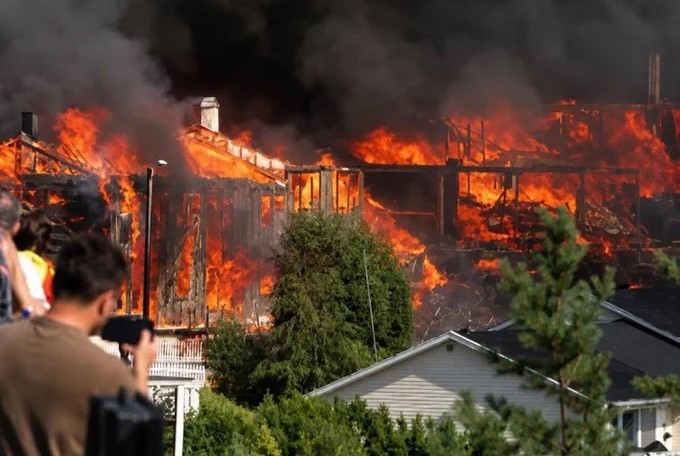
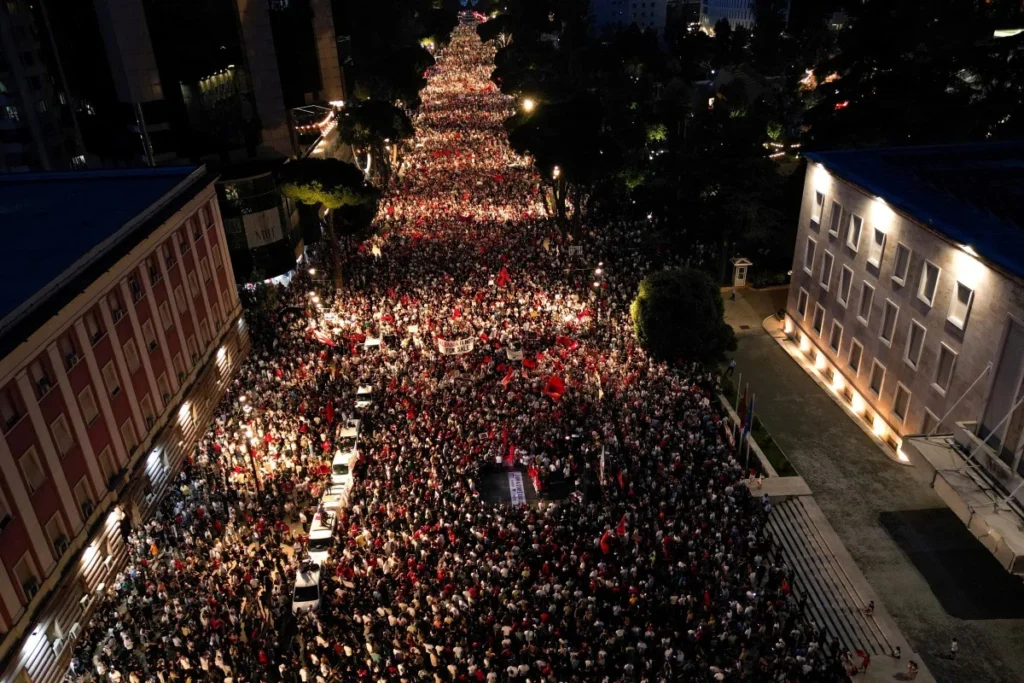
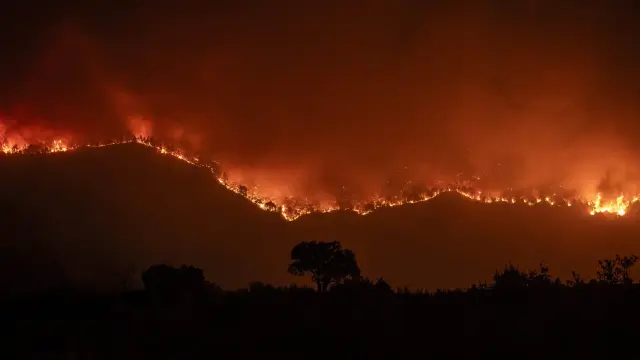
The President of the Autonomous City of Ceuta, Juan Jesús Vivas, requested that the central Government declare a national emergency due to the scale of the crisis. At the same time, numerous citizens held protests, considering the mass arrival to constitute an invasion and denouncing the lack of an immediate response from Pedro Sánchez’s administration. Among the criticisms is the perception that the Government’s response was insufficient during the first hours of the emergency, as also occurred at the beginning of recent wildfires, when calls for assistance were not answered.
For its part, the Spanish Government attributed the situation to human trafficking networks and announced an agreement with Morocco to proceed with the return of immigrants who had entered irregularly, while strengthening the joint presence of the Army and the Civil Guard to ensure border control and security in the city.
These events may be interpreted as part of a geopolitical pressure strategy exerted by Morocco against Spain. Others point to a covert plan involving the United States and Israel as a form of punishment in response to Spain’s criticism regarding the situation in Palestine and the Middle East. It should be remembered that Israel’s Prime Minister, Benjamin Netanyahu, accused the Spanish Government of defaming the Israeli army and maintaining a hostile stance toward his country, stating that Israel would not tolerate “any free country waging a diplomatic war against us without paying an immediate price.” Both possibilities form part of a geopolitical conflict that, together with possible internal complicity, could indicate a broader and supranational plan in which the crisis is used to justify actions aimed at greater control and surveillance.