Written by
Jorge S. Adedo Rovirosa
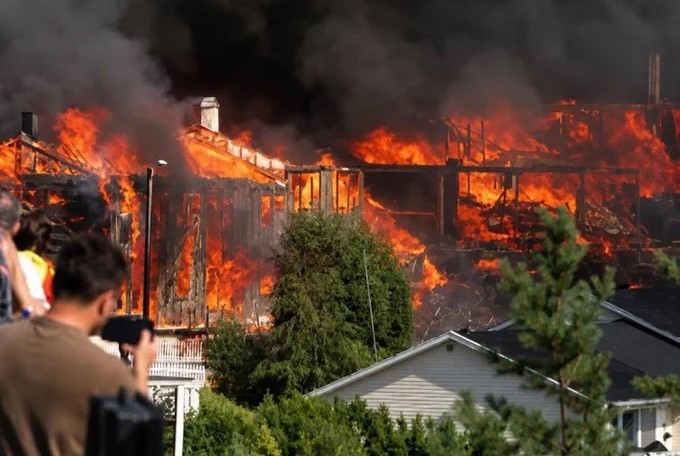
The 2026 confrontation between Iran and the United States began after coordinated U.S. and Israeli attacks on Iranian territory, justified under the claim of preventing Iran from advancing toward nuclear weapons capability. The escalation followed the 2025–2026 Iranian protests, a wave of nationwide demonstrations against the Iranian government that exposed deep political and economic tensions inside the country, however ignited, amplified and exploited by U.S. and Israeli intelligence services seeking to destabilize the Iranian state from within, weaken internal cohesion, and prepare the conditions for a regime-change operation, including targeted assassinations against government officials such as the Supreme Leader Ali Hosseini Khamenei.
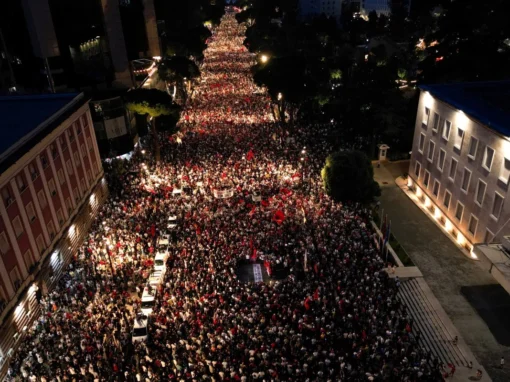
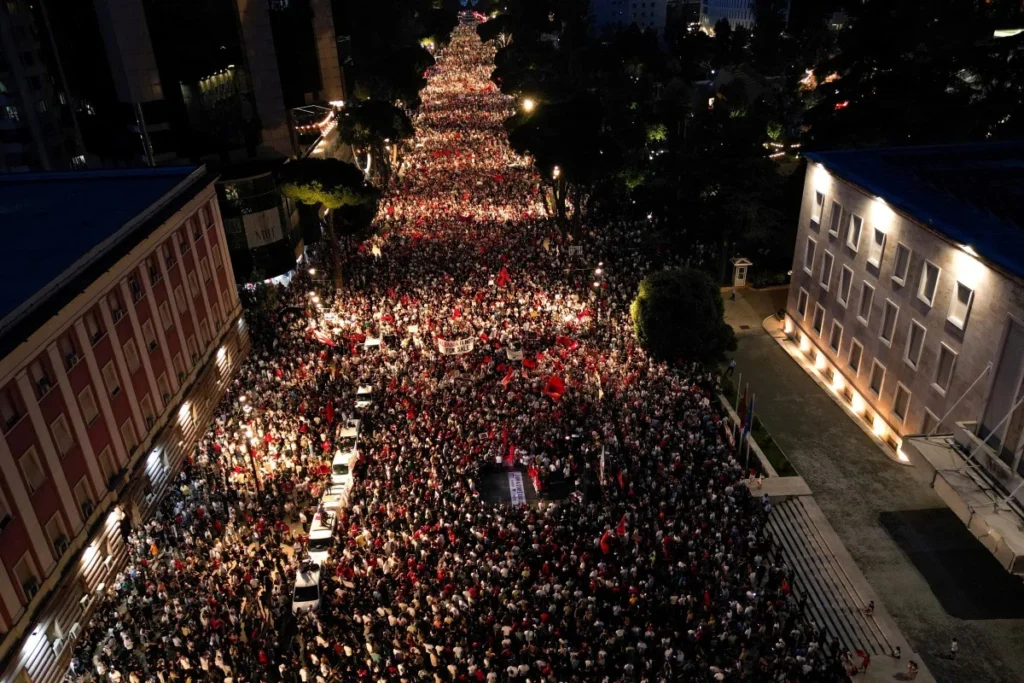
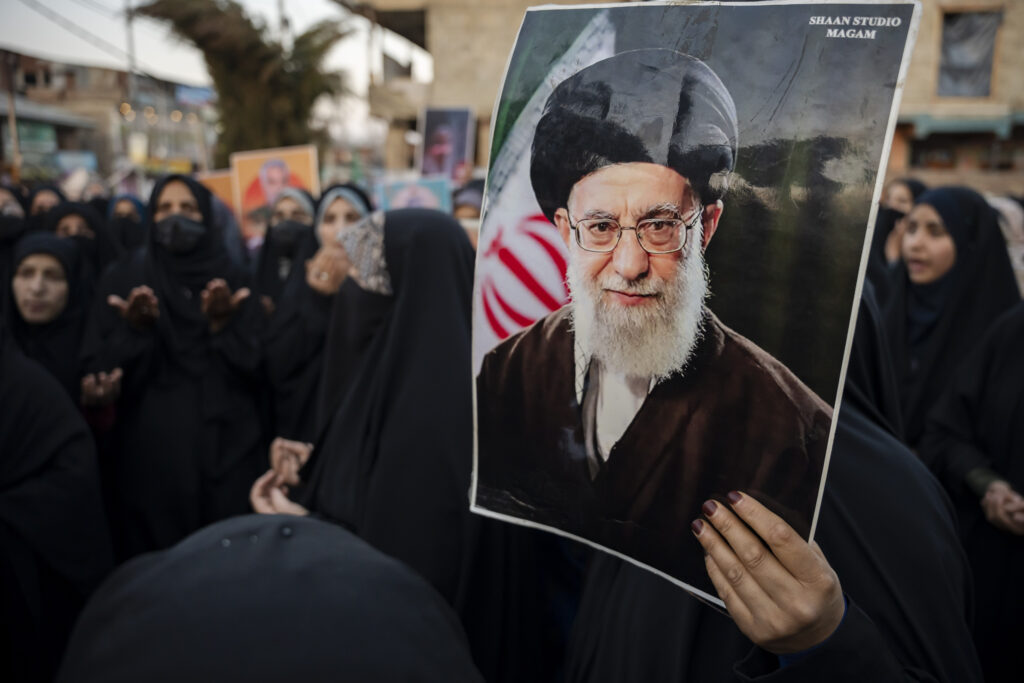 A protester holds a photograph of Ali Khamenei during a demonstration. Iran’s Supreme Leader’s office and the presidential office in Tehran were reportedly targeted in coordinated Israeli and U.S. strikes, along with military sites across the country.
What appeared to be a limited military operation quickly evolved into a prolonged regional conflict. While the United States continues to rely on its conventional military superiority—airpower, naval dominance, stealth systems, and missile defense networks—the conflict has increasingly been shaped by Iran’s asymmetric strategy of endurance, saturation, and cost imbalance, strengthened by the advantage of operating within its own territory. Rather than a traditional war seeking decisive victory, the confrontation has become a contest of sustainability, economic pressure, and attrition.
As the war expanded, it revealed a broader geopolitical reality: modern conflicts are fought not only through territorial conquest, but also through energy disruption, financial pressure, drone warfare, and economic vulnerability. In this environment, even a regional conflict can destabilize global markets and reshape the balance between military power and economic endurance.
U.S. and Israeli strikes on Iran and the Minab school attack
The conflict escalated dramatically following coordinated U.S. and Israeli attacks on Iranian territory targeting military infrastructure, missile facilities, radar systems, strategic installations and multiple civilian areas across several provinces, described by them as necessary to weaken Iran’s regional military capabilities. The attacks also revived broader moral and geopolitical questions over military double standards. The United States and Israel, both with vast arsenals and long histories of intervention, maintain restrictions on other states while exercising global power dominance and geopolitical coercion. The U.S. remains the only country to have used atomic weapons (Hiroshima and Nagasaki, 1945), while Israel has repeated attacks in Gaza and Lebanon, including covert operations to justify interventions. This undermines claims to moral authority over global weapons governance and reinforces perceptions of a selective order shaped by power rather than universal principles.
Among the most controversial incidents was the reported attack on a girls’ primary school in Minab, in southern Iran, during the early phase of the bombing campaign. Iranian authorities and multiple regional reports stated that 175 people died, most of them children. The incident rapidly became a symbol of the civilian cost of the conflict, fueling outrage across Iran and strengthening anti-Western sentiment. The strike appears to represent a strategy of psychological demoralization and shock, aimed at spreading fear through civilian populations during the opening phase of the war. The attack was widely condemned as one of the most disturbing episodes of the conflict, reinforcing accusations that modern warfare increasingly disregards humanitarian principles when strategic escalation and political messaging become priorities.
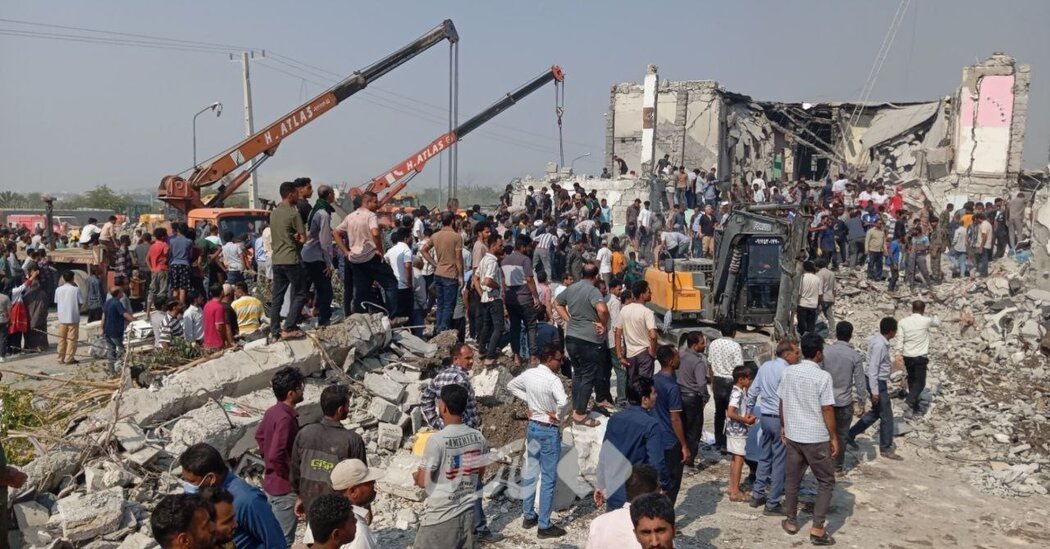
2026 Minab school attack ... On 28 February 2026, the first day of the 2026 Iran war.
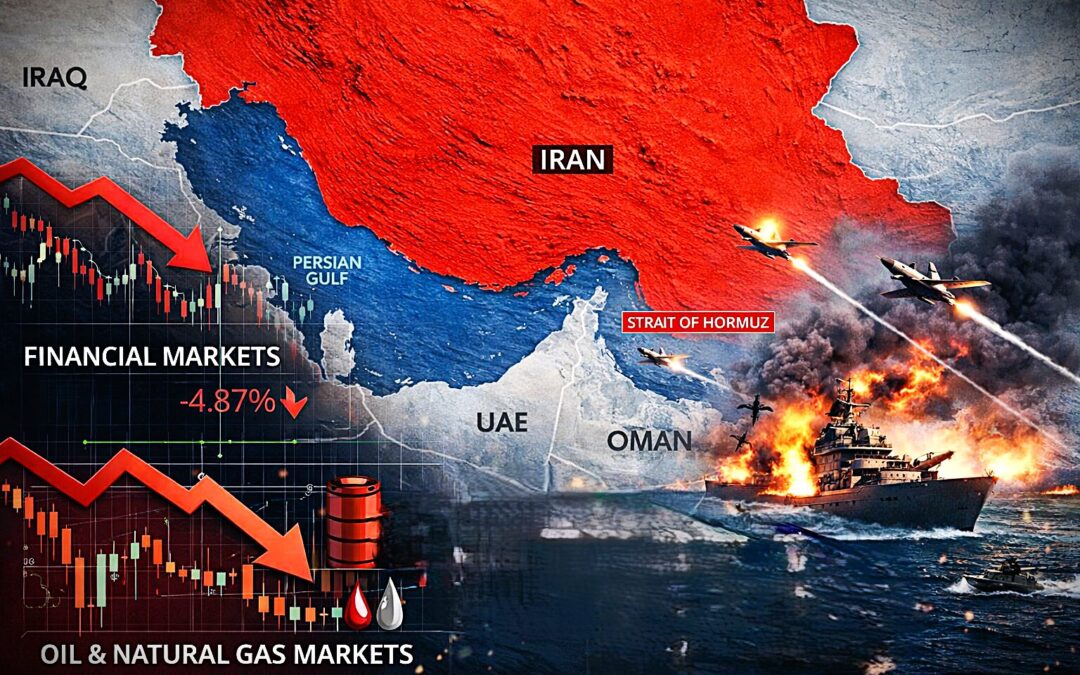
The U.S. and Israeli operations triggered Iran’s asymmetric responses, including closing the Strait of Hormuz, drone swarm attacks, cyber operations, and saturation warfare aimed at increasing economic and logistical costs for technologically superior adversaries.
The Strait of Hormuz and energy warfare
A critical dimension of the conflict is the strategic leverage created in the Strait of Hormuz, one of the world’s most important energy chokepoints, through which roughly 25% of global oil flows. Any sustained disruption or closure of this corridor, had immediate global consequences, sharply increasing oil prices and triggering inflationary pressure across international markets. In this context, Iran’s ability to threaten or restrict access to the strait functions as a form of economic warfare, giving it disproportionate influence over global energy stability despite its limited conventional military power. Even the perception of instability in the region is enough to drive oil markets upward, strengthening Iran’s bargaining position while amplifying global economic strain. For the United States and Israel, this creates a strategic dilemma: maintaining military pressure risks further destabilizing global energy markets, while restraint effectively concedes economic leverage to Iran, highlighting how Washington’s traditional dominance is increasingly constrained by global economic interdependence and reinforcing perceptions of strategic vulnerability rather than unquestioned superiority.
Attacks on U.S. bases across the region
Satellite imagery analyses and field assessments suggest that damage to U.S. military infrastructure across the region may be higher than initially acknowledged. Iranian retaliation has also extended to U.S. military installations across the Middle East, including Kuwait, Bahrain, Qatar, Saudi Arabia, Jordan, and the UAE. Heavily impacted sites include Al-Udeid Air Base (Qatar), Ali Al-Salem Air Base (Kuwait), and Camp Arifjan. Reports indicate that over 200 targets across U.S.-linked installations were damaged or destroyed, including hangars, storage facilities, radar and communications systems, aircraft support infrastructure, and air defense components.
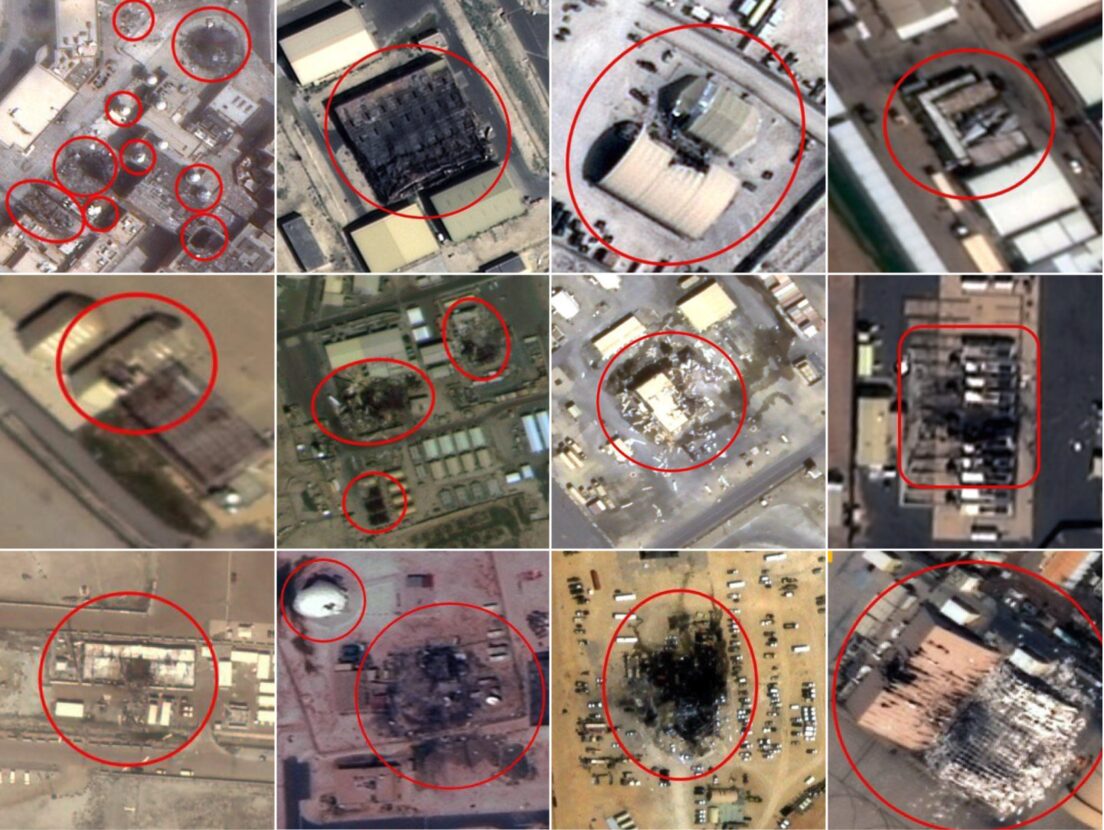
More than 100 high-resolution satellite images have been released by Iran and their authenticity has been verified. In total, it found 217 structures and 11 pieces of equipment damaged or destroyed at 15 military installations.
These damage patterns are described by analysts as consistent with coordinated strike activity rather than isolated impacts, involving precision drone and missile systems targeting fixed infrastructure and operational nodes. While many attacks are intercepted, most of the U.S. facilities in the region have suffered damage to infrastructure, radar systems, and logistical equipment, creating ongoing operational strain even with limited casualties. This reflects a broader vulnerability in U.S. forward-deployed infrastructure, highlighted by the scale of its overseas presence—around 750 bases worldwide, far exceeding that of any other country.
Beyond the direct military impact, the attacks have also altered perceptions of security and stability in Gulf states traditionally seen as insulated from large-scale regional conflict. In places such as Dubai and across the UAE, the proximity of drone and missile threats has heightened concerns over economic vulnerability, tourism dependence, foreign investment exposure, and the fragility of the region’s image as a secure global hub for finance, luxury, and international business.
Iran’s asymmetric drone warfare and the economics of exhaustion
A central feature of Iran’s response has been the use of large-scale drone swarms and low-cost missile saturation attacks. Iran has deployed waves of one-way attack drones (often Shahed-type systems), attacks with underwater drone systems targeting maritime environment, simultaneous short- and medium-range missile strike and coordinated multi-target salvos designed to overwhelm layered defenses.
The objective is not to “outgun” the United States in conventional terms, but to overload interception systems such as Iron Dome, Patriot, and THAAD, forcing expensive defensive responses against relatively cheap offensive systems. This creates a structural cost imbalance strategy: Iran expends low-cost drones and missiles, while the U.S. and Israel are forced to deploy far more expensive interceptors and continuous defensive operations. This is seen as a form of economic warfare embedded within kinetic operations.
Iran’s Shahed-136 drones cost about $20,000–$50,000 each, enabling cheap mass attacks, while U.S. defenses rely on expensive interceptors like Patriot missiles (over $4M) and Coyote systems (~$250K). This creates a major asymmetric cost imbalance, with defense often costing 100–200 times more than the attacking drones. Thus, Iran’s strategy is designed specifically to force disproportionate spending, degrade operational efficiency, and sustain long-term pressure, rather than achieve conventional military superiority.
This disparity is frequently cited in military analysis as a key example of modern economic warfare within air defense systems, where defensive expenditure significantly exceeds the cost of the attacking platforms.
The decline of naval supremacy and the rise of swarm warfare
U.S. carrier strike groups continue to serve as symbols of global military power projection. However, their role in this conflict reflects a more constrained and vulnerable reality. They now operate under continuous drone and missile threats, electronic warfare pressure, and saturation attack risk in confined maritime environments such as the Persian Gulf.
The emergence of large-scale air, surface, and underwater drone systems has introduced new asymmetries challenging dominance of aircraft carriers and large naval fleets. Iran’s strategy is not necessarily to destroy carrier groups outright, but to convert naval superiority into permanent defensive tension, where military presence no longer guarantees operational control. Even without major losses, U.S. naval power remains present but no longer possess uncontested command of the battlespace.
The conflict has also reinforced a broader transformation in modern warfare: swarms of low-cost autonomous drones are becoming increasingly capable of challenging, and potentially neutralizing, extremely expensive military platforms such as destroyers, aircraft carriers, and large naval fleets. Rather than relying on singular high-value weapons systems, swarm warfare is based saturation, decentralization, and overwhelming volume, allowing low-cost systems to impose disproportionate pressure on advanced militaries.
At its core, the confrontation is no longer defined by decisive battlefield annihilation, but by a prolonged war of endurance, economic exhaustion, and technological asymmetry, where sustained low-cost pressure can outweigh conventional military superiority.
AI warfare: digital propaganda and the battle for global perception
Artificial intelligence has also emerged as a central dimension of the conflict, not only on the battlefield but in the information and propaganda sphere. Iran has increasingly leveraged AI-generated media, including viral “Lego-style” animations and synthetic videos distributed across social platforms, to expose and challenge Western narrative dominance online. These productions combine AI image generation, meme culture, satire, and emotionally charged storytelling to portray the conflict through a highly accessible digital language, particularly aimed at younger global audiences. Iranian media and online networks have also sought to exploit the Jeffrey Epstein case and the blackmail operation and trafficking ring associated with political, financial, and celebrity elites to damage the international image of the United States, as well as alleged links to intelligence agencies such as Mossad, portraying them as evidence of hidden influence and corruption within Western power structures.

In one of the videos, Trump and Netanyahu portrayed as receiving orders from the devil and Baal, as a critique of the actions they represent and subtly denounces the influence of the deep state and secret societies behind political power.
Such content represents a new form of information warfare, where relatively low-cost AI tools can generate massive global reach and influence public opinion far beyond traditional state media channels. At the same time, AI-assisted drone technologies, autonomous targeting systems, and adaptive battlefield analytics are increasingly redefining modern conflict itself, blurring the boundary between digital propaganda, cyber influence, and kinetic warfare.
At the same time, the United States and Israel have also expanded the use of artificial intelligence, surveillance, predictive targeting systems, cyber operations, autonomous drones, and real-time battlefield analytics. AI-assisted facial recognition, satellite image analysis, behavioral prediction systems, and automated target selection have increasingly become integrated into modern military operations, accelerating both decision-making and strike capabilities. Particular controversy has Palantir Technologies and its reported role in AI-assisted military targeting systems used during operations against Iran. Investigations and media reports have linked Palantir’s Maven platform to accelerated battlefield targeting processes and large-scale strike coordination, with critics arguing that the integration of AI into rapid kill-chain systems compresses human decision-making and increases the risk of catastrophic mistakes and civilian casualties. As a result, AI is no longer simply a technological tool supporting warfare, it is becoming one of the central battlefields of modern conflict itself, blurring the boundaries between propaganda, cyber influence, surveillance, and kinetic military operations.
Another frequent tactic of contemporary information warfare is the strategic diversion of public attention through mass media saturation and entertainment cycles. According to this perspective, major geopolitical events and military operations are often overshadowed by the intensive promotion of celebrity controversies, entertainment spectacles such as the Super Bowl, viral social media disputes, UFO or extraterrestrial narratives, therian trends, influencer scandals, and emotional yet ultimately superficial cultural debates, all of which dominate online discourse and fragment public attention.
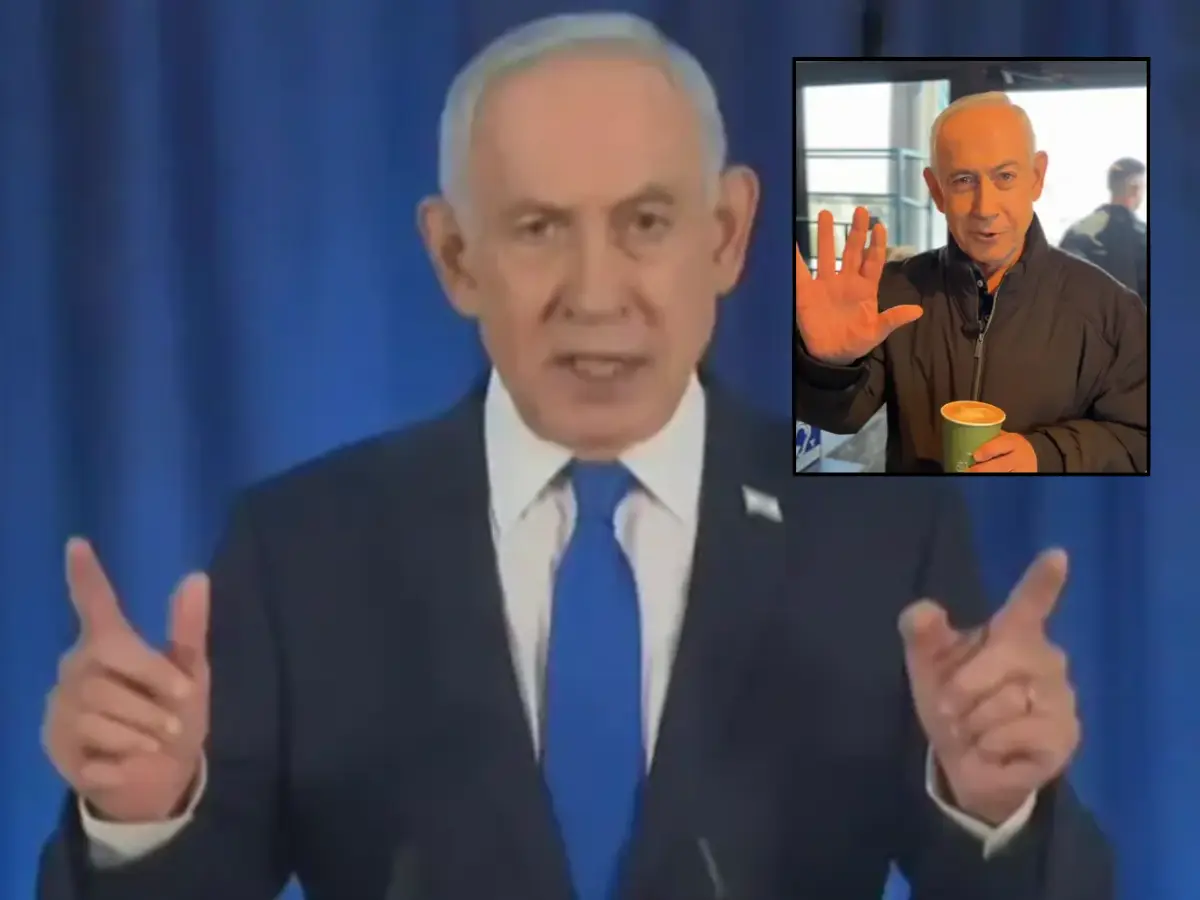
Amid online rumors about his death or replacement, Netanyahu appeared in public and briefly addressed claims that intensified after a televised appearance in which an image appeared to show him with six fingers. Regardless of accuracy, such controversies illustrate how political figures are often turned into media spectacles, diverting attention from underlying power structures and strategic interests. True or false, it does not matter; Netanyahu and Trump are merely puppets of power. Small controversies, political bravado, and provocative statements can shift public attention toward personalities rather than the underlying interests and structures that shape decision-making.
The global influence of U.S. and Israeli media corporations allows narratives to be rapidly redirected away from invasions, attacks and humanitarian crises occurring in places such as Gaza Strip, Lebanon, Syria, and Iran. Through algorithmic amplification, targeted media cycles, and localized cultural distractions tailored to different audiences, attention is shifted toward entertainment, controversies and polarization while military escalation and civilian destruction receive reduced sustained scrutiny. It reflects a contemporary form of psychological warfare operating alongside conventional military conflict.
The 2026 turning point: U.S. military superiority vs Iran’s strategic mind
The outcome of the conflict is notable: Iran has not been militarily broken, its missile and drone capabilities remain operational, and it has drawn the United States into a prolonged, costly, and politically unresolved conflict. The U.S. has not achieved its main objectives, including regional stabilization, neutralizing Iran’s deterrence, securing maritime routes, or imposing a political settlement. At the same time, growing domestic opposition has emerged in the United States, with protests criticizing the use of taxpayer money for war, while some military and political figures have reportedly faced dismissal or pressure after expressing dissent.
The 2026 Iran–U.S. confrontation marked a turning point in modern warfare, where battlefield superiority did not translate into strategic success. Despite its advanced capabilities, the U.S. failed to secure decisive outcomes or maintain control over the conflict’s trajectory. Iran, with fewer resources, relied on asymmetric warfare—drones, missiles, geography, and endurance—to offset conventional advantages while sustaining pressure on U.S. forces and regional assets.
Over time, the U.S. proved unable to achieve decisive victories or strategic stabilization, facing operational strain and persistent vulnerability despite its military dominance in firepower.
Global economic blockade and wealth transfer
From a broader geopolitical and economic perspective, the Iran–U.S. confrontation contributes to a wider pattern of global economic fragmentation and indirect blockade effects, even without formal large-scale trade restrictions. Instability in key energy corridors, particularly the Strait of Hormuz, drives volatility, increasing costs across transport and supply chains and ultimately pushing up food prices and global inflation. This creates a chain reaction that makes global supply systems more fragile and reactive to geopolitical shocks, effectively functioning as a de facto constraint on global growth and stability.
By some estimates, the United States has already committed over $200 billion directly and indirectly to military operations, deployments, interception systems, logistics, and regional support linked to the conflict. As wars intensify, governments increasingly rely on debt, emergency spending, and procurement programs, strengthening the role of major banks and investment networks that finance and profit from prolonged geopolitical instability.
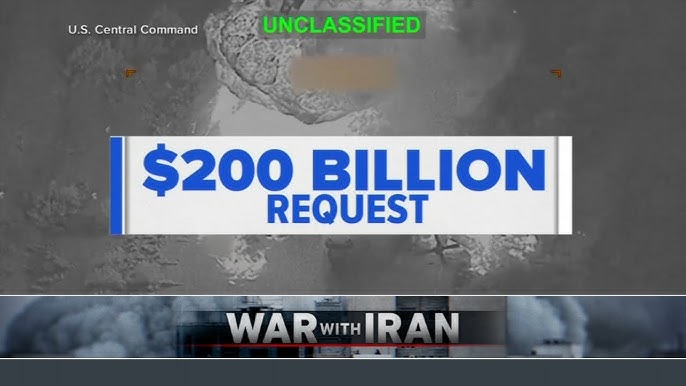
As governments increase military expenditures and emergency borrowing to sustain operations, large banks and investment funds often play a central role in underwriting debt, financing procurement, managing sovereign assets, and facilitating capital flows tied to wartime economies. Prolonged wars accelerate a broader transfer of wealth from the general population—through taxation, inflation, rising public debt, and austerity pressures—toward large corporations, defense contractors, and financial institutions that gain expanded influence, state contracts, and concentrated economic power during periods of global crisis.
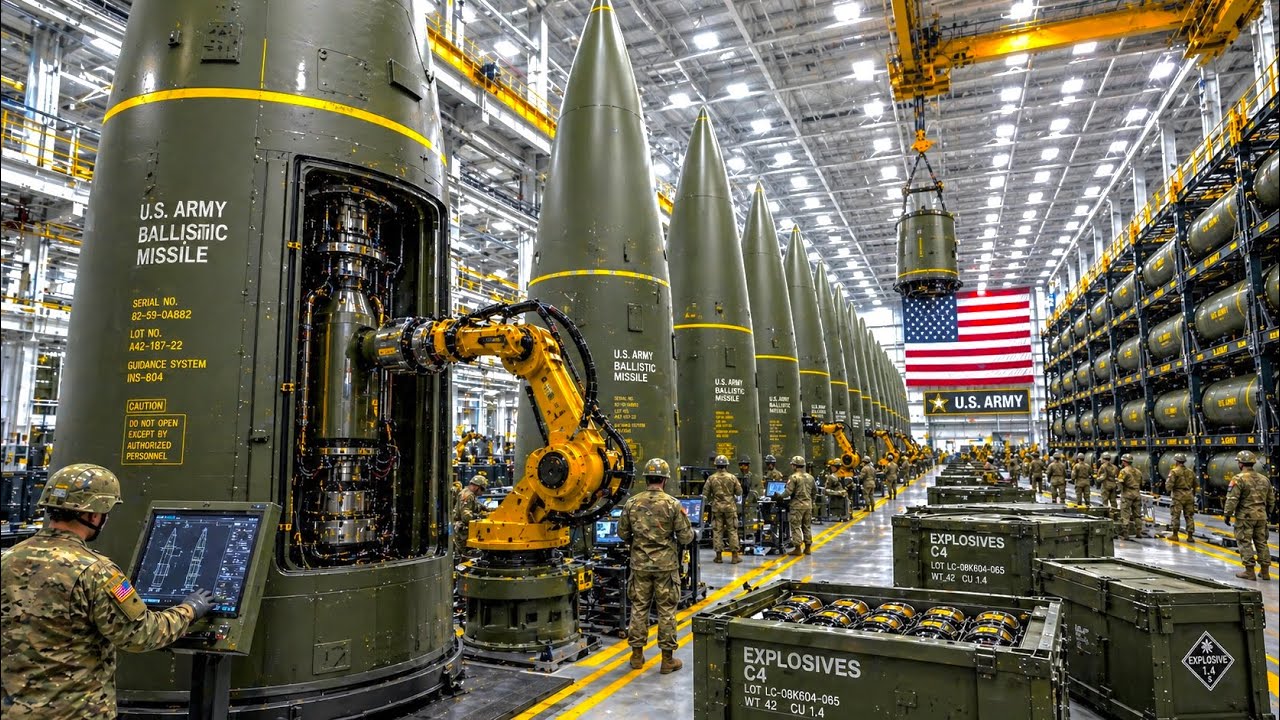
In such environments, financial volatility and prolonged conflict often concentrate capital flows toward major institutional actors. Investment firms and banking networks such as BlackRock, Vanguard, State Street Global Advisors, JPMorgan Chase, Goldman Sachs, Citigroup, Bank of America, and Morgan Stanley are positioned to benefit from market volatility, sovereign debt expansion, military procurement, and the growing demand for weapons, cybersecurity, logistics, and defense infrastructure. As governments increase military spending and emergency borrowing, wealth is increasingly transferred—through inflation, taxation, and rising public debt—toward defense contractors, large corporations, and financial institutions tied to wartime economies.
This dynamic echoes the phrase “War is a racket,” associated with Smedley Butler, who criticized the economic interests behind armed conflicts, arguing that wars benefit financial institutions, corporations, and industrial power, becoming not only geopolitical struggles but also instruments of economic power. Nearly a century later, this dynamic is more visible than ever given the amount of information now available, as global conflicts are not only intertwined with but often driven by strategic economic interests, weapon industries and financial influence that operate above national interests. From this perspective, ideological narratives, religious differences, ethnic, patriotism and political divisions, are frequently exploited as a cover, serving as both justification and shield for deeper geopolitical and economic interests operating behind the conflicts.
Contributions
Contributions are welcome from writers, researchers, architects, travelers, photographers, and independent thinkers interested in architecture, travel, culture, society, geopolitics, technology, and contemporary global issues. If you would like to publish an article, reflection, or visual project, feel free to get in touch.