There are cities that dazzle immediately, and then there is Skopje—a destination that slowly reveals itself through layers of history, architecture, cuisine, and culture. North Macedonia's capital sits along the Vardar River at the crossroads of East and West, where Ottoman bazaars, Brutalist landmarks, Byzantine churches, and grand neoclassical facades coexist in fascinating, sometimes surreal harmony.
For travelers willing to embrace contradiction, Skopje offers one of Europe's most intriguing urban experiences.
Why Go Now
Still largely overlooked by mainstream tourism, Skopje remains refreshingly authentic. Boutique hotels occupy restored historic buildings, independent cafés spill onto lively squares, and excellent restaurants showcase a culinary tradition shaped by centuries of Balkan, Mediterranean, and Ottoman influences.
Its compact center also makes it an ideal long weekend destination or a gateway to exploring the mountains, lakes, and wine regions of North Macedonia.
The First Impression
Arriving in Skopje can feel almost cinematic. Monumental statues dominate broad plazas, elegant bridges span the Vardar River, while just across the water, narrow cobbled streets lead into one of the oldest and best-preserved Ottoman bazaars in the Balkans.
The city's appearance reflects both its turbulent past and ambitious reinvention. A devastating earthquake in 1963 reshaped much of the urban landscape, leaving behind remarkable examples of modernist and Brutalist architecture. More recently, extensive redevelopment introduced grand classical-inspired buildings that continue to spark debate among architects and locals alike.
Rather than seeking perfect harmony, Skopje invites visitors to appreciate its complexity.
Where to Stay
The best accommodations are concentrated around Macedonia Square, the Debar Maalo neighborhood, and the Old Bazaar.
Luxury travelers will appreciate boutique hotels offering contemporary design alongside warm Balkan hospitality, while smaller guesthouses provide a more intimate experience, often with locally sourced breakfasts and personalized recommendations from owners eager to share their city.
Debar Maalo is particularly appealing for travelers who enjoy walking to cafés, restaurants, and nightlife.
Neighborhoods Worth Exploring
Old Bazaar
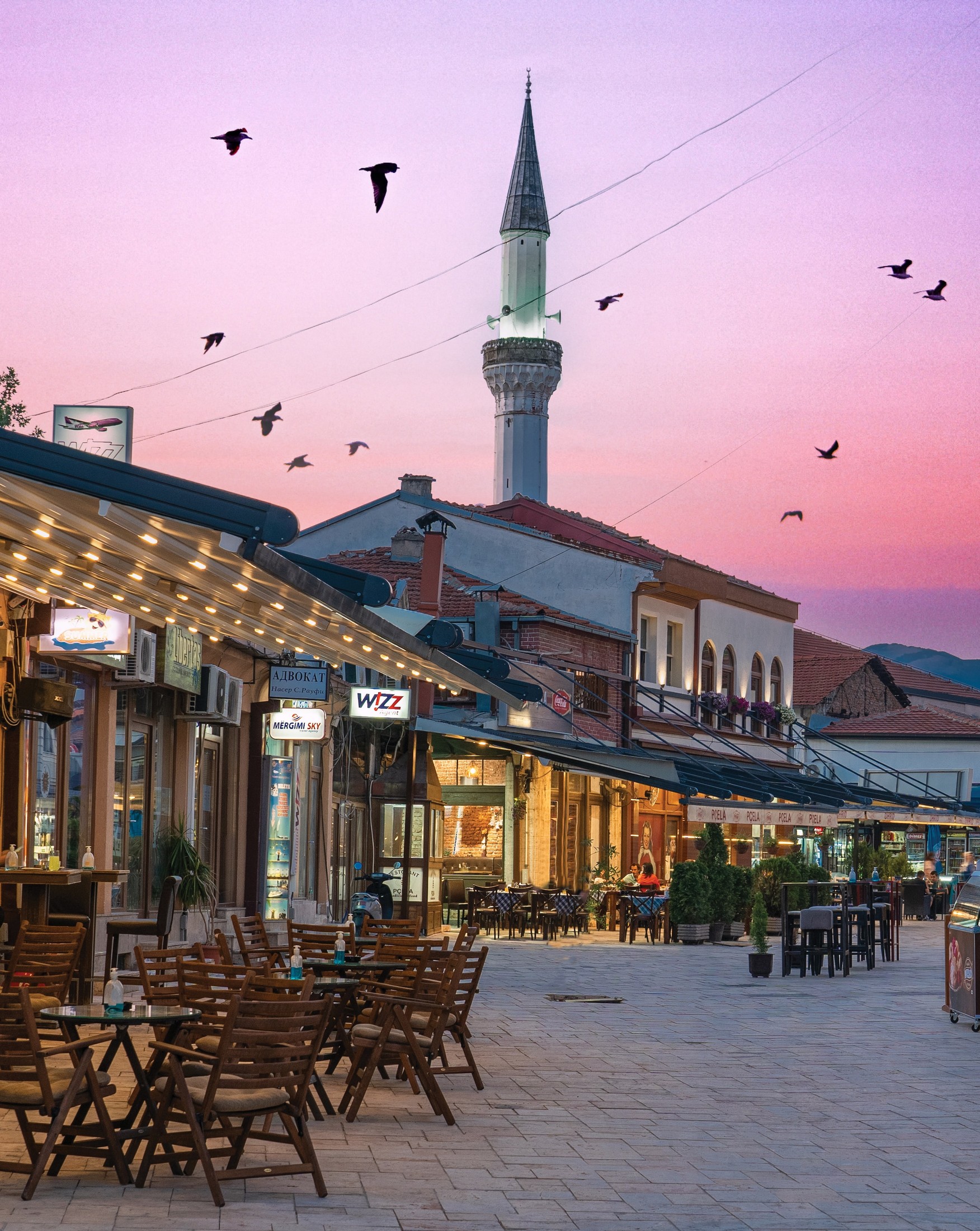
The historic heart of Skopje remains its most atmospheric quarter. Centuries-old stone streets wind past mosques, artisan workshops, tea houses, antique shops, and family-run restaurants.
Spend hours wandering without an itinerary. Hidden courtyards, traditional bakeries, and small galleries reward slow exploration.
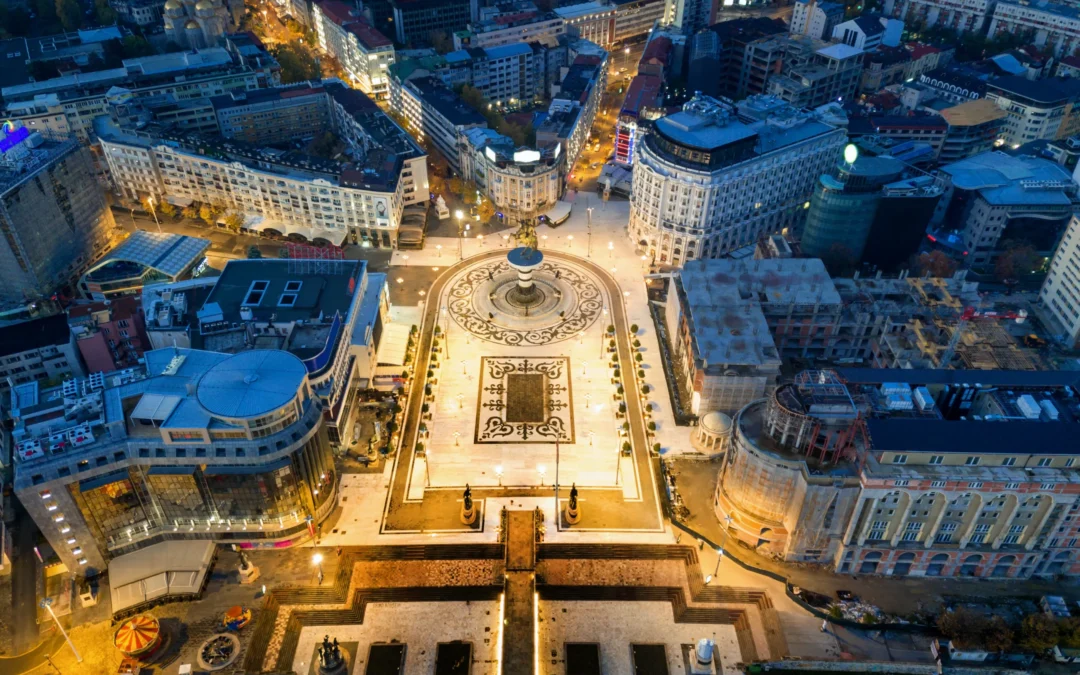
Macedonia Square
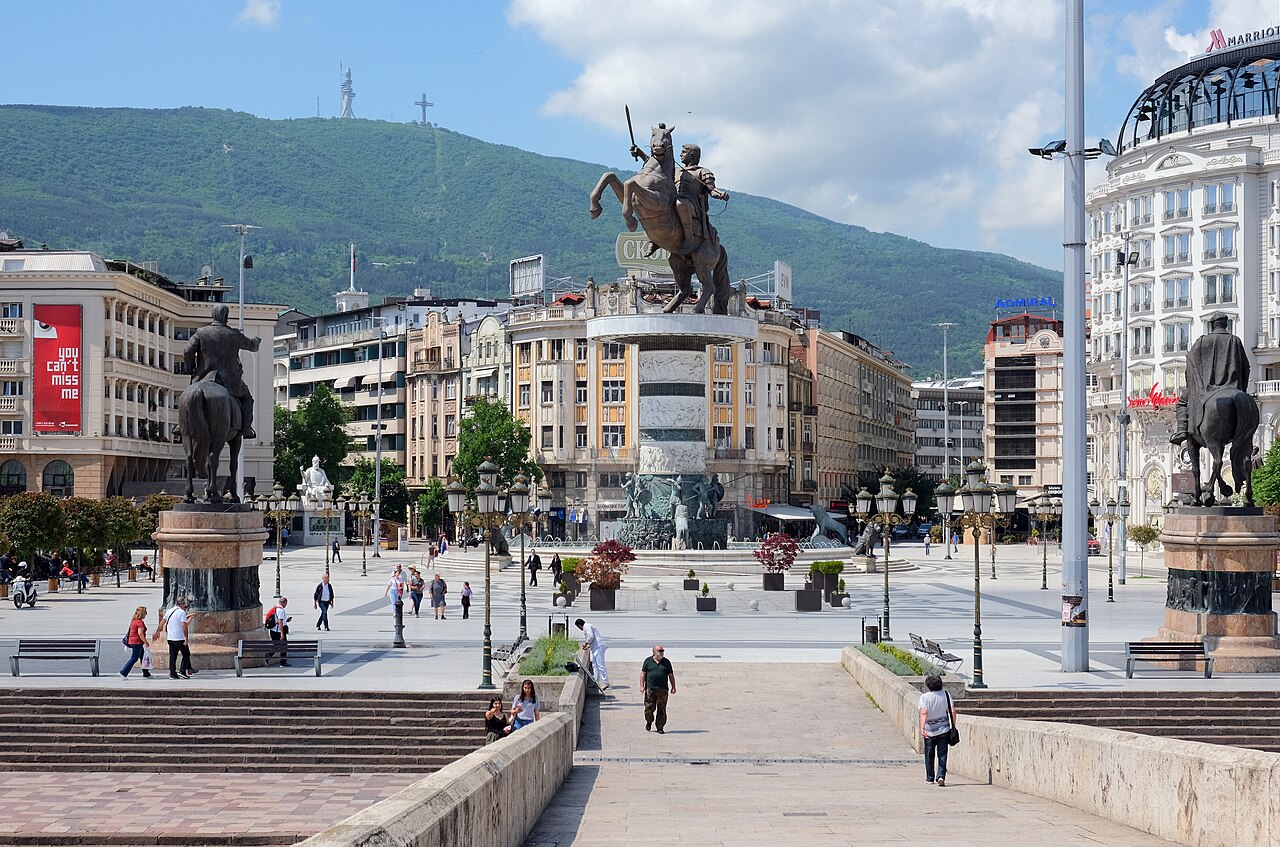
The symbolic center of modern Skopje serves as the city's gathering place. Monumental architecture surrounds wide pedestrian spaces filled with cafés, musicians, and evening promenades.
Visit both during daylight and after sunset when the buildings and bridges become dramatically illuminated.
Debar Maalo
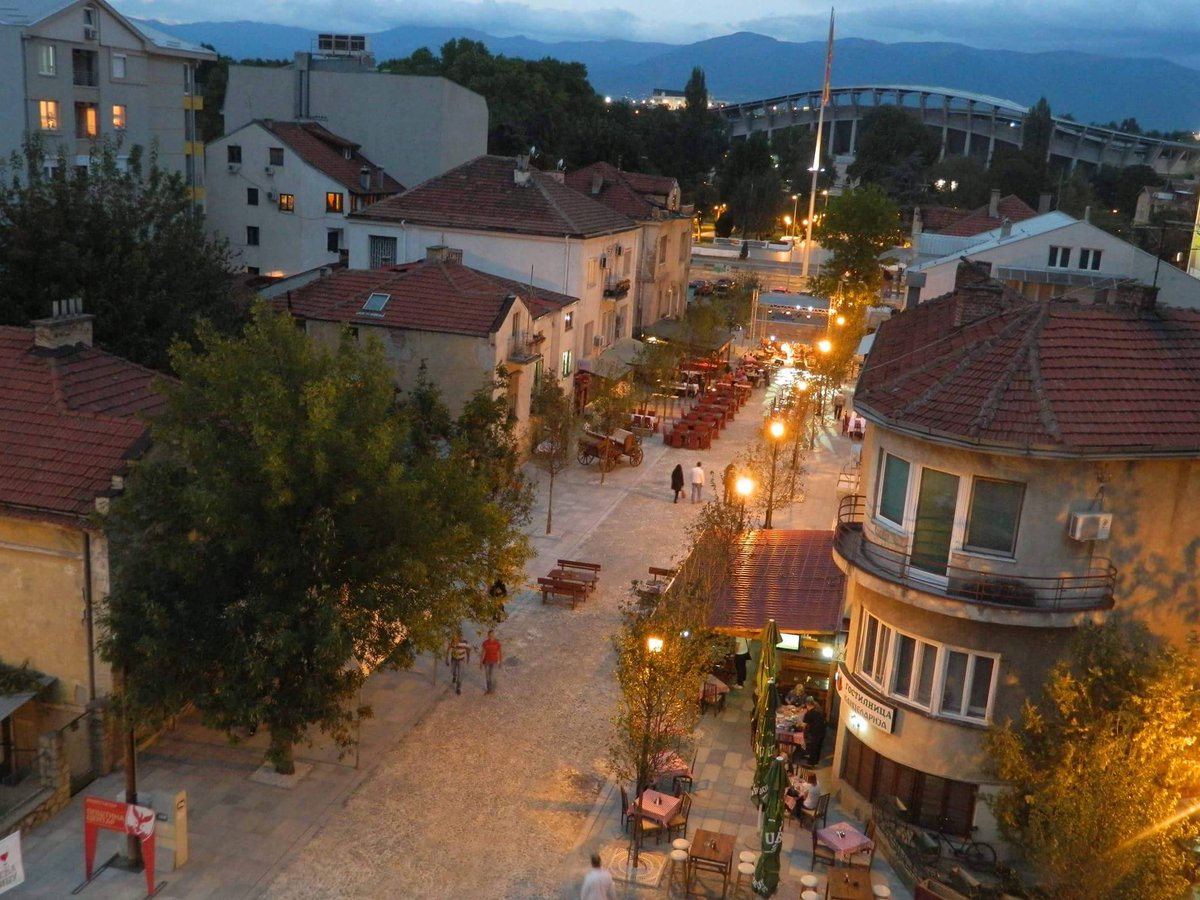
Skopje's creative neighborhood blends residential charm with some of the city's finest restaurants, cocktail bars, bakeries, and coffee shops. It offers a more contemporary perspective on local life away from the monumental center.
What Not to Miss
The Stone Bridge
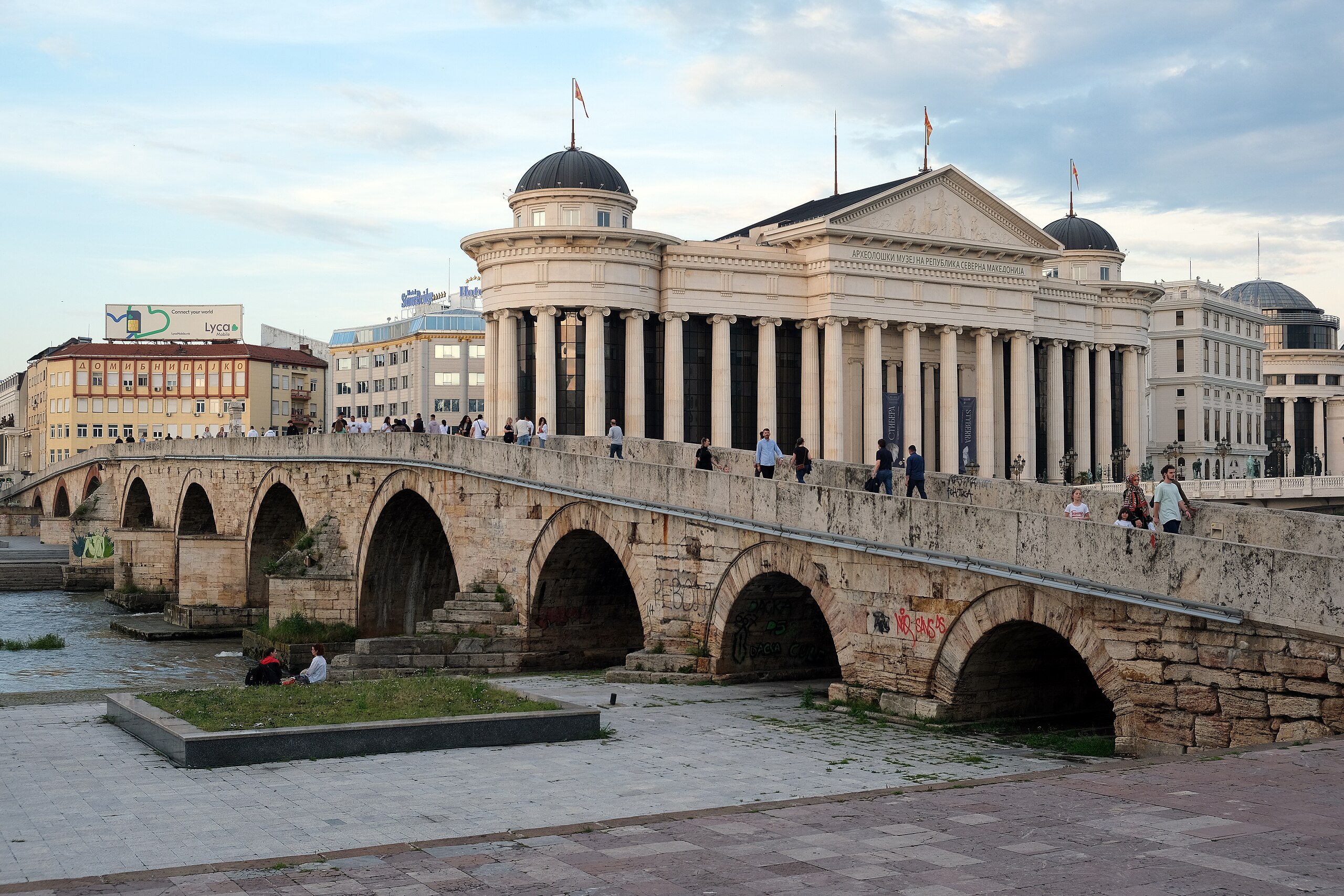
Connecting the old and new halves of the city, this Ottoman-era bridge has served as Skopje's symbolic heart for centuries. Crossing it at sunset offers one of the city's most memorable walks.
Kale Fortress
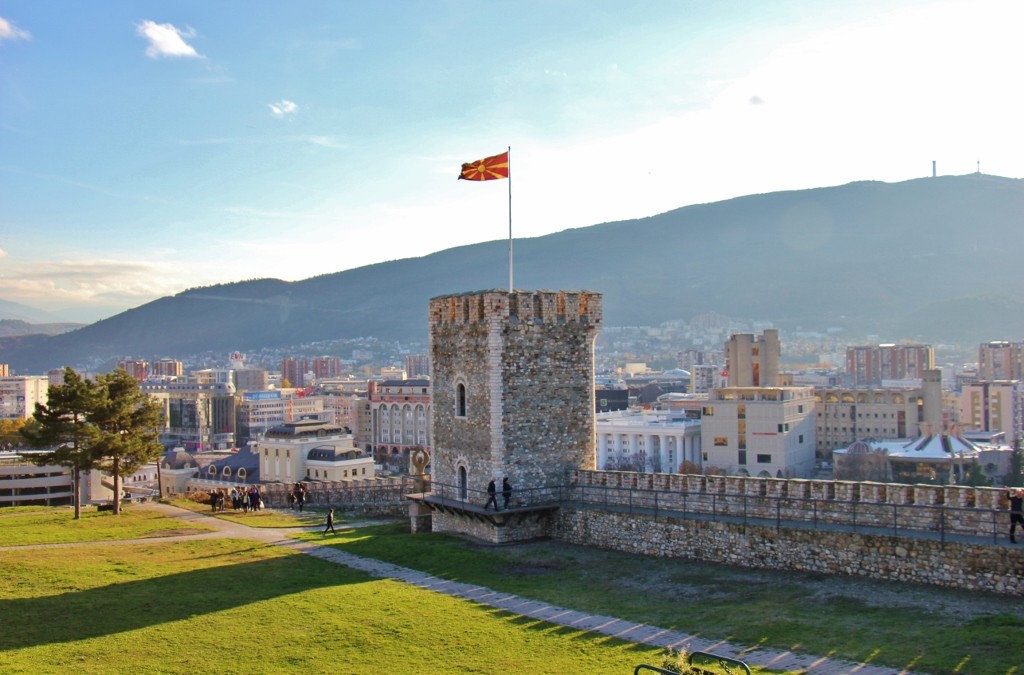
Overlooking the city from a hill above the river, the fortress provides sweeping panoramic views and insight into Skopje's strategic importance throughout history.
Cultural Quarter
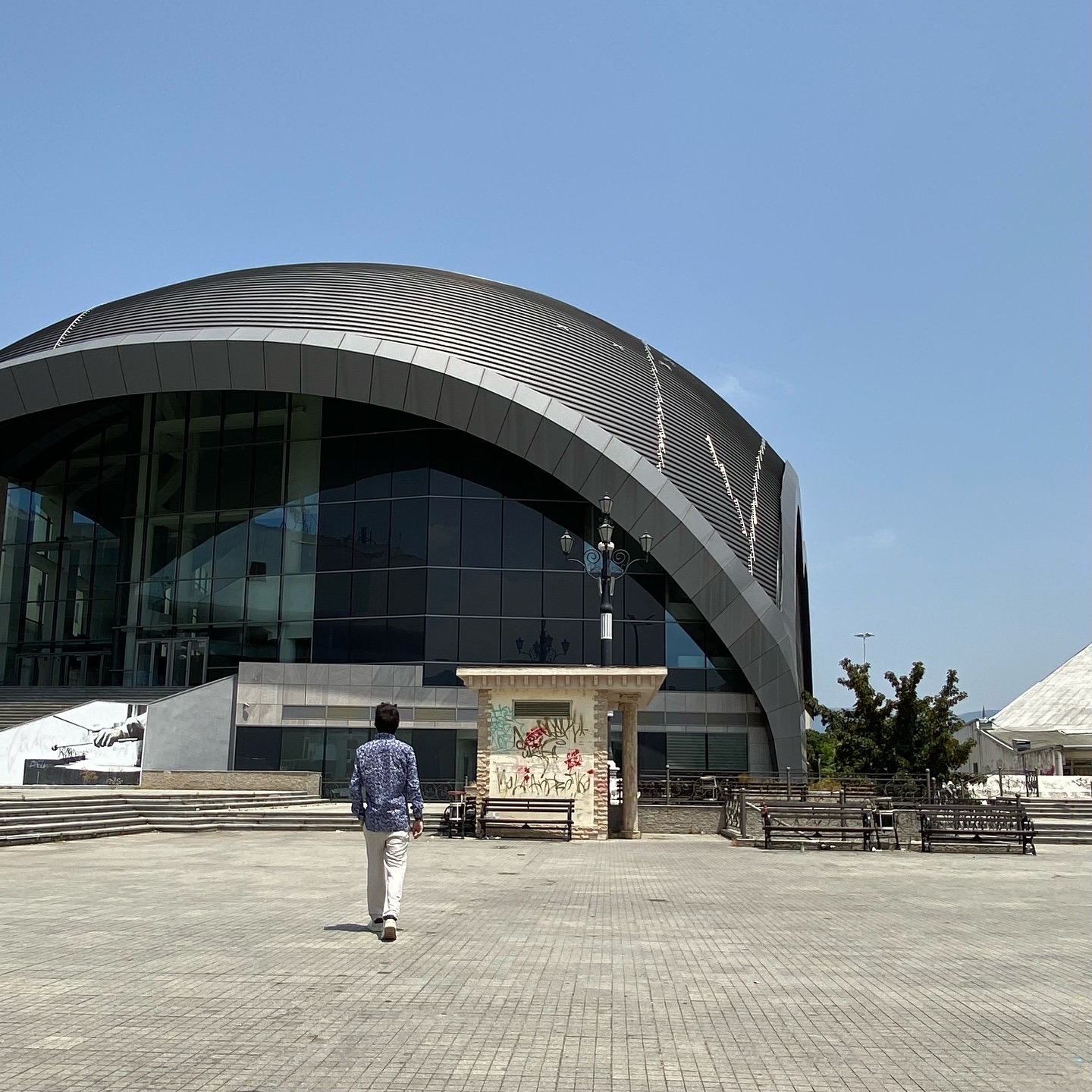
Just east of the city center, the area surrounding the Philharmonic of the Republic of North Macedonia and the Macedonian Opera and Ballet (MOB) has quietly become one of Skopje's most compelling cultural districts. While many visitors focus on the Old Bazaar or Macedonia Square, this elegant riverside enclave offers a different perspective on the capital—one defined by contemporary architecture, public spaces, and a vibrant arts scene.
Between the two institutions, landscaped promenades invite leisurely walks along the Vardar River, while nearby cafés fill with students, musicians, and theatergoers before evening performances. As dusk settles, the illuminated façades, riverside reflections, and the sounds of rehearsals drifting from nearby concert halls create one of the city's most refined and atmospheric corners.
For travelers looking to experience a more contemporary, creative side of Skopje, this cultural quarter offers an ideal balance between architecture, music, and local life.
Brutalist Architecture
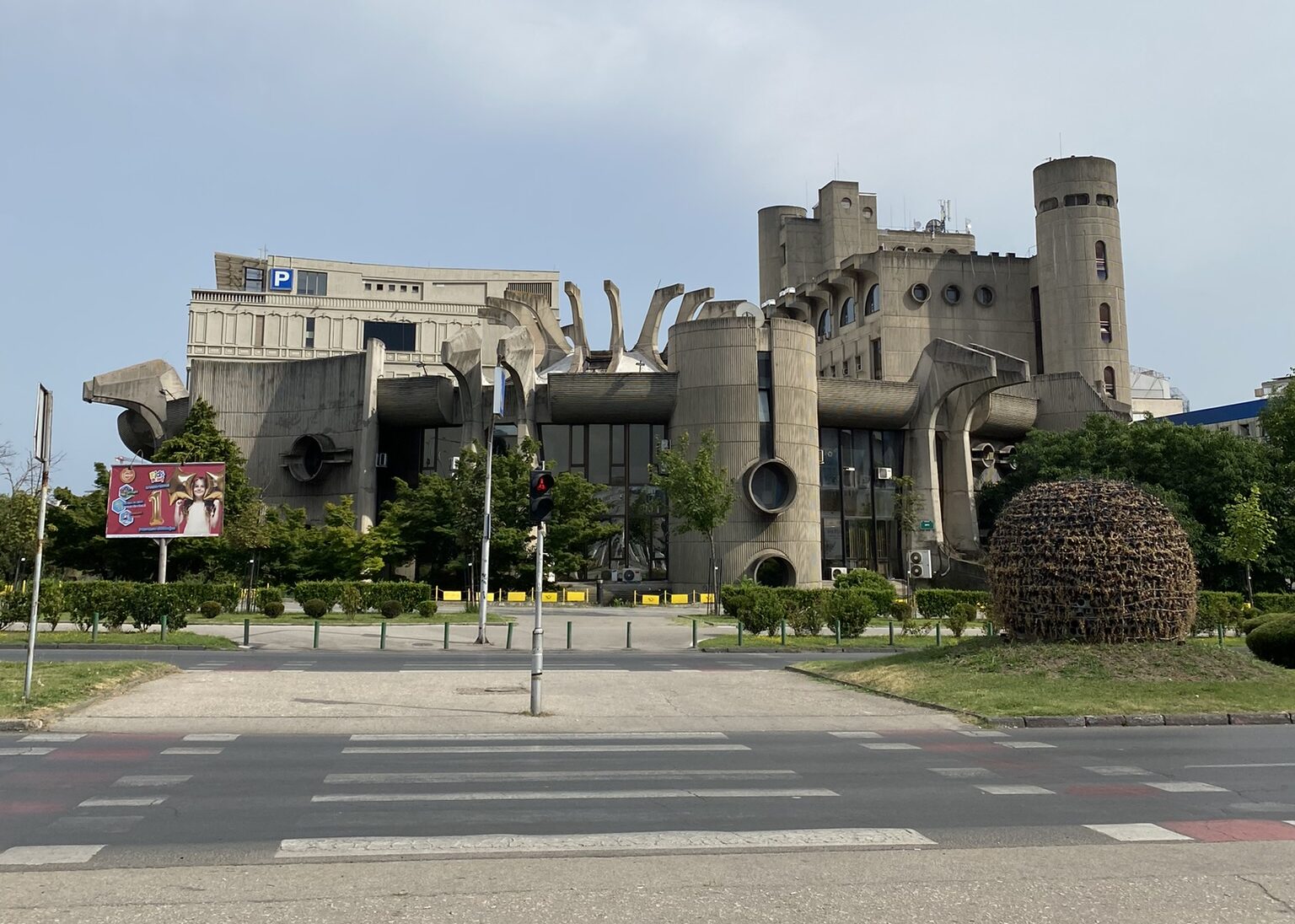
Architecture enthusiasts should dedicate time to discovering Skopje's post-earthquake reconstruction. Government buildings, cultural centers, and transportation hubs showcase bold concrete forms rarely found elsewhere in Europe.
A Taste of North Macedonia
The local cuisine is generous, comforting, and deeply rooted in seasonal ingredients.
Expect grilled meats served with roasted peppers, creamy white cheeses, flaky pastries, slow-cooked stews, and fresh salads bursting with tomatoes, cucumbers, and herbs.
Local specialties include:
- Tavče gravče, a traditional baked bean casserole.
- Ajvar, a smoky roasted red pepper spread.
- Shopska salad with tomatoes, cucumber, peppers, and grated white cheese.
- Kebapi served with fresh bread and onions.
- Freshly baked burek enjoyed alongside yogurt for breakfast.
North Macedonia is also emerging as one of Europe's underrated wine destinations. Indigenous grape varieties and family-owned wineries produce excellent reds and crisp whites that pair beautifully with regional cuisine.
Café Culture
Coffee is less a beverage than a social ritual. Mornings unfold slowly on outdoor terraces where locals gather for espresso or traditional Turkish coffee, often lingering for hours in conversation.
Joining this daily rhythm is one of the simplest ways to experience Skopje beyond its landmarks.
Beyond the City
Skopje makes an excellent base for day trips.
Matka Canyon offers emerald waters, limestone cliffs, kayaking, hiking trails, and hidden monasteries only a short drive from the city.
Wine lovers can explore nearby vineyards, while mountain villages reveal a quieter side of North Macedonia filled with traditional stone houses and spectacular scenery.
Practical Tips
The local currency is the Macedonian denar, although many businesses accept major credit cards.
English is widely spoken in hotels, restaurants, and among younger residents.
Spring and autumn provide the most comfortable temperatures for exploring on foot, while summer evenings bring lively outdoor dining and festivals.
The city is highly walkable, and taxis remain affordable for longer distances.
The Last
Skopje is not a city that tries to fit neatly into expectations. Instead, it embraces its layered identity—Ottoman and European, ancient and modern, restrained and theatrical all at once.
Travelers who arrive with curiosity rather than a checklist often leave with lasting memories of warm hospitality, remarkable food, fascinating history, and a destination that feels refreshingly undiscovered.
For those seeking a European capital beyond the usual itinerary, Skopje may well become one of the continent's most rewarding surprises.