Written by
Jorge S. Adedo Rovirosa
In recent years, the digitalization of everyday activities has advanced at an accelerated pace. Online reservations, electronic payments, digital tickets, mobile applications, and QR codes have become standard mechanisms for accessing services that were previously simple and direct. What was initially presented as an optional and modern alternative has gradually evolved into a necessary condition for full participation in many areas of social life.
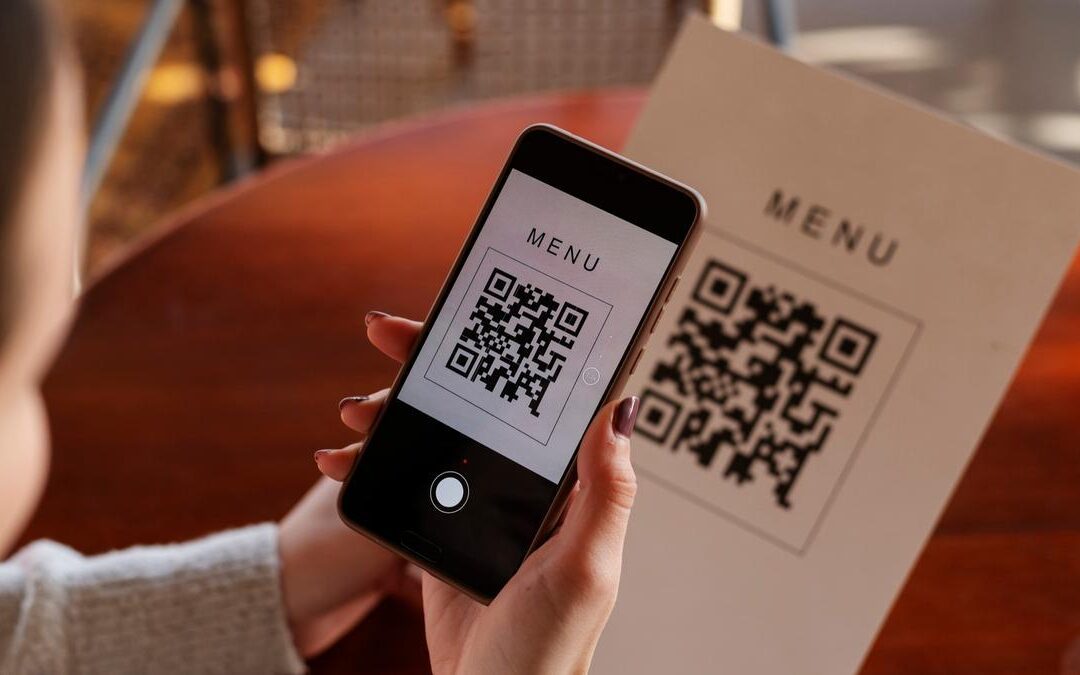
One of the most visible examples of this transformation is found in restaurants. In many establishments, the physical menu has been eliminated and replaced by a QR code that the customer must scan using their smartphone. In many cases, no printed alternative exists, meaning that access to the menu depends entirely on owning a compatible device, having an internet connection, and possessing the knowledge and time required just to view the menu. The phone ceases to be an optional tool and becomes a mandatory intermediary between the customer and the service. What was once a simple human interaction now requires the participation of a technological platform.
This practice may seem trivial, but it reflects a significant cultural shift. The experience of sharing a meal, conversing, and temporarily disconnecting from screens is interrupted from the very moment people sit at the table. This loss of experience—a moment of rest from computers and phones, of sharing with others without needing to look at a screen or search for information—reveals a lack of understanding by establishments and a prioritization of administrative convenience over customer experience. Any place that seeks to provide the best customer experience will not rely solely on QR codes, and the better the establishment, the fewer QR codes you will see.
Moreover, the imposition of these systems affects different population groups unequally. Elderly people, individuals with visual or cognitive disabilities, citizens with economic limitations, those who do not own smartphones, or simply those who prefer not to use them may encounter additional difficulties accessing services that were previously available to everyone without technological barriers.
The problem is not limited to restaurants. At concerts, festivals, museums, various cultural events, and even parks, it is increasingly common for tickets to be available exclusively through digital means and for access to depend entirely on presenting a QR code. Those without the required technological means are placed at a disadvantage or excluded altogether, facing barriers that did not exist in the past.
This represents one of the greatest forms of discrimination of our time, and as has always happened in history, societies often fail to clearly recognize discrimination until many years later, when past abuses become almost unbelievable. Today, we are experiencing one of the most severe forms of discrimination due to digital technology. Millions of people are excluded from different services.
The case of QR codes in restaurants is a everyday example of a much broader phenomenon: the growing transformation of technology from a voluntary tool into an essential requirement for full participation in contemporary society. The fundamental question is not whether technology will continue to advance, but whether citizens will retain the ability to decide when and how they wish to use it.
Faced with this trend, citizens still retain a fundamental tool: the power of choice. Mandatory digitalization advances largely because people accept it without question, even when it affects the quality of experience, accessibility, or freedom of choice. Each individual can express disagreement in a simple and peaceful way by requesting alternatives and supporting establishments that continue to offer options for all customers.
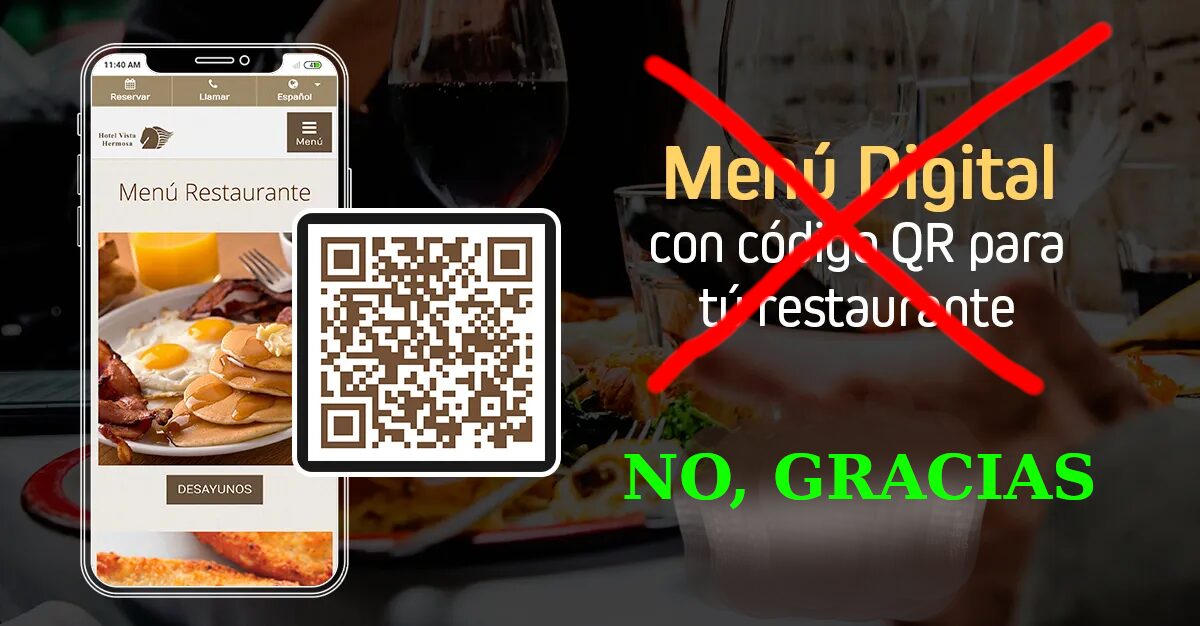
Personally, I have chosen to refuse the use of QR codes in restaurants, cafés, or bars. When I am told that the menu is only available through a smartphone, I request a physical menu. If no alternative exists, I ask what products are available. And if the experience is not comfortable or I consider that the establishment has replaced service with unnecessary technological dependence, I simply leave and look for another place. This is not about rejecting technology itself, but about defending freedom of choice and remembering that hospitality and experience should adapt to people, not people to the demands or “convenience” of technology.
If more citizens demanded alternatives and supported, through their choices, establishments that prioritize human service over automation, businesses would have stronger incentives to maintain accessible options for everyone. Ultimately, every purchase, every visit, and every consumer decision is also a form of participation and a signal about the kind of society we wish to build.