Medium and large-scale commercial establishments occupy strategic locations within the urban space. Over time, these developments have evolved beyond purely commercial functions, gradually incorporating entertainment, services, restaurants, health centers, offices, and public amenities. As a result, they increasingly operate as urban centers and social meeting points. However, due to their scale, program, and physical relationship with public space, these buildings often produce a strong impact on their surroundings, particularly within residential or mixed-use districts. Their rooftops, expansive parking decks, and residual spaces frequently remain disconnected from urban life despite occupying highly valuable and visible areas within the city.
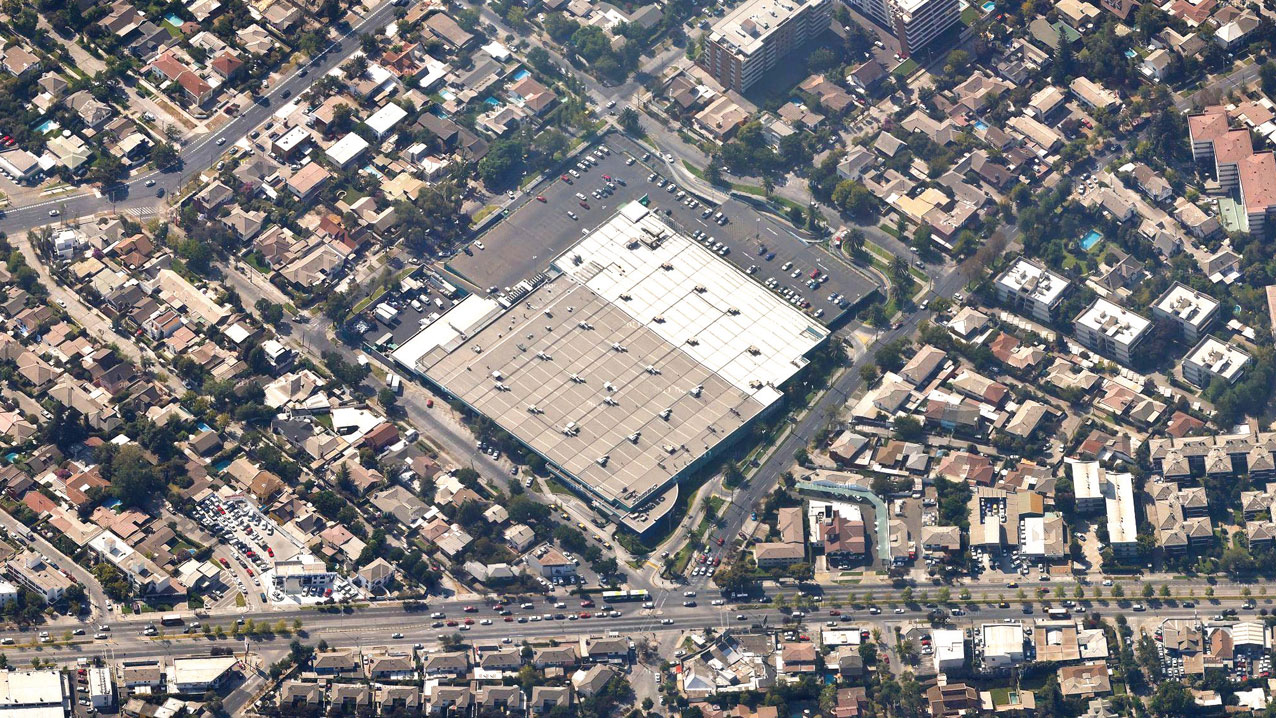
Jumbo Bilbao supermarket in Santiago, Chile.
Another proposal was conceived in Santiago to transform the Jumbo Bilbao supermarket into a new elevated public square integrated with the city. The proposal reimagines the site through a large civic space, introducing public life, green areas, and new urban infrastructure into a dense environment. The project explores how architecture can recover latent urban territory and reconnect large commercial buildings with the city and its communities.
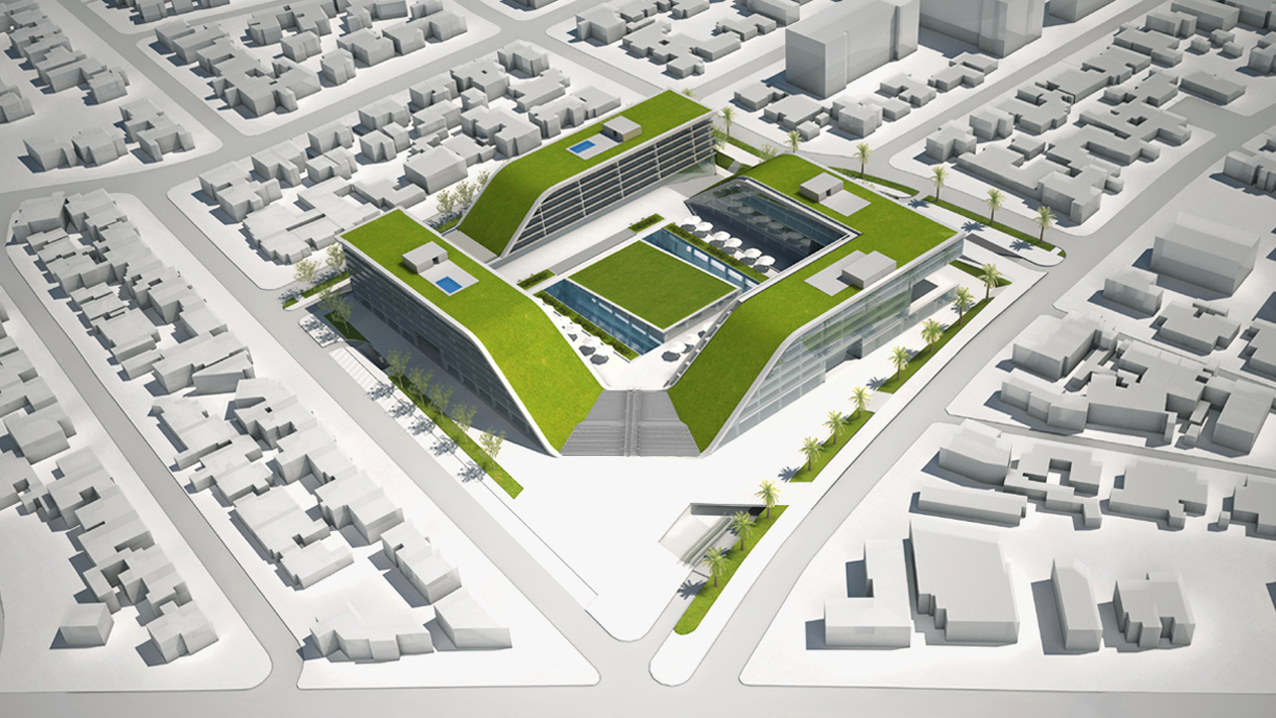
Plaza Bilbao proposal by
Jorge Adedo / TSAR, Santiago, Chile.
ㅤㅤ
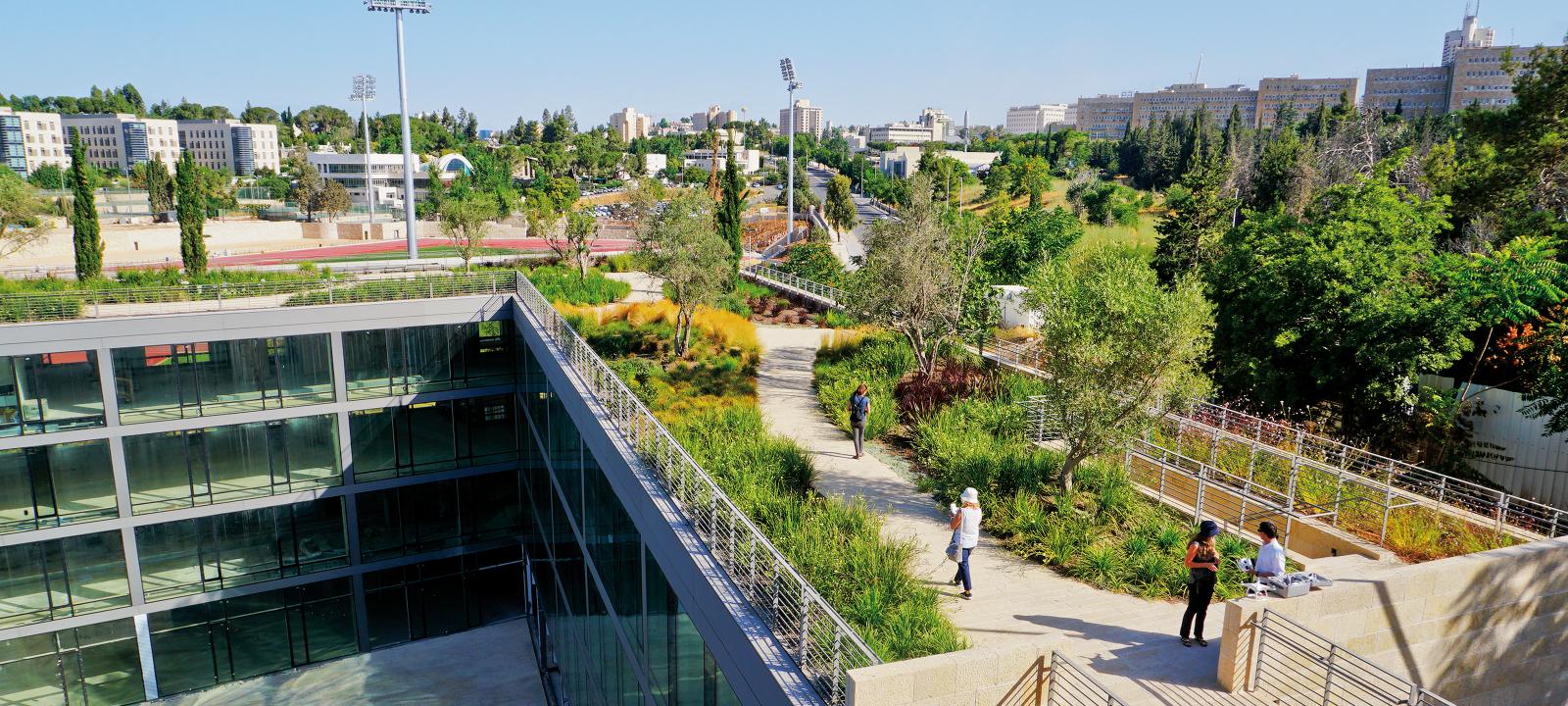
This condition is not exclusive to commercial buildings. Residential towers, apartment blocks, and even private houses often contain large unused rooftop surfaces with the potential to support new forms of occupation and collective use. In dense urban environments where access to outdoor space is increasingly limited, rooftops can become extensions of domestic life through gardens, terraces, communal areas, recreational spaces, urban agriculture, coworking areas, playgrounds, or small-scale cultural and social programs. In residential buildings, the activation of rooftops can improve quality of life while strengthening social interaction among residents. Shared rooftop spaces may function as collective terraces, green infrastructure, viewing platforms, sports areas, urban gardens or environmental buffers that improve thermal performance and sustainability. In the case of private homes, rooftops can also become adaptable living spaces that respond to changing urban lifestyles and the growing scarcity of open land.
A notable example of this idea is ØsterGRO, an urban rooftop farm located above a former industrial building in Copenhagen. The project transforms an otherwise unused roof into a productive green space that combines agriculture, community, sustainability, and social interaction. Beyond growing food, ØsterGRO functions as a shared urban environment where residents can gather, learn, and reconnect with nature above the dense city fabric, demonstrating how rooftops can become active extensions of urban life rather than neglected surfaces.
ㅤㅤ
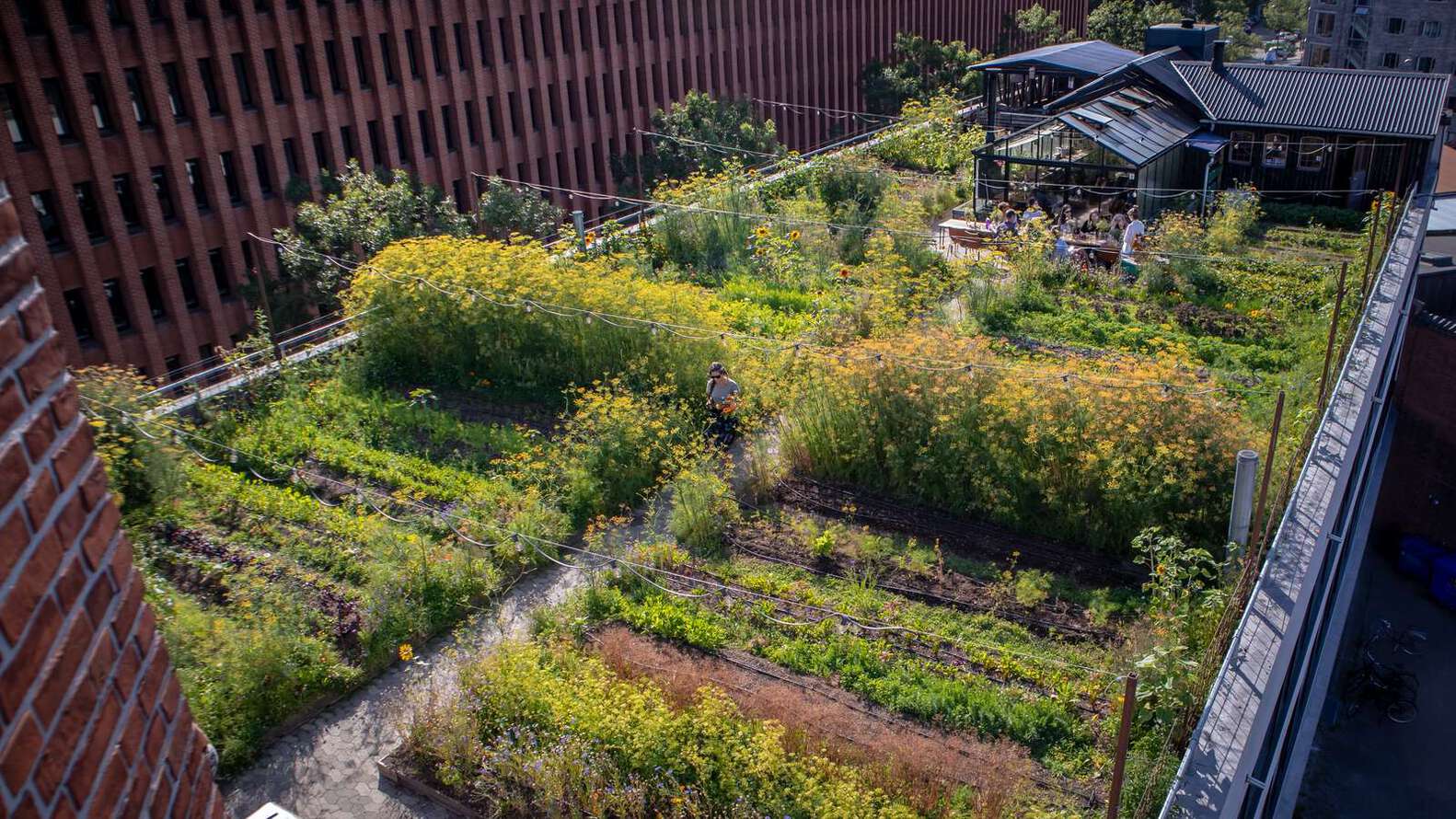
ØsterGRO. Photography: Giuseppe Liverino
Beyond their social role, rooftops are increasingly important environmental infrastructure. Green roofs and blue roof systems are transforming rooftops into active ecological surfaces capable of retaining and slowly releasing rainwater, helping reduce pressure on urban drainage systems increasingly affected by climate change and urban densification. These systems also contribute to reducing heat island effects, improving air quality, increasing biodiversity, and enhancing the thermal efficiency of buildings. At the same time, rooftops create opportunities for renewable energy production, water management, food cultivation, and new forms of public and semi-public space above the city. Rather than remaining residual surfaces dedicated solely to maintenance equipment or technical infrastructure, roofs can become elevated landscapes that reconnect architecture, ecology, and urban life.
Reclaiming these unused rooftop spaces offers the possibility of redefining buildings as multi-layered urban infrastructure rather than isolated architectural objects. Through new public programs, green areas, cultural facilities, leisure spaces, sports infrastructure, housing extensions, offices, or mixed-use interventions, rooftops can become active urban environments that contribute both socially and economically to the city. The integration of multiple uses strengthens the role of architecture as a place of encounter and collective activity. Public-oriented programs increase visitor activity, reinforce economic performance, and simultaneously enhance the value of the surrounding area. In this sense, architecture must respond to multiple scales at once: the scale of the building, the neighborhood, and the broader urban network.
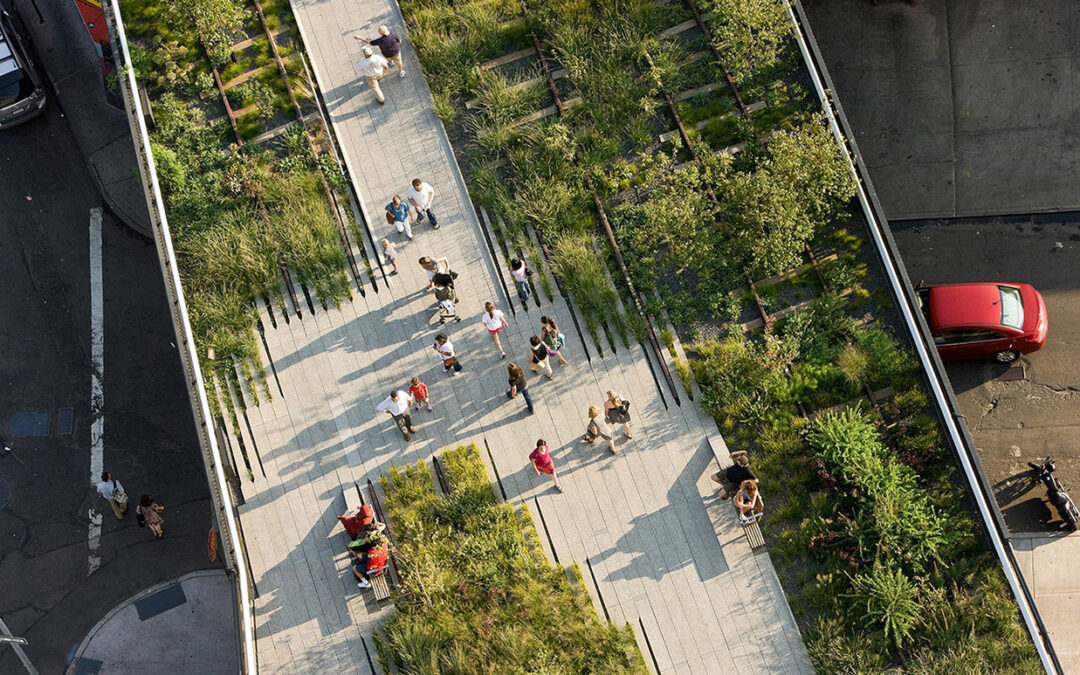
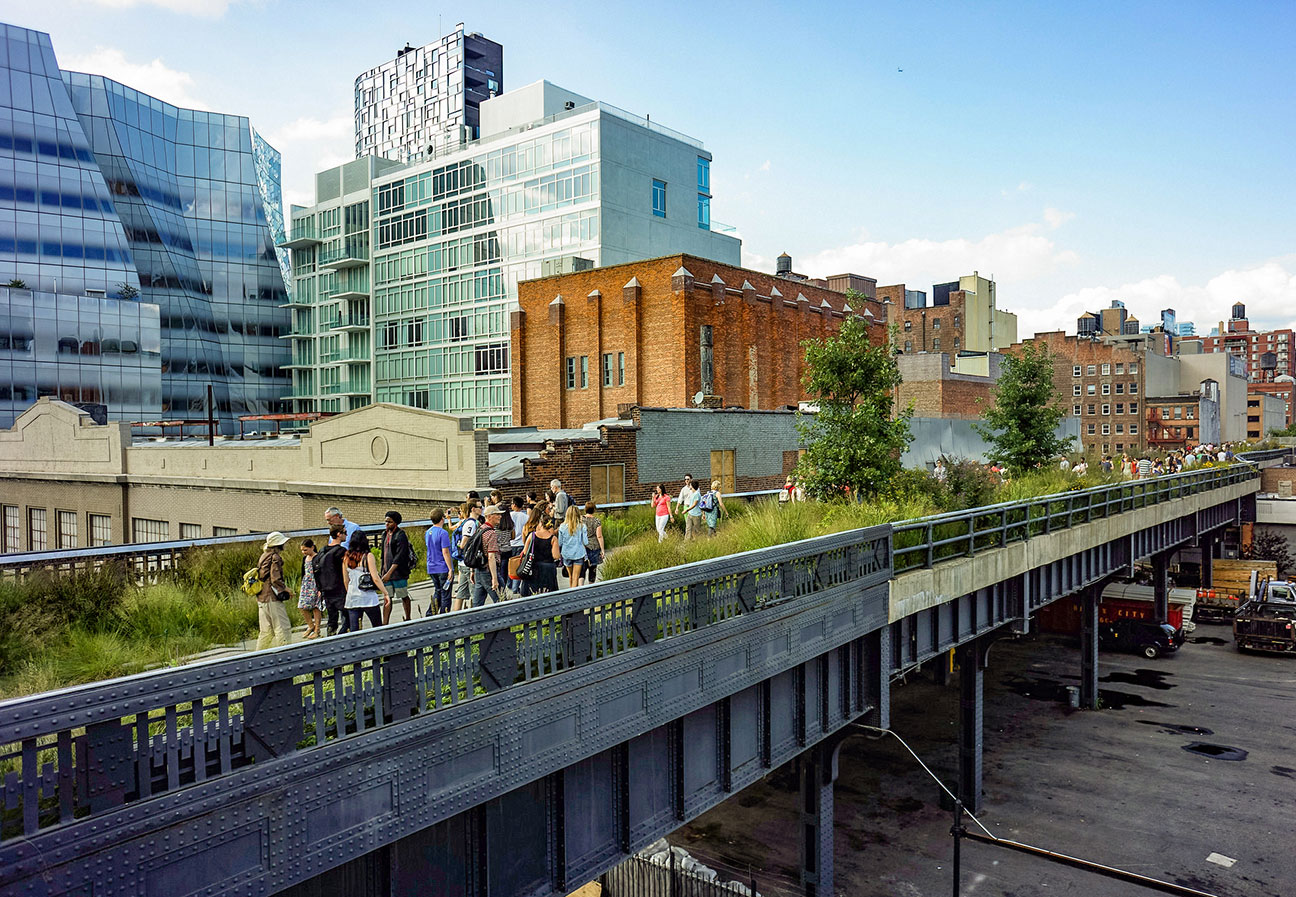
The recovery and activation of underutilized spaces has already demonstrated its urban potential in international precedents. One of the clearest examples is High Line, a former elevated railway infrastructure transformed into a linear public park by Diller Scofidio + Renfro and James Corner Field Operations. Originally abandoned and inaccessible, the structure became an opportunity to introduce public space into a dense urban environment. Its transformation triggered significant urban regeneration, increased land value, stimulated new architectural developments, and improved environmental and social conditions in surrounding neighborhoods.
Public spaces play a particularly important role in this transformation. Recreational and collective areas act as connectors between different programs and users, helping buildings function not only as places of consumption or habitation, but also as civic and social spaces. These interventions improve urban habitability, encourage social integration, and generate new forms of centrality within the city.
The unused rooftops of shopping centers, residential buildings, apartment towers, and private houses represent latent urban territory within contemporary cities. As architects increasingly rethink the relationship between buildings, infrastructure and care for the environment, the fifth façade is emerging as one of the most strategic spaces for the future of architecture and the contemporary city.