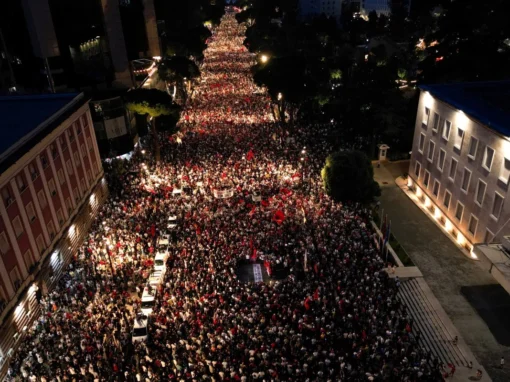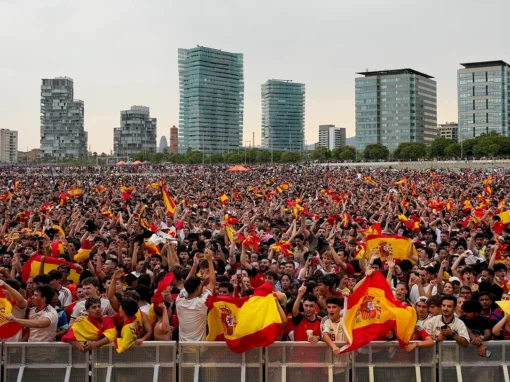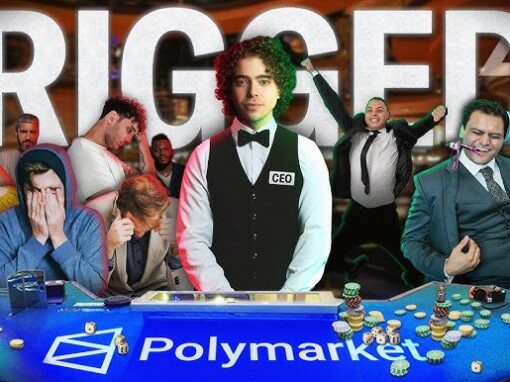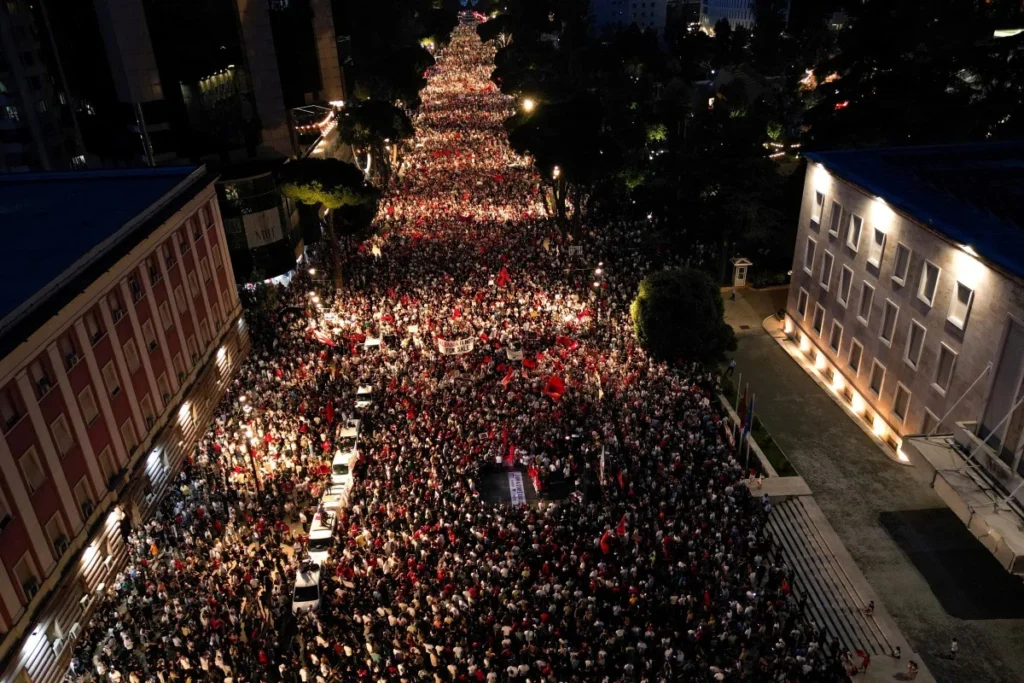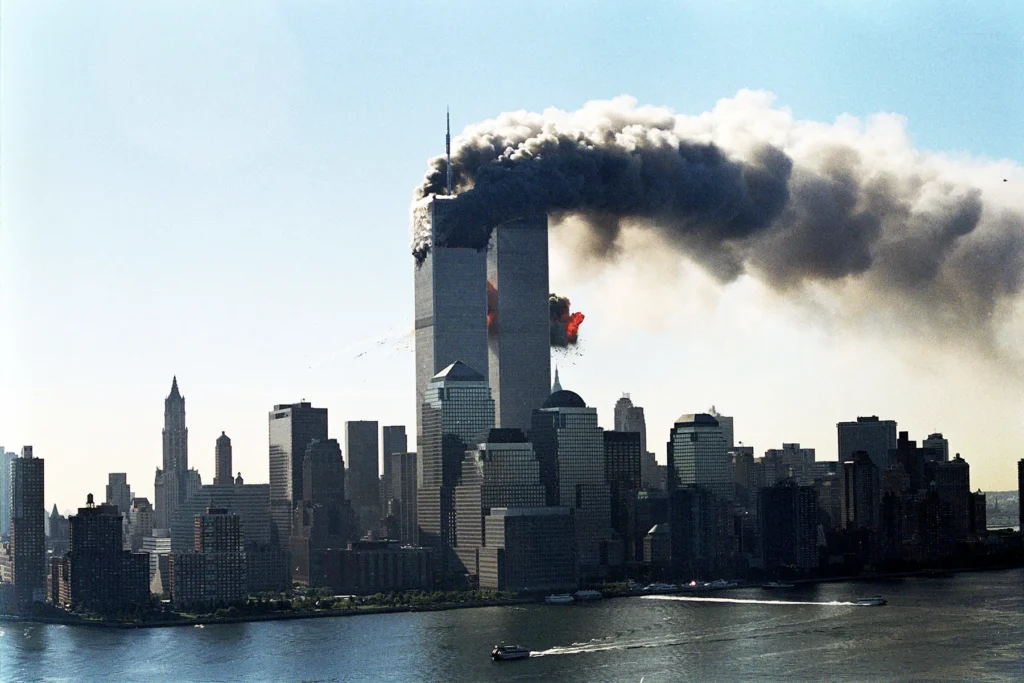
What is increasingly presented as financial innovation is also becoming a new kind of public spectacle—where culture, politics, and even war are absorbed into a single interface designed for participation. There, the world is no longer just observed or analyzed; it is played, as if it were a slot machine of events. People are invited to place bets on outcomes that shape real lives and real histories, turning uncertainty itself into entertainment and transforming global reality into a continuous show of speculation.
It is called prediction markets such as Polymarket, Kalshi, Robinhood, and Crypto.com, and are framed as democratized tools for forecasting real-world events such as elections, ext words spoken by politicians at conferences, economic shifts, even geopolitical crises and whatever you can imagine. In practice, however, they risk reinforcing a system where access to timing, signals, and information asymmetries becomes convertible into profit—an arena where those closest to power, data flows, or insider networks can gain structural advantage. Beneath the language of participation and “open prediction,” there is a more uncomfortable logic: the world becomes a tradable set of outcomes, and human affairs are reduced to fluctuating odds.
This turns participation itself into a kind of detached game. It makes people play with the world, echoing the same cold abstraction used by those who finance and manage conflicts from a distance. In this framing, even cultural decline can be turned into a position, and society becomes something to wager on—on the denigration of culture, on [the] normalization of instability, and, increasingly, on war itself. What emerges is not just a financial toolset, but a behavioral shift: a system where reality is consumed as volatility, and consequence is absorbed into the logic of betting.
This dynamic is not confined to one ideology or political faction, the advantage extends across the spectrum. Anyone embedded in positions of influence—government insiders, connected financiers, or politically aligned networks on either side—can act on knowledge unavailable to the general public. In that sense, these markets risk becoming less about prediction and more about an opportunity with conflict of interest: many users place bets in good faith, while a smaller, better-informed group plays with a structural edge.
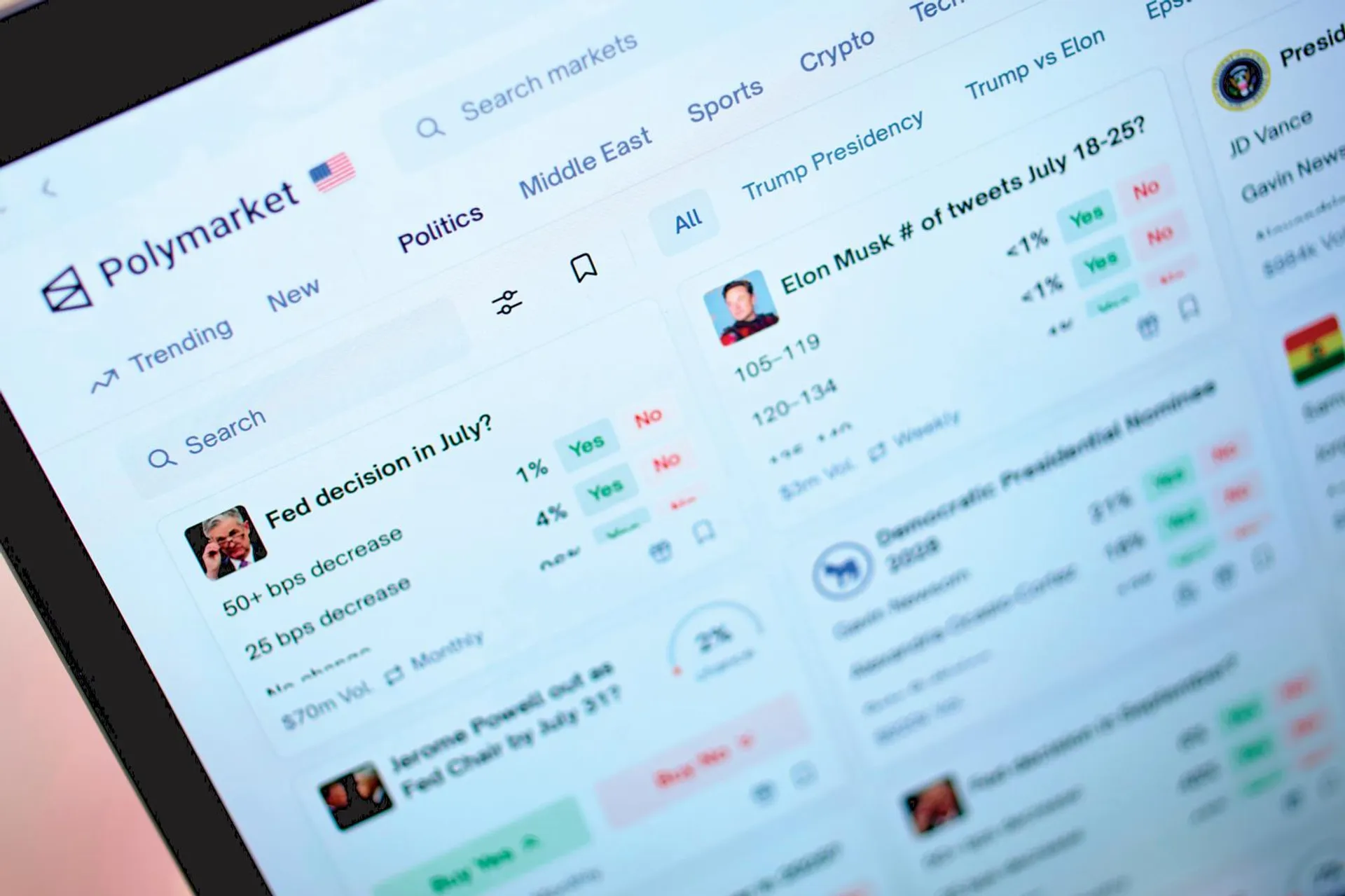
The system resembles a carefully constructed game. At the surface level, it invites mass participation—people wagering money on uncertain outcomes. But beneath that layer, a handful of actors may be shaping or anticipating those outcomes with far greater clarity. The result is a flow of money upward: losses dispersed among the many, gains concentrated among the few who understand how the game is really played.
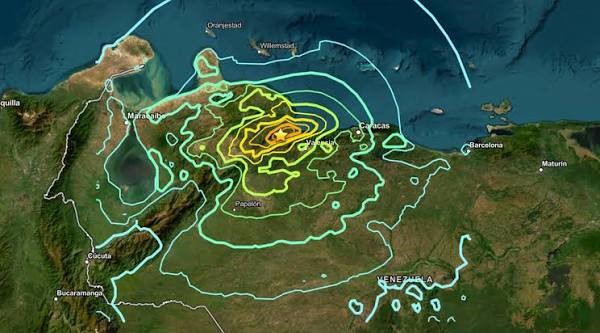
The case of Gannon Ken Van Dyke offers a glimpse into this imbalance. A sergeant major at Fort Bragg, he is under investigation for placing a $33,000 bet on Polymarket predicting the removal of Venezuela’s president by January 31. The bet ultimately yielded more than $400,000, reportedly because he had prior knowledge of an operation targeting Nicolás Maduro in early January 2026.
Yet Van Dyke is not a central figure in this ecosystem, he is, at most, a small and visible participant who may have acted on a limited piece of insider knowledge. His situation draws scrutiny precisely because it is traceable. Far less visible are those with deeper access: individuals closer to executive power, policy decisions, or international negotiations, such as the president and its family. Insider-informed betting is happening on a larger scale. The more influential the actor, the greater the potential to place larger, more decisive wagers with far less risk.
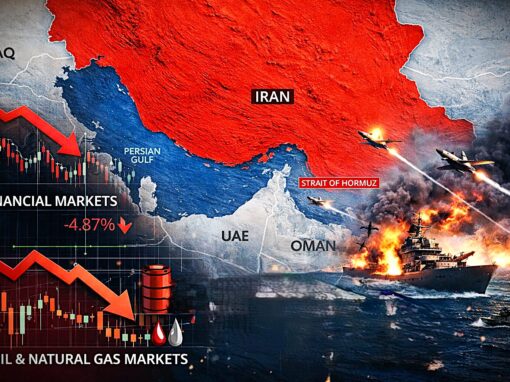
Warnings about these dynamics are already emerging. Paul Krugman has characterized suspected insider trading linked to oil price swings during Middle East tensions as a serious breach of trust, while Robert Reich has raised concerns about politically connected individuals exploiting privileged information. On the geopolitical front, Mohammad Bagher Ghalibaf has even suggested that public narratives, such as diplomatic negotiations, can be used strategically to influence financial and energy markets.
Taken together, these developments point to a system that appears open but operates unevenly. Platforms like Polymarket give the impression that anyone can participate, but participation is not the same as power. Many users are effectively betting within a structure they do not control, while a smaller circle with influence over it may be quietly shaping how the odds are formed and interpreted. In the process, individuals are drawn into a posture of passive complicity, treating the unfolding of the world as spectacle and game, gradually normalizing its reduction into something to be consumed and wagered on. This shift can also redirect attention and energy away from productive work, long-term projects, or meaningful creation, toward compulsive, slot-machine-like engagement with uncertainty. Over time, it risks lowering agency, conditioning behavior around external signals and payouts, and increasing susceptibility to influence by distant, unseen entities that shape the systems themselves.