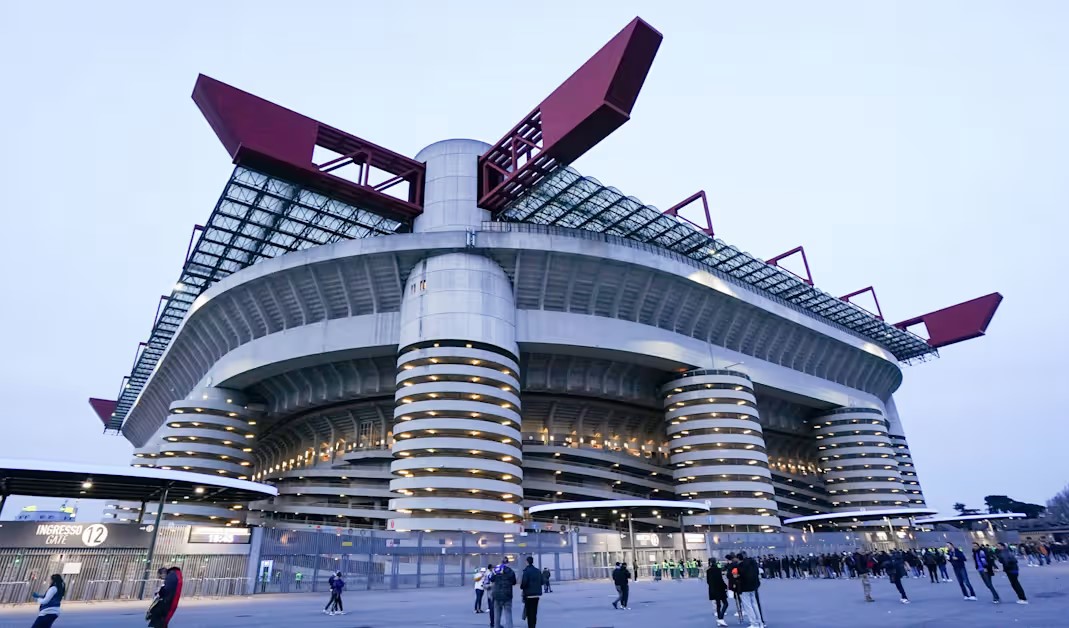
Milan’s famed Giuseppe Meazza Stadium—widely known as San Siro—will remain standing after the Regional Commission for the Cultural Heritage of Lombardy ruled that the venue carries significant cultural value. The stadium, which hosts both AC Milan and Inter Milan, had been slated for demolition to make way for a new arena called “The Cathedral,” a project by the American firm Populous. Following the decision, Populous is continuing its collaboration with Inter on an alternative stadium plan in Milan’s Rozzano district, as reported by La Gazzetta dello Sport.
Construction of Milan’s Giuseppe Meazza Stadium began in 1925 at the initiative of Piero Pirelli, then president of AC Milan. Unlike many publicly funded Italian venues of the time, the stadium was designed as a privately financed, football-only ground without an athletics track. It officially opened in September 1926 and, from 1947 onward, has been shared with Inter Milan.
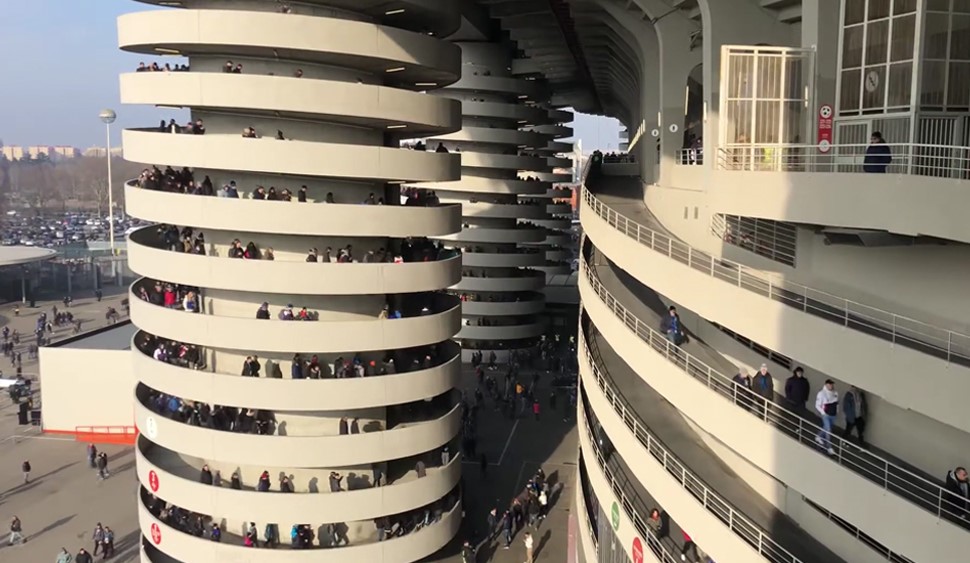
Between 1948 and 1955, architects Armando Ronca and Ferruccio Calzolari led a major expansion to boost capacity. Their design introduced a second tier supported by distinctive towers wrapped in spiral ramps, increasing the stadium’s capacity to around 60,000 seated spectators, with additional standing room.
Ahead of the 1990 FIFA World Cup, the venue underwent another extensive renovation between 1987 and 1990. Architects Giancarlo Ragazzi and Enrico Hoffer, alongside engineer Leo Finzi, added a third tier and a roof structure, bringing capacity to approximately 85,000. The Regional Commission for the Cultural Heritage of Lombardy later identified the second tier and its spiral towers as elements of particular cultural value.
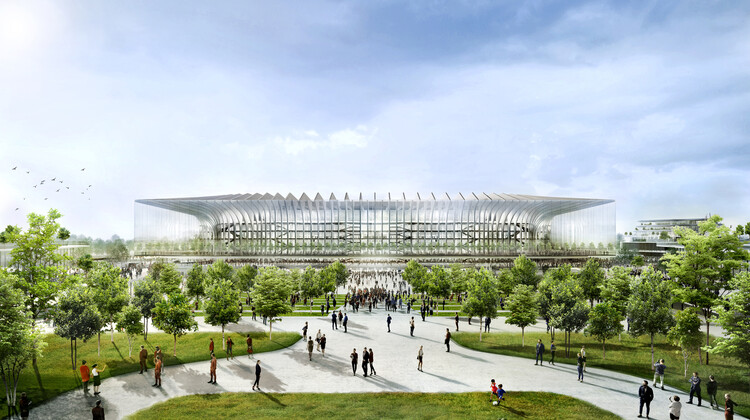
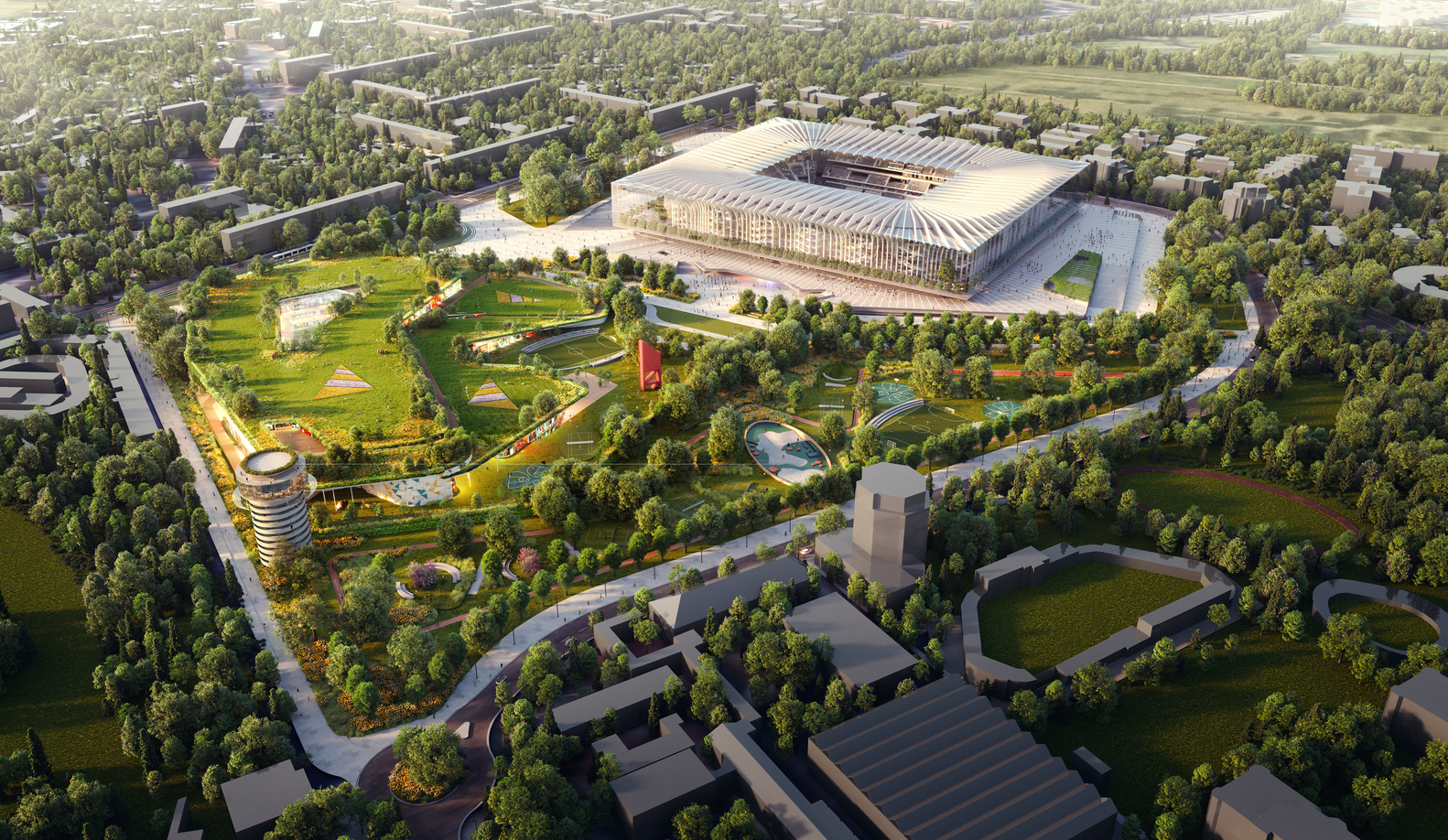
As a result of this designation, plans for a replacement stadium designed by Populous cannot proceed. The proposed 60,000-seat venue—dubbed “The Cathedral”—drew inspiration from Milan landmarks such as the Duomo di Milano and the Galleria Vittorio Emanuele II, and was envisioned with integrated green spaces, noise-reduction strategies, and enhanced safety features.
The situation reflects a broader global trend in which modern architectural landmarks face demolition threats but are increasingly reconsidered. A recent example is Berlin’s Mäusebunker, which was granted protected status after evaluations highlighted both its cultural significance and the environmental benefits of preservation. Retaining and adapting existing structures can significantly reduce carbon emissions by limiting the need for new construction materials and energy use.
Other projects
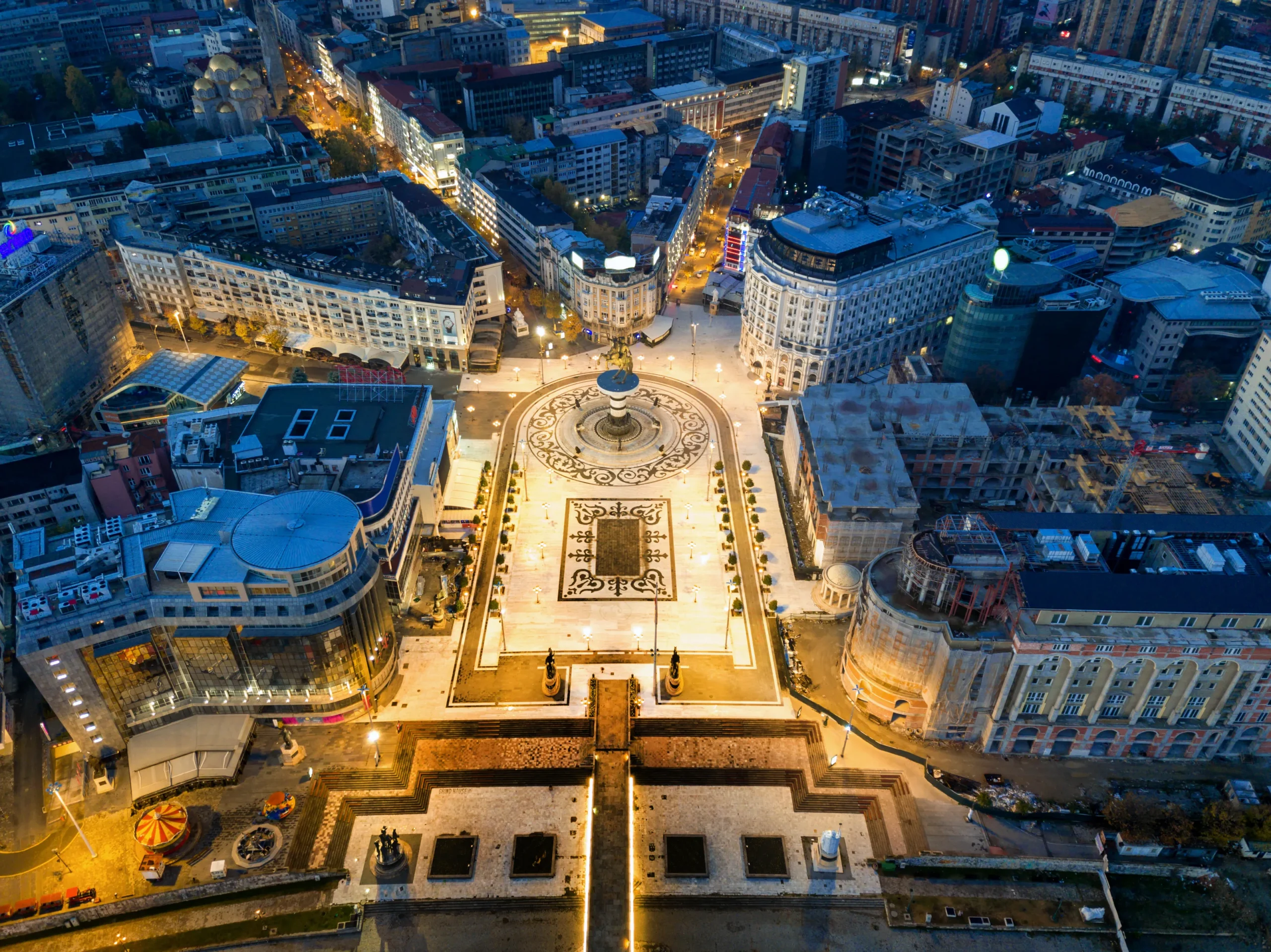
Skopje: The Capital That Rewards Curiosity
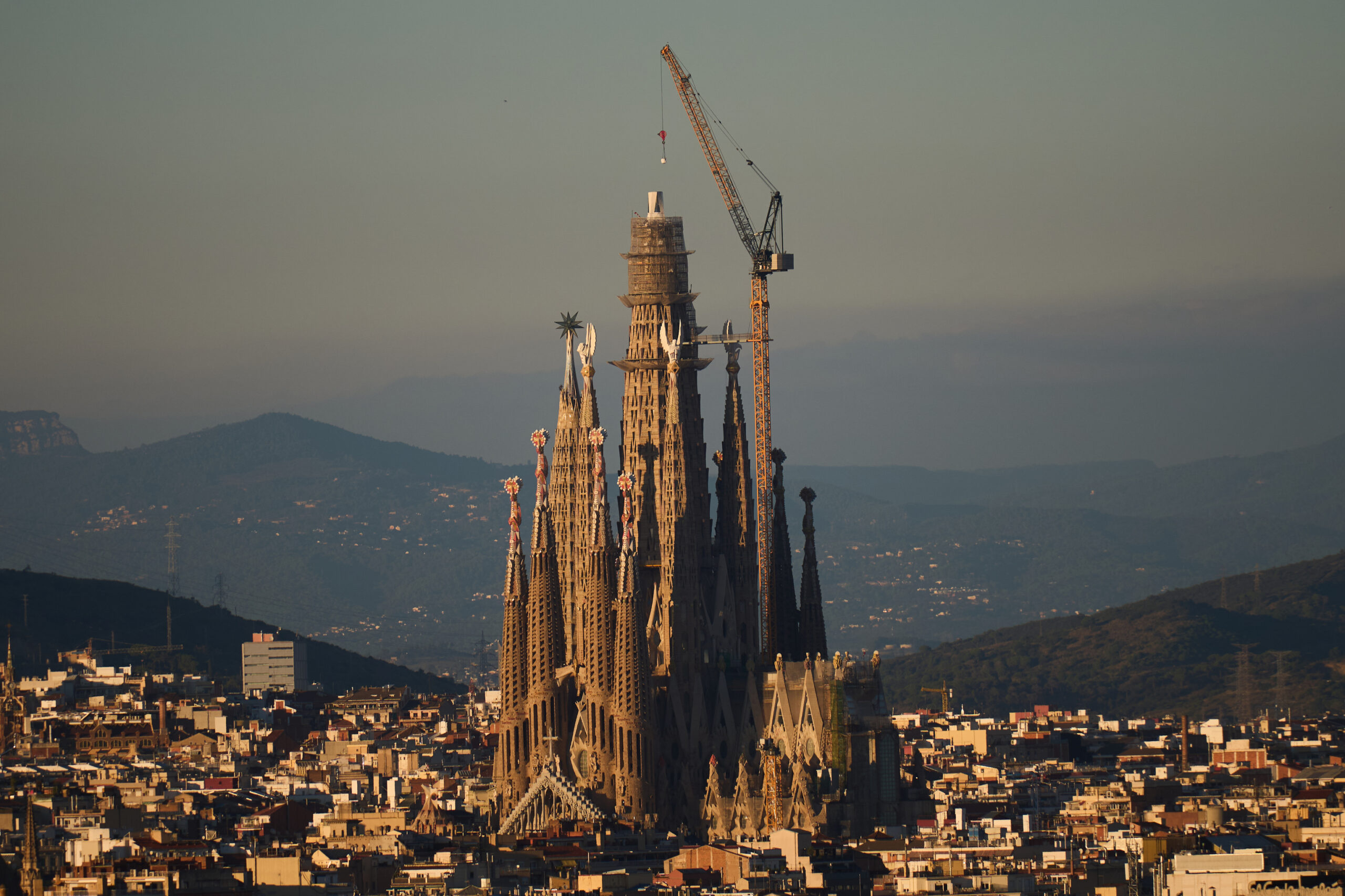
La Sagrada Familia: The Temple Where Architecture Becomes Nature
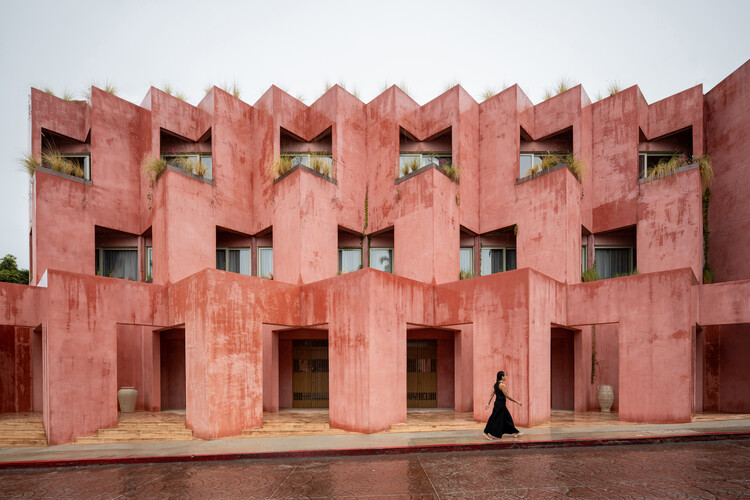
Laiva Plaza: Hospitality Rooted in San José del Cabo’s Fabric
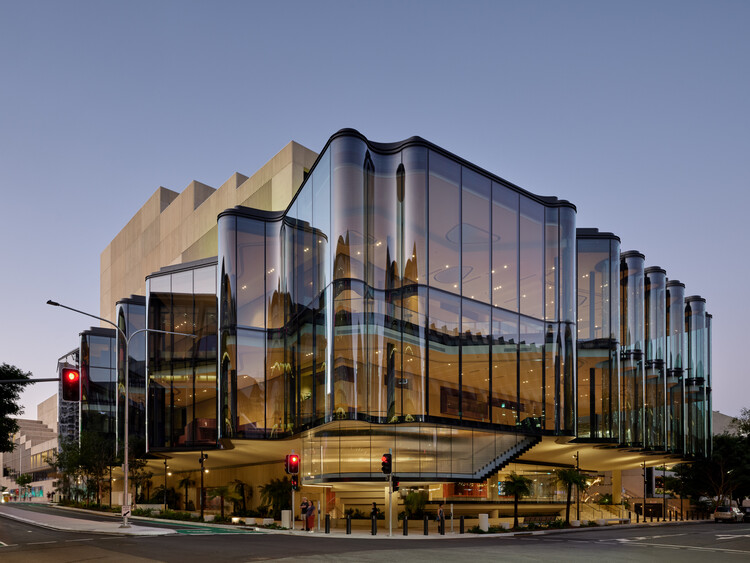
Glasshouse Theatre by Blight Rayner Architecture + Snøhetta
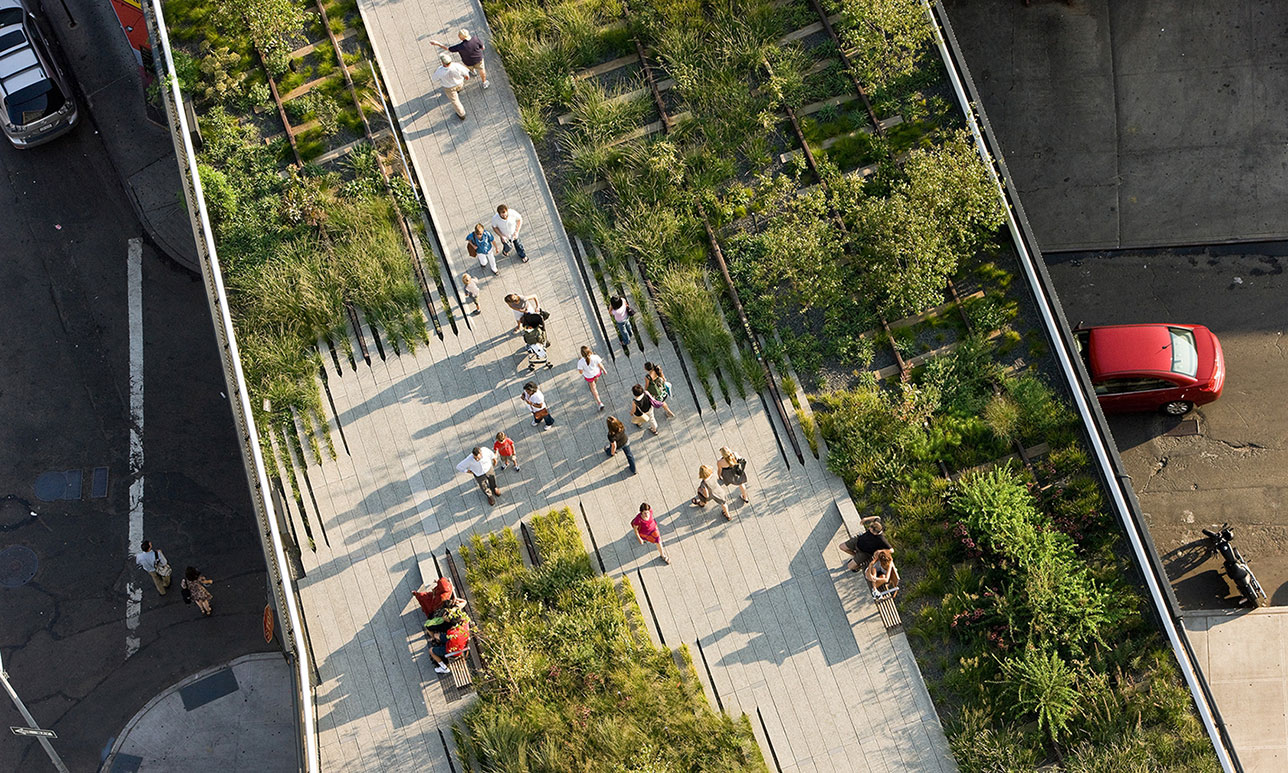
The Fifth Façade: Rethinking Rooftops as Urban Infrastructure
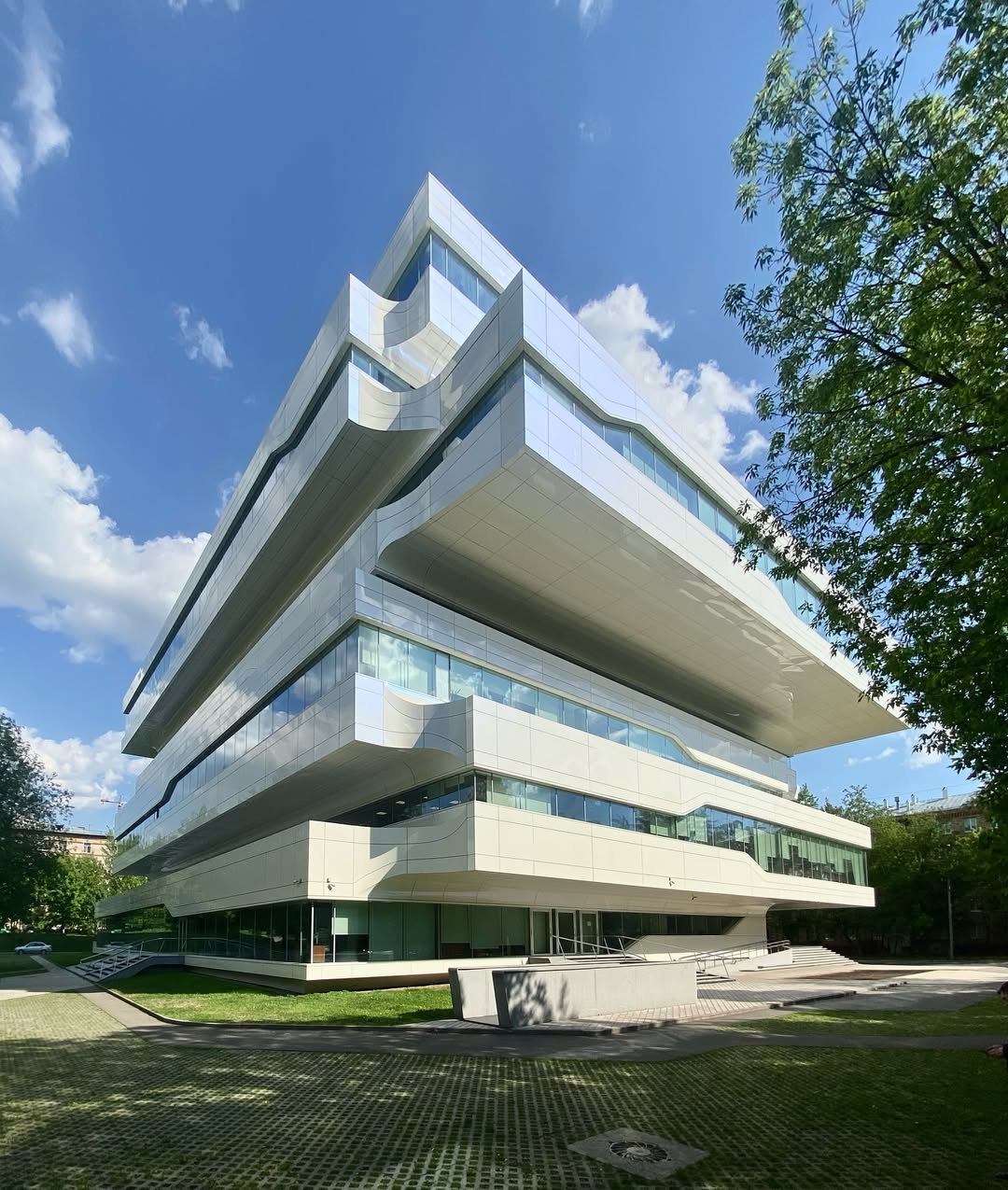
Zaha Hadid’s Dominion Building in Moscow: A Forbidden Glimpse
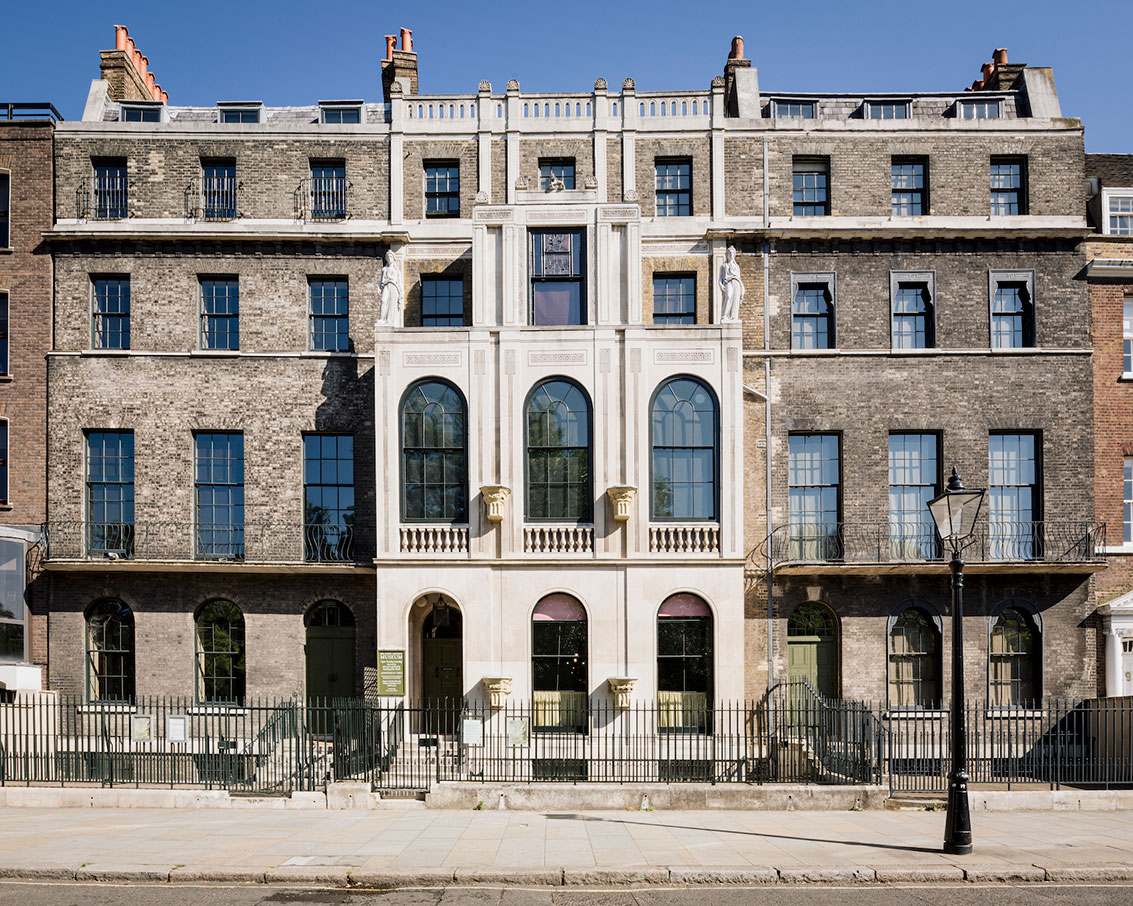
Inside the London House Filled with Ancient Roman, Greek, and Egyptian Art